Supported cities
152
City profiles indexed for Italy.
Southern Europe
Italy's profile combines deep cultural heritage, walkable historic cities, growing renewable build-out, and active climate-adaptation work in heat-exposed regions. Italy is indexed at the country level in Southern Europe, with 152 city profiles linked below.
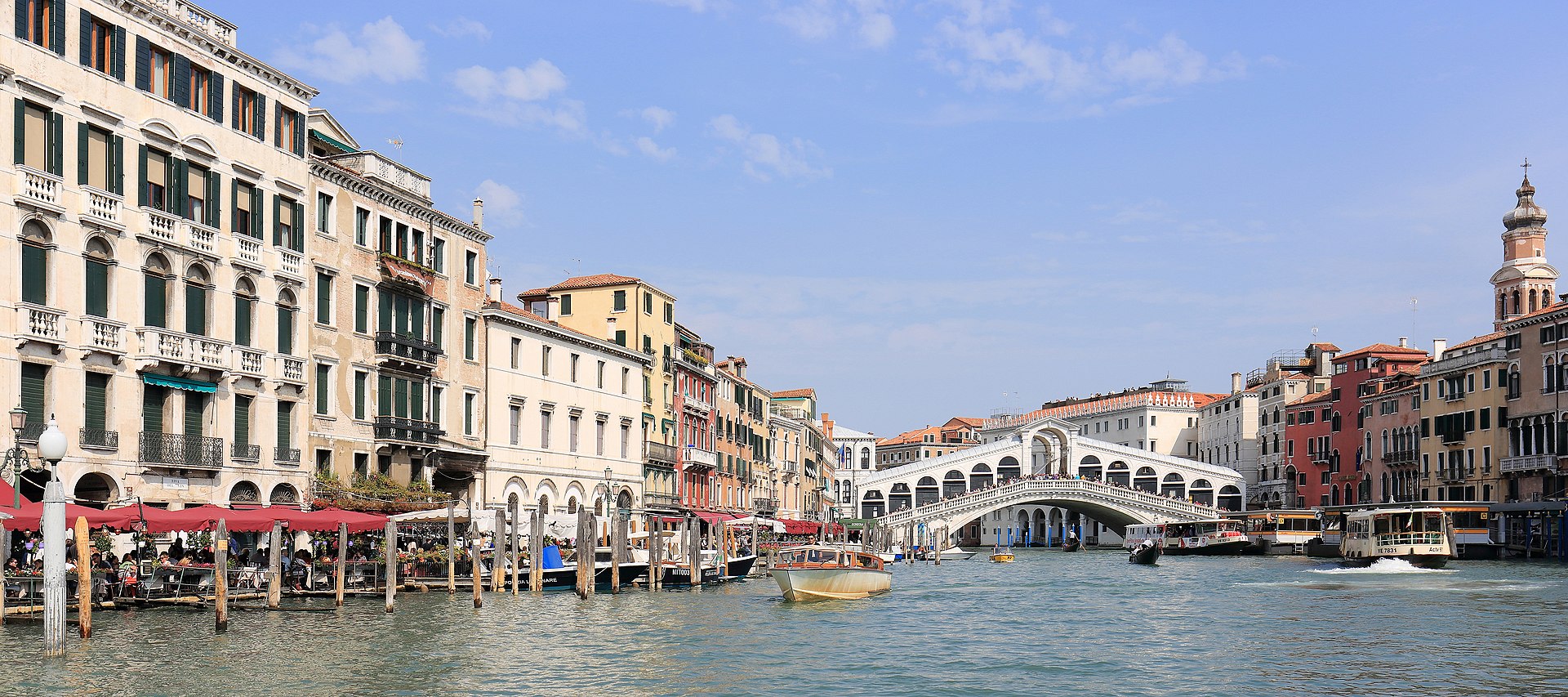
Grand Canal (Venice)
Image credit: Image: Martin Falbisoner / Wikimedia Commons, CC BY-SA 4.0
Additional verified imagery for Italy. Each photo is sourced from Wikimedia Commons with full attribution and a permissive license.

Amalfi Coast
Image credit: Image: Charlie Dave / Wikimedia Commons, CC BY 2.0
Snapshot of structured Italy city intelligence and which verified utility layers are available on this hub.
Supported cities
152
City profiles indexed for Italy.
Emergency profile
Verified
Country emergency contacts attributed to official publishers.
Healthcare profile
Fallback
Verified healthcare data is not available; fallback context is shown.
Transport profile
Fallback
Verified transport data is not available; fallback context is shown.
Related comparisons
6
Curated city-vs-city comparison pages that reference this country.
Related collections
0
Best Cities collections that include at least one city from this country.
Data year
2025
Reference year for the country intelligence dataset.
Last updated
2026-05-16
Most recent platform-side review of the country hub.
Globally leading
Heritage and creative industries shape city identities.
Accelerating
Renewable build-out and EU funds support city-level transition.
Rising priority
Sustained summer heat is becoming central to urban planning.
Country pages group cities into crawlable clusters and give national context without replacing city-level comparisons.
| Metric | Value | Context |
|---|---|---|
| Region | Southern Europe | Used for geographic clustering and regional comparisons. |
| Indexed cities | 152 | Syracuse, Livorno, Brindisi, Matera, Mantua, Olbia, Agrigento, Novara, Arezzo, Piacenza, Belluno, Grosseto, Messina, Foggia, Giugliano in Campania, Cosenza, Caserta, Catanzaro, Treviso, Varese, La Spezia, Cesena, Cremona, Pavia, Asti, Pistoia, Brescia, Modena, Prato, Monza, Sassari, Latina, Vicenza, Forlì, Terni, Reggio Calabria, Salerno, Taranto, Ferrara, Reggio Emilia, Rimini, Pescara, Rome, Milan, Bologna, Florence, Naples, Turin, Genoa, Palermo, Verona, Pisa, Bari, Catania, Padua, Bergamo, Siena, Trieste, Parma, Lecce, Venice, Como, Bolzano, Ravenna, Perugia, Lucca, Cagliari, Trento, Udine, Ancona, L'Aquila, Trapani, Aosta, Andria, Barletta, Alessandria, Gela, Imola, Potenza, Castellammare di Stabia, Carrara, Faenza, Crotone, Savona, Molfetta, Cuneo, Pesaro, Busto Arsizio, Fiumicino, Marsala, Sanremo, Empoli, Biella, Imperia, Merano, Macerata, Gorizia, Camaiore, Vibo Valentia, Milazzo, Verbania, Iglesias, Lodi, Viterbo, Campobasso, Ragusa, Benevento, Teramo, Caltanissetta, Chieti, Alghero, Avellino, Massa, Pordenone, Lecco, Avezzano, Rovigo, Nuoro, Trani, Ascoli Piceno, Rieti, Frosinone, Vercelli, Enna, Altamura, Velletri, Acireale, Oristano, Sondrio, Crema, Fermo, Brixen, Moncalieri, Gallarate, Anzio, Spoleto, Rho, Civitavecchia, Assisi, Acerra, Pozzuoli, Tivoli, Rovereto, Sesto San Giovanni, Carbonia, Aversa, Ivrea, Alcamo, Sassuolo, Alba, Gaeta, Noto |
| Cultural heritage | Globally leading | Heritage and creative industries shape city identities. |
| Energy transition context | Accelerating | Renewable build-out and EU funds support city-level transition. |
| Heat adaptation | Rising priority | Sustained summer heat is becoming central to urban planning. |
Each linked city page includes its own metadata, data table, source block, module links, and any verified utility layers.
152 cities, A–Z

Image credit: Image: Agostino Artnoir Sella / Wikimedia Commons, CC BY-SA 2.0
Italy / Southern Europe
Use the Syracuse profile to compare coastal access, heritage context, and seasonal climate alongside Catania, Palermo, and other Sicilian peers.

Image credit: Image: Luca Aless / Wikimedia Commons, CC BY-SA 3.0
Italy / Southern Europe
Use the Livorno profile to compare port access, coastal context, and cost dimensions alongside Pisa, Florence, and Genoa.

Image credit: Image: LPLT (must be credited) / Wikimedia Commons, CC BY-SA 4.0
Italy / Southern Europe
Use the Brindisi profile to compare airport and ferry access, coastal context, and cost dimensions alongside Bari, Lecce, and Taranto.

Image credit: Image: Holger Uwe Schmitt / Wikimedia Commons, CC BY-SA 4.0
Italy / Southern Europe
Use the Matera profile to compare heritage context, cost, and climate dimensions alongside Bari, Naples, and other southern peers.

Image credit: Image: User:EdoM / Wikimedia Commons, CC BY-SA 3.0
Italy / Southern Europe
Use the Mantua profile to compare heritage context, lake and river access, and cost dimensions alongside Verona, Bologna, and Milan.

Image credit: Image: Kin4 at Italian Wikipedia / Wikimedia Commons, CC BY-SA 3.0
Italy / Southern Europe
Use the Olbia profile to compare airport and ferry access, coastal context, and cost dimensions alongside Cagliari, Sassari, and Genoa.

Image credit: Image: jschoenhofer / Wikimedia Commons, CC BY-SA 2.0
Italy / Southern Europe
Use the Agrigento profile to compare heritage and coastal access, cost, and climate dimensions alongside Palermo, Catania, and other Sicilian peers.

Image credit: Image: Alessandro Vecchi / Wikimedia Commons, CC BY-SA 3.0
Italy / Southern Europe
Use the Novara profile to compare transport access, cost, and economic dimensions alongside Turin, Milan, and Como.

Image credit: Image: Andrewrabbott / Wikimedia Commons, CC BY-SA 4.0
Italy / Southern Europe
Use the Arezzo profile to compare heritage context, cost, and economic dimensions alongside Florence, Siena, and Perugia.

Image credit: Image: Harrie Gielen / Wikimedia Commons, CC BY-SA 3.0
Italy / Southern Europe
Use the Piacenza profile to compare transport access, cost, and economic dimensions alongside Milan, Parma, and Bologna.

Image credit: Image: cinus / Wikimedia Commons, CC BY-SA 3.0
Italy / Southern Europe
Use the Belluno profile to compare alpine access, cost, and seasonal climate dimensions alongside Trento, Verona, and Venice.

Image credit: Image: Giorgio Galeotti / Wikimedia Commons, CC BY-SA 4.0
Italy / Southern Europe
Use the Grosseto profile to compare coastal and park access, cost, and climate dimensions alongside Siena, Florence, and Pisa.
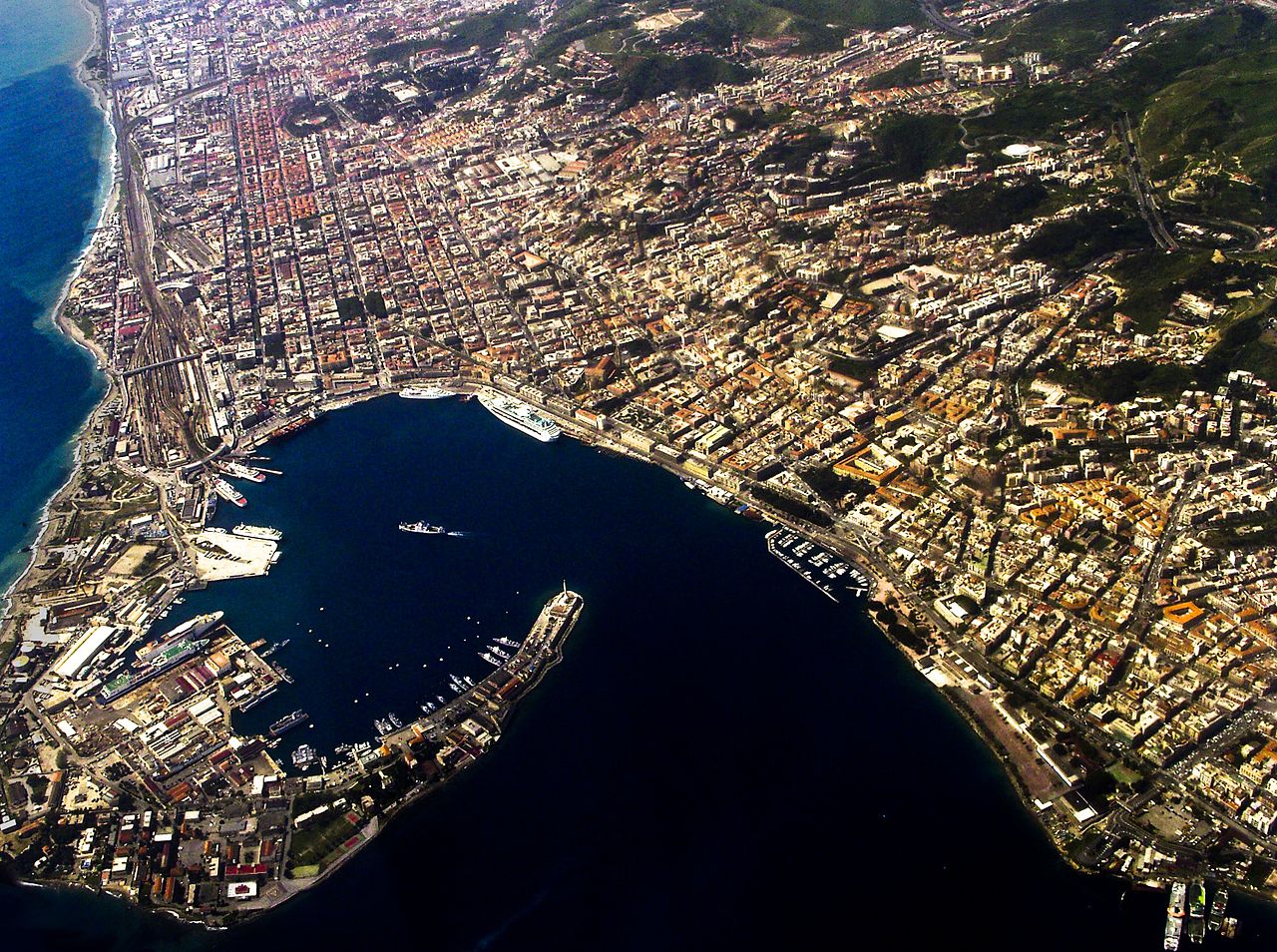
Image credit: Image: Stefano Barillà. Original uploader was StefanoBarillà at it.wikipedia. Later version(s) were uploaded by Neon97 at it.wikipedia. / Wikimedia Commons, CC BY-SA 3.0
Italy / Southern Europe
Use the Messina profile to compare cost framing, port and transport access, and resilience signals alongside Catania, Palermo, and Reggio Calabria.

Image credit: Image: Orledio / Wikimedia Commons, CC BY-SA 4.0
Italy / Southern Europe
Use the Foggia profile to compare cost framing, transport access, and agricultural-economy signals alongside Bari, Taranto, and Lecce.
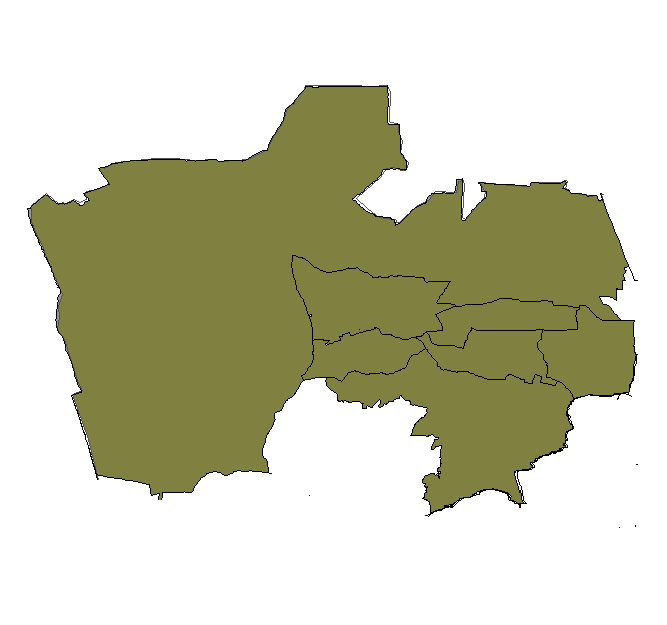
Image credit: Image: Gennaro Jovine / Wikimedia Commons, CC BY-SA 3.0
Italy / Southern Europe
Use the Giugliano in Campania profile to compare cost framing, transport access, and metropolitan-integration signals alongside Naples, Salerno, and Caserta.
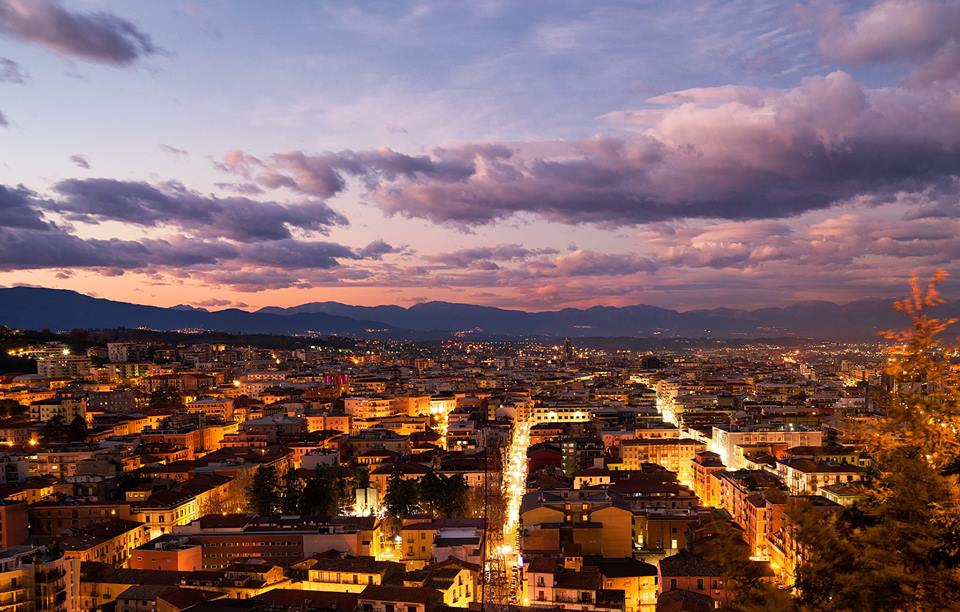
Image credit: Image: Lupo silano 1914 / Wikimedia Commons, CC BY-SA 4.0
Italy / Southern Europe
Use the Cosenza profile to compare cost framing, transport access, and university-economy signals alongside Reggio Calabria, Catania, and other southern Italian metros.

Image credit: Image: Miguel Hermoso Cuesta / Wikimedia Commons, CC BY-SA 4.0
Italy / Southern Europe
Use the Caserta profile to compare cost framing, transport access, and metropolitan-integration signals alongside Naples, Salerno, and other southern Italian metros.

Image credit: Image: Salvatore Migliari / Wikimedia Commons, CC BY 3.0
Italy / Southern Europe
Use the Catanzaro profile to compare cost framing, healthcare framing, and transport access alongside Reggio Calabria, Cosenza, and other southern Italian metros.

Image credit: Image: Didier Descouens / Wikimedia Commons, CC BY-SA 4.0
Italy / Southern Europe
Use the Treviso profile to compare cost framing, transport access, and industrial-economy signals alongside Venice, Padua, and Vicenza.

Image credit: Image: Klaus Nahr from Germany / Wikimedia Commons, CC BY-SA 2.0
Italy / Southern Europe
Use the Varese profile to compare cost framing, transport access, and industrial-economy signals alongside Milan, Como, and Bergamo.

Image credit: Image: William Domenichini / Wikimedia Commons, CC BY-SA 3.0
Italy / Southern Europe
Use the La Spezia profile to compare cost framing, port and transport access, and coastal-resilience signals alongside Genoa, Pisa, and Lucca.

Image credit: Image: Uomodis08 / Wikimedia Commons, CC BY-SA 3.0
Italy / Southern Europe
Use the Cesena profile to compare cost framing, transport access, and flood-resilience signals alongside Forlì, Ravenna, and Rimini.

Image credit: Image: trolvag / Wikimedia Commons, CC BY-SA 3.0
Italy / Southern Europe
Use the Cremona profile to compare cost framing, transport access, and industrial air-quality signals alongside Milan, Brescia, and Parma.

Image credit: Image: Seby Torre / Wikimedia Commons, CC BY-SA 4.0
Italy / Southern Europe
Use the Pavia profile to compare cost framing, healthcare framing, and transport access alongside Milan, Brescia, and Cremona.

Image credit: Image: NicoloRizzetto / Wikimedia Commons, CC BY-SA 4.0
Italy / Southern Europe
Use the Asti profile to compare cost framing, transport access, and agricultural-economy signals alongside Turin, Genoa, and Milan.

Image credit: Image: Sailko / Wikimedia Commons, CC BY 3.0
Italy / Southern Europe
Use the Pistoia profile to compare cost framing, transport access, and industrial-economy signals alongside Florence, Prato, and Lucca.
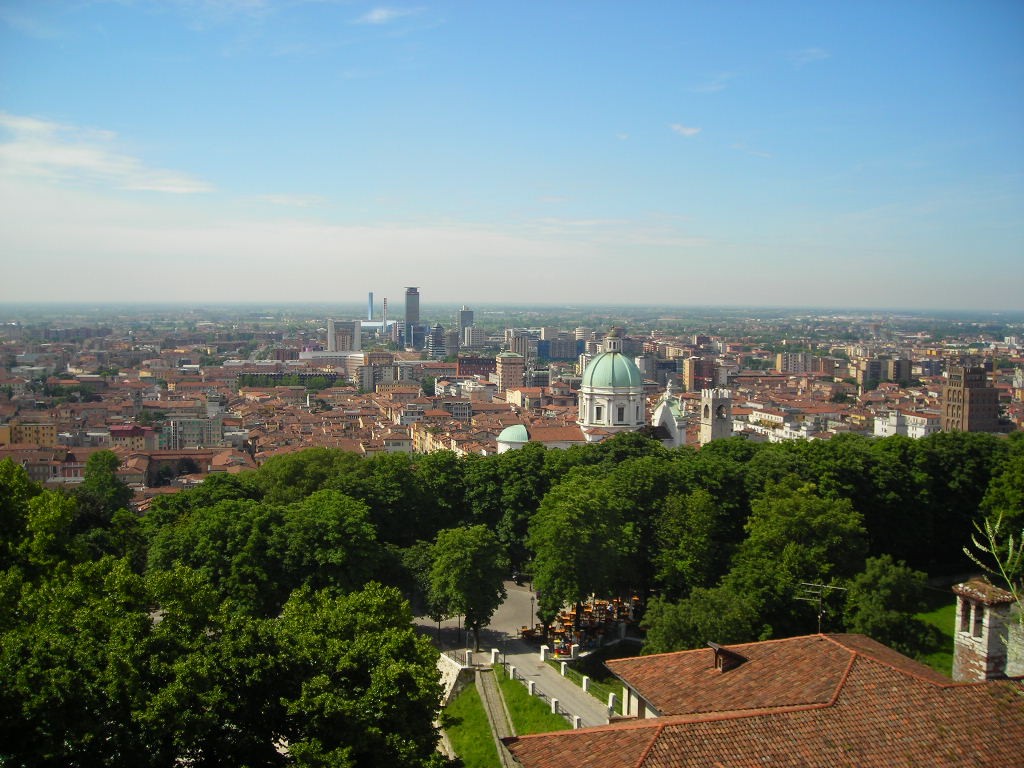
Image credit: Image: Fredericks / Wikimedia Commons, CC BY-SA 3.0
Italy / Southern Europe
Use the Brescia profile to compare cost framing, transport access, and industrial air-quality signals alongside Milan, Bergamo, and Verona.

Image credit: Image: SIG SG 510 / Wikimedia Commons, CC0
Italy / Southern Europe
Use the Modena profile to compare cost framing, transport access, and industrial-economy signals alongside Bologna, Parma, and Reggio Emilia.
Italy / Southern Europe
Use the Prato profile to compare cost framing, transport access, and industrial-economy signals alongside Florence, Pisa, and Lucca.

Image credit: Image: Diego Bonacina / Wikimedia Commons, CC BY-SA 4.0
Italy / Southern Europe
Use the Monza profile to compare cost framing, transport access, and industrial-economy signals alongside Milan, Bergamo, and Como.

Image credit: Image: LPLT / Wikimedia Commons, CC BY-SA 3.0
Italy / Southern Europe
Use the Sassari profile to compare cost framing, transport access, and healthcare framing alongside Cagliari and other island and southern Italian metros.
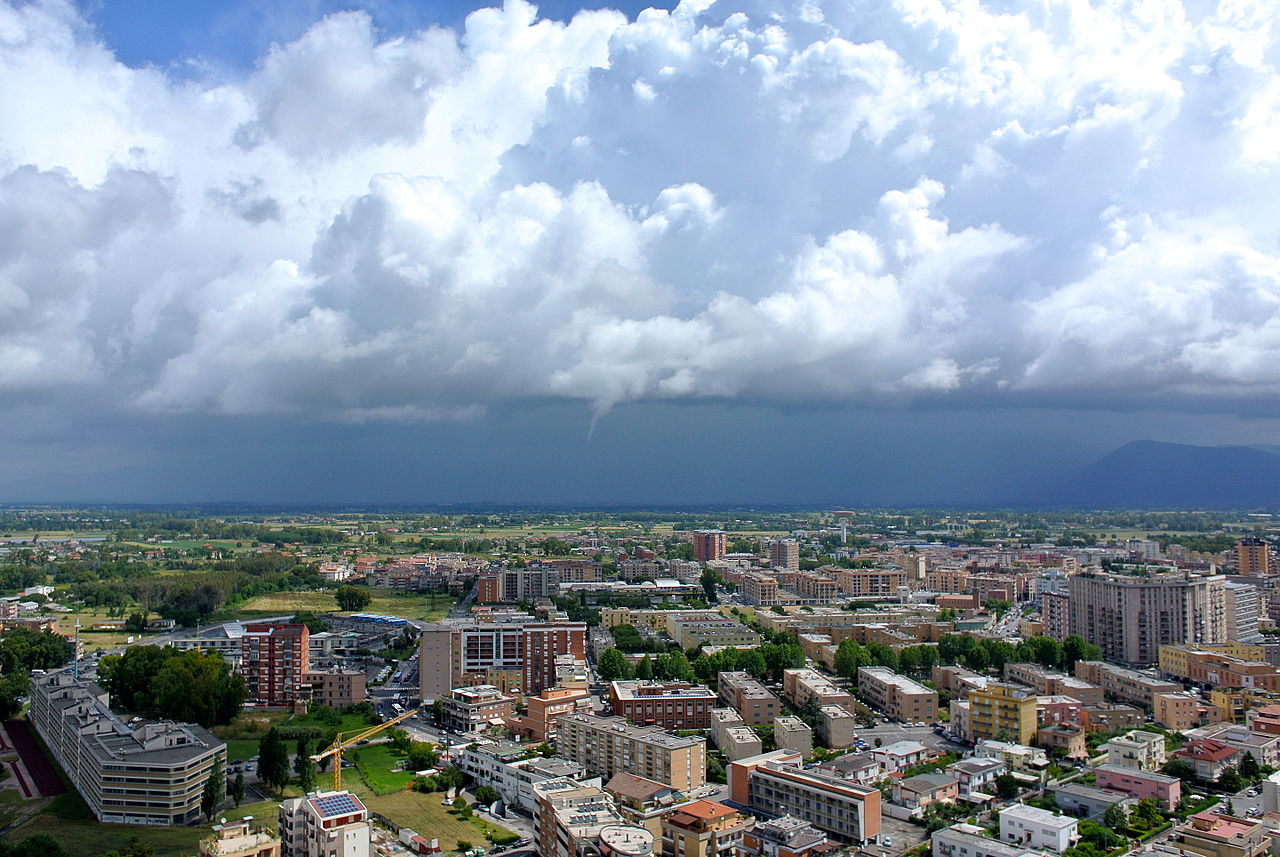
Image credit: Image: Gaetano Rap from Latina, Italia / Wikimedia Commons, CC BY 2.0
Italy / Southern Europe
Use the Latina profile to compare cost framing, transport access, and industrial-economy signals alongside Rome, Naples, and other central Italian metros.
Italy / Southern Europe
Use the Vicenza profile to compare cost framing, transport access, and industrial-economy signals alongside Verona, Padua, and Venice.

Image credit: Image: Lyisia / Wikimedia Commons, CC BY-SA 4.0
Italy / Southern Europe
Use the Forlì profile to compare cost framing, transport access, and flood-resilience signals alongside Bologna, Ravenna, and Rimini.

Image credit: Image: LigaDue / Wikimedia Commons, CC BY-SA 4.0
Italy / Southern Europe
Use the Terni profile to compare cost framing, transport access, and industrial air-quality signals alongside Perugia, Rome, and other central Italian metros.

Image credit: Image: Mimmo Zema / Wikimedia Commons, Public domain
Italy / Southern Europe
Use the Reggio Calabria profile to compare cost framing, transport access, and resilience signals alongside other southern Italian and Mediterranean metros.

Image credit: Image: Giaros / Wikimedia Commons, CC BY-SA 3.0
Italy / Southern Europe
Use the Salerno profile to compare cost framing, port and transport access, and healthcare framing alongside Naples and other southern Italian metros.

Image credit: Image: Livioandronico2013 / Wikimedia Commons, CC BY-SA 3.0
Italy / Southern Europe
Use the Taranto profile to compare cost framing, industrial air-quality signals, and transport access alongside Bari and other southern Italian metros.

Image credit: Image: Massimo Baraldi / Wikimedia Commons, CC BY 2.5 it
Italy / Southern Europe
Use the Ferrara profile to compare cost framing, mobility, and flood-resilience signals alongside Bologna, Parma, and other northern Italian metros.
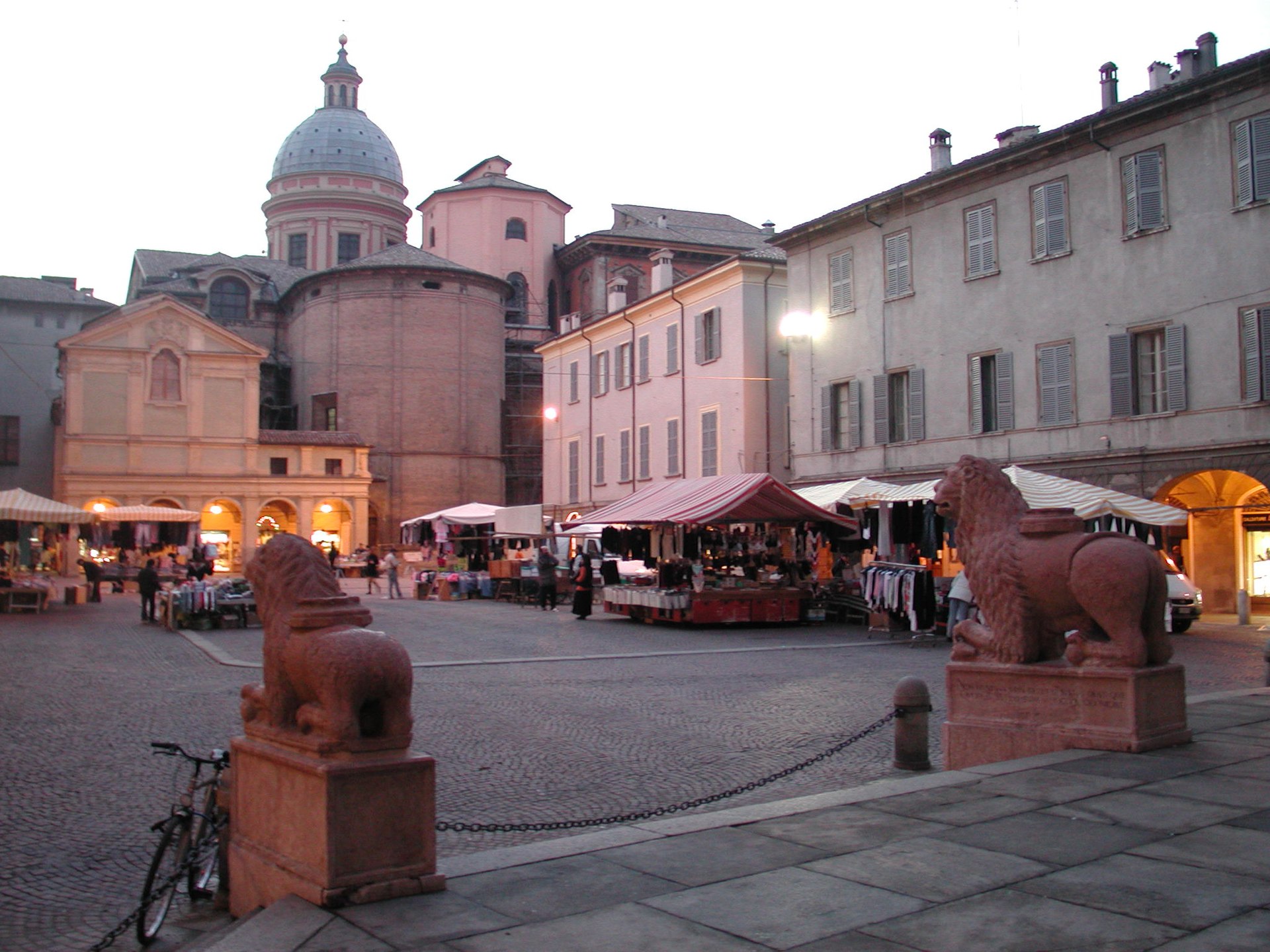
Image credit: Image: Paolo da Reggio / Wikimedia Commons, Public domain
Italy / Southern Europe
Use the Reggio Emilia profile to compare cost framing, transport access, and industrial-economy signals alongside Modena, Parma, and Bologna.

Image credit: Image: Emilio Salvatori / Wikimedia Commons, CC BY-SA 4.0
Italy / Southern Europe
Use the Rimini profile to compare cost framing, transport access, and coastal-resilience signals alongside Bologna and other Adriatic Italian metros.

Image credit: Image: Luca Aless / Wikimedia Commons, CC BY-SA 4.0
Italy / Southern Europe
Use the Pescara profile to compare cost framing, transport access, and coastal-resilience signals alongside Rome and other central Italian metros.

Image credit: Image: Bert Kaufmann from Roermond, Netherlands / Wikimedia Commons, CC BY-SA 2.0
Italy / Southern Europe
Rome is most useful for users weighing cultural depth and walkability against heat, mobility, and infrastructure-renewal needs.

Image credit: Image: Steffen Schmitz / Wikimedia Commons, CC BY-SA 4.0
Italy / Southern Europe
Milan is most useful for users comparing economic depth and design culture against air-quality pressure and rising housing costs.

Image credit: Image: Ввласенко / Wikimedia Commons, CC BY-SA 3.0
Italy / Southern Europe
Use the Bologna profile to compare cost framing, mobility, and quality-of-life signals alongside Milan, Florence, and other northern Italian metros.

Image credit: Image: Wikibusters / Wikimedia Commons, CC BY-SA 4.0
Italy / Southern Europe
Use the Florence profile to compare cost framing, mobility, and heritage-management signals alongside other Italian and Mediterranean metros.

Image credit: Image: IgnisFatuus / Wikimedia Commons, CC BY-SA 2.5
Italy / Southern Europe
Use the Naples profile to compare cost framing, mobility, and resilience signals alongside other Italian and Mediterranean metros.

Image credit: Image: Wikibusters / Wikimedia Commons, CC BY-SA 4.0
Italy / Southern Europe
Use the Turin profile to compare cost framing, transport access, and country-level intelligence alongside Milan, Genoa, and Lyon.

Image credit: Image: patano / Wikimedia Commons, CC BY-SA 3.0
Italy / Southern Europe
Use the Genoa profile to compare cost framing, transport access, and coastal-resilience signals alongside other Mediterranean metros.

Image credit: Image: Xerones / Wikimedia Commons, CC BY 2.0
Italy / Southern Europe
Use the Palermo profile to compare cost framing, transport access, and country-level context alongside Naples and other southern-Italian cities.

Image credit: Image: Guglielmo Giambartolomei / Wikimedia Commons, CC BY-SA 4.0
Italy / Southern Europe
Use the Verona profile to compare cost framing, transport access, and country-level context alongside Milan, Venice, and other northern Italian cities.

Image credit: Image: Luca Aless / Wikimedia Commons, CC BY-SA 4.0
Italy / Southern Europe
Use the Pisa profile to compare cost framing, transport access, and country-level context alongside Florence and other Tuscan peers.

Image credit: Image: Francesco Di Stefano 08 / Wikimedia Commons, CC BY-SA 4.0
Italy / Southern Europe
Use the Bari profile to compare cost framing, transport access, and country-level context alongside Naples and other southern Italian metros.

Image credit: Image: stefan_fotos from Leipzig, Germany / Wikimedia Commons, CC BY-SA 2.0
Italy / Southern Europe
Use the Catania profile to compare cost framing, transport access, and country-level Mediterranean context alongside Palermo and Bari.

Image credit: Image: Didier Descouens / Wikimedia Commons, CC BY-SA 4.0
Italy / Southern Europe
Use the Padua profile to compare cost framing, transport access, and country-level context alongside Verona and Venice region peers.

Image credit: Image: Ввласенко / Wikimedia Commons, CC BY-SA 3.0
Italy / Southern Europe
Use the Bergamo profile to compare cost framing, transport access, and country-level context alongside Milan and Verona.

Image credit: Image: Massimo Catarinella / Wikimedia Commons, CC BY-SA 3.0
Italy / Tuscany
Use this record as a regional planning anchor while deeper source integration is pending. Verify access, transport, and seasonal context with official sources before relying on the page for travel decisions.

Image credit: Image: Nick Savchenko from Kiev, Ukraine / Wikimedia Commons, CC BY-SA 2.0
Italy / Southern Europe
Use this record as a regional planning anchor while deeper source integration is pending. Verify access, transport, and seasonal context with official sources before relying on the page for travel decisions.

Image credit: Image: Citta di Parma / Wikimedia Commons, CC BY-SA 2.0
Italy / Emilia-Romagna
Use this record as a regional planning anchor while deeper source integration is pending. Verify access, transport, and seasonal context with official sources before relying on the page for travel decisions.
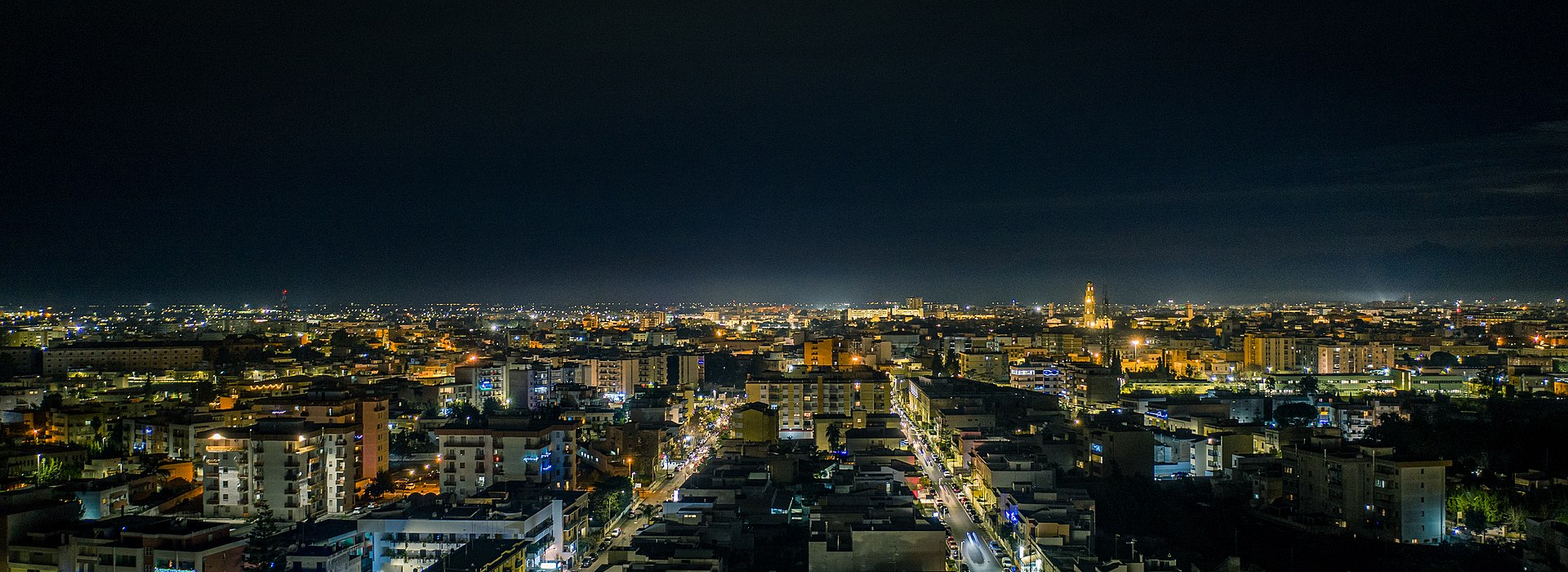
Image credit: Image: Paolo Damiano Dolce / Wikimedia Commons, CC BY-SA 4.0
Italy / Apulia
Use this record as a regional planning anchor while deeper source integration is pending. Verify access, transport, and seasonal context with official sources before relying on the page for travel decisions.

Image credit: Image: Horst-schlaemma / Wikimedia Commons, CC0
Italy / Veneto
Use this record as a planning anchor for local-first research and nearby weekend-rest discovery, verifying access, transport, and seasonal context with official sources.

Image credit: Image: Pxhere / Wikimedia Commons, CC0
Italy / Lombardy
Use this record as a planning anchor for local-first research and nearby weekend-rest discovery, verifying access, transport, and seasonal context with official sources.

Image credit: Image: Luigino / Wikimedia Commons, Public domain
Italy / South Tyrol
Use this record as a planning anchor for local-first research and nearby weekend-rest discovery, verifying access, transport, and seasonal context with official sources.

Image credit: Image: Commonists / Wikimedia Commons, CC BY-SA 4.0
Italy / Emilia-Romagna
Use this record as a planning anchor for local-first research and nearby weekend-rest discovery, verifying access, transport, and seasonal context with official sources.

Image credit: Image: Edward Stephenson / Wikimedia Commons, CC BY 2.0
Italy / Umbria
Use this record as a planning anchor for local-first research and nearby weekend-rest discovery, verifying access, transport, and seasonal context with official sources.

Image credit: Image: Myrabella / Wikimedia Commons, CC BY-SA 3.0
Italy / Tuscany
Use this record as a planning anchor for local-first research and nearby weekend-rest discovery, verifying access, transport, and seasonal context with official sources.

Image credit: Image: cristianocani / Wikimedia Commons, CC BY 2.0
Italy / Sardinia
As a planning anchor, Cagliari rewards local-first research and nearby weekend-rest discovery, with travellers advised to verify ferry, port, airport and seasonal access details through official sources.

Image credit: Image: Haneburger / Wikimedia Commons, Public domain
Italy / Trentino-Alto Adige
Trento serves as a planning anchor for local-first research and nearby weekend-rest discovery, with alpine access, transport and seasonal conditions best confirmed through official sources.

Image credit: Image: Gian77 at Italian Wikipedia / Wikimedia Commons, Public domain
Italy / Friuli-Venezia Giulia
As a planning anchor, Udine suits local-first research and nearby weekend-rest discovery, with transport links and seasonal details worth verifying through official sources.

Image credit: Image: No machine-readable author provided. Giacomus~commonswiki assumed (based on copyright claims). / Wikimedia Commons, CC BY-SA 2.5 it
Italy / Marche
Ancona works as a planning anchor for local-first research and nearby weekend-rest discovery, with port, ferry and seasonal access details best checked through official sources.

Image credit: Image: Ra Boe / Wikimedia Commons, CC BY-SA 2.5
Italy / Abruzzo
L'Aquila serves as a planning anchor for local-first research and nearby weekend-rest discovery, with mountain access, road conditions and seasonal details best verified through official sources.

Image credit: Image: Myke Bryan / Wikimedia Commons, CC BY 2.0
Italy / Sicily
As a planning anchor, Trapani suits local-first research and nearby weekend-rest discovery, with ferry, port and seasonal access details worth confirming through official sources.

Image credit: Image: Tiia Monto / Wikimedia Commons, CC BY-SA 3.0
Italy / Aosta Valley
Aosta works as a planning anchor for local-first research and nearby weekend-rest discovery, with pass routes, tunnels, transport and seasonal access best verified through official sources.
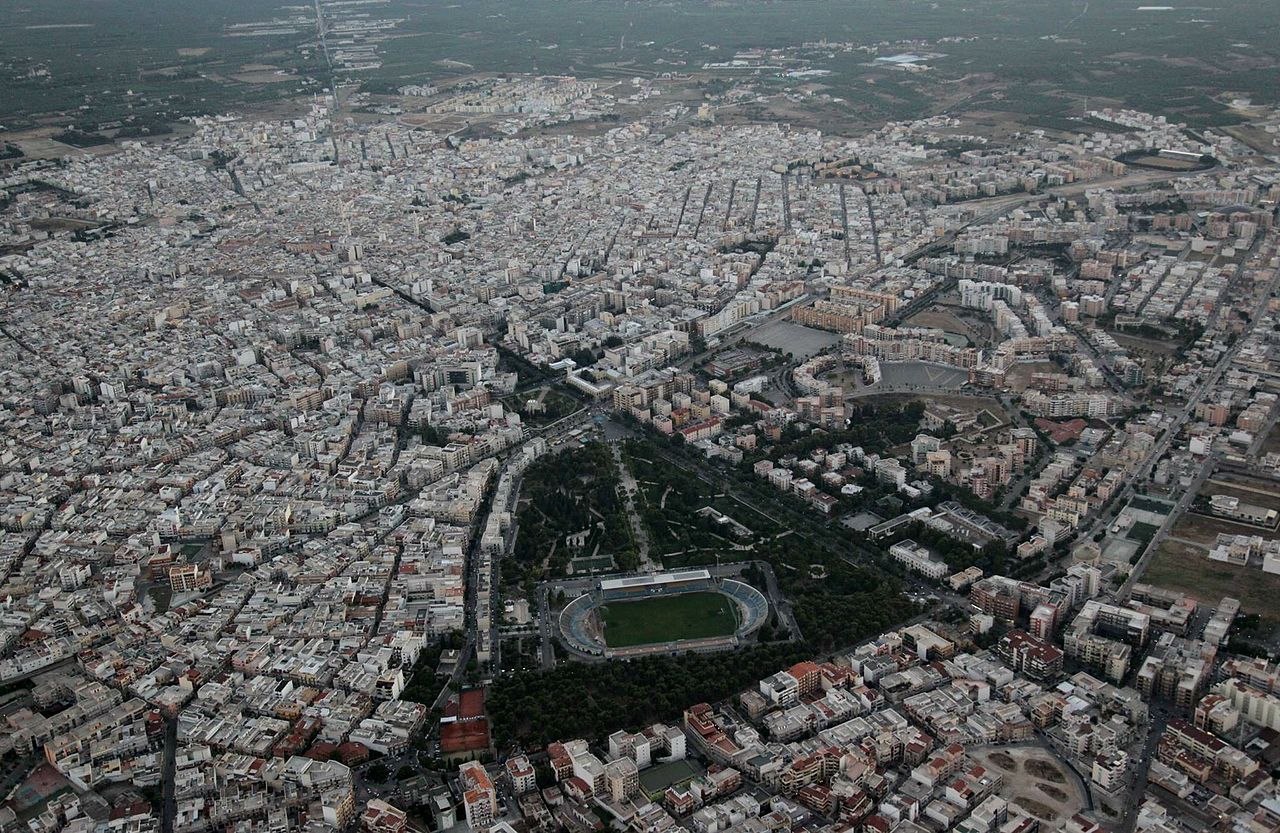
Image credit: Image: Leonemarco97 / Wikimedia Commons, CC BY-SA 4.0
Italy / Southern Europe
Use the Andria profile to compare affordability, livability, and economic indicators against other indexed cities in Italy and across Southern Europe, and to explore nearby nature and weekend destinations.

Image credit: Image: LPLT / Wikimedia Commons, CC BY-SA 3.0
Italy / Southern Europe
Use the Barletta profile to compare affordability, livability, and economic indicators against other indexed cities in Italy and across Southern Europe, and to explore nearby nature and weekend destinations.

Image credit: Image: Lampofinale / Wikimedia Commons, CC BY-SA 4.0
Italy / Southern Europe
Use the Alessandria profile to compare affordability, livability, and economic indicators against other indexed cities in Italy and across Southern Europe, and to explore nearby nature and weekend destinations.

Image credit: Image: Davide Mauro / Wikimedia Commons, CC BY-SA 4.0
Italy / Southern Europe
Use the Gela profile to compare affordability, livability, and economic indicators against other indexed cities in Italy and across Southern Europe, and to explore nearby nature and weekend destinations.

Image credit: Image: Marpol / Wikimedia Commons, Public domain
Italy / Southern Europe
Use the Imola profile to compare affordability, livability, and economic indicators against other indexed cities in Italy and across Southern Europe, and to explore nearby nature and weekend destinations.

Image credit: Image: GAETANA PECCHIA2 / Wikimedia Commons, CC BY-SA 4.0
Italy / Southern Europe
Use the Potenza profile to compare affordability, livability, and economic indicators against other indexed cities in Italy and across Southern Europe, and to explore nearby nature and weekend destinations.

Image credit: Image: Mentnafunangann / Wikimedia Commons, CC BY-SA 3.0
Italy / Southern Europe
Use the Castellammare di Stabia profile to compare affordability, livability, and economic indicators against other indexed cities in Italy and across Southern Europe, and to explore nearby nature and weekend destinations.

Image credit: Image: Sailko / Wikimedia Commons, CC BY-SA 4.0
Italy / Southern Europe
Use the Carrara profile to compare affordability, livability, and economic indicators against other indexed cities in Italy and across Southern Europe, and to explore nearby nature and weekend destinations.
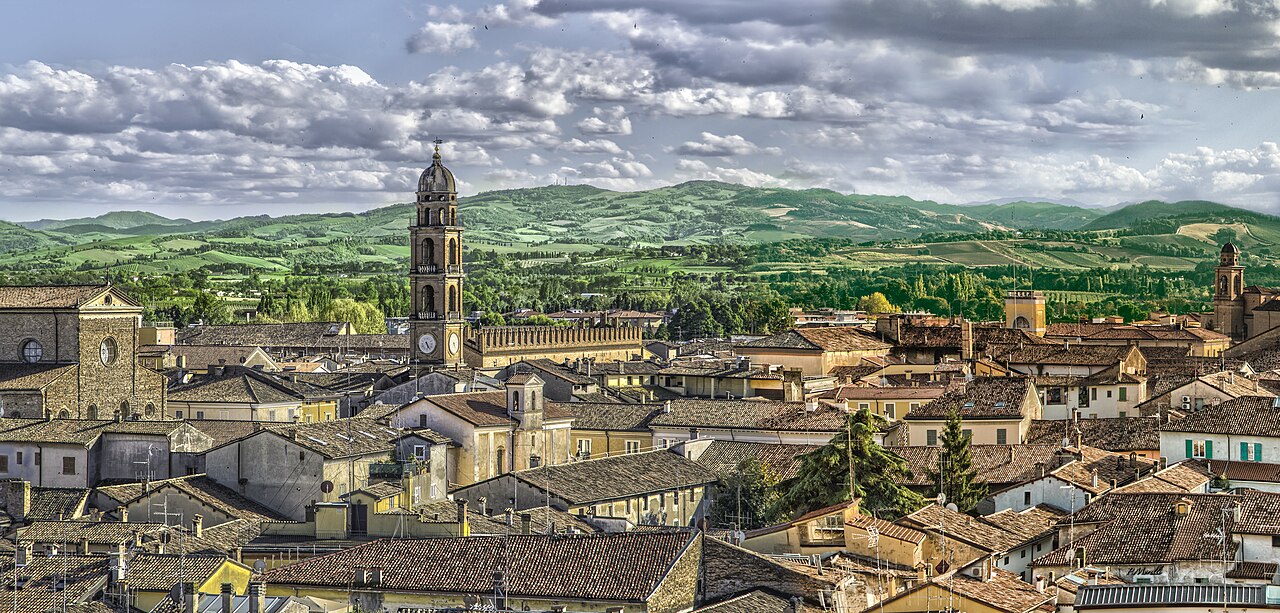
Image credit: Image: Pmorelli1969 / Wikimedia Commons, CC BY-SA 4.0
Italy / Southern Europe
Use the Faenza profile to compare affordability, livability, and economic indicators against other indexed cities in Italy and across Southern Europe, and to explore nearby nature and weekend destinations.

Image credit: Image: Revolweb / Wikimedia Commons, CC BY-SA 2.0
Italy / Southern Europe
Use the Crotone profile to compare affordability, livability, and economic indicators against other indexed cities in Italy and across Southern Europe, and to explore nearby nature and weekend destinations.

Image credit: Image: Roberta Salamone / Wikimedia Commons, CC BY 3.0
Italy / Southern Europe
Use the Savona profile to compare affordability, livability, and economic indicators against other indexed cities in Italy and across Southern Europe, and to explore nearby nature and weekend destinations.

Image credit: Image: Michele Zaccaria / Wikimedia Commons, CC BY-SA 2.0
Italy / Southern Europe
Use the Molfetta profile to compare affordability, livability, and economic indicators against other indexed cities in Italy and across Southern Europe, and to explore nearby nature and weekend destinations.

Image credit: Image: SchiDD / Wikimedia Commons, CC BY-SA 3.0
Italy / Southern Europe
Use the Cuneo profile to compare affordability, livability, and economic indicators against other indexed cities in Italy and across Southern Europe, and to explore nearby nature and weekend destinations.

Image credit: Image: Florian Prischl / Wikimedia Commons, CC BY-SA 3.0
Italy / Southern Europe
Use the Pesaro profile to compare affordability, livability, and economic indicators against other indexed cities in Italy and across Southern Europe, and to explore nearby nature and weekend destinations.

Image credit: Image: Angeloarch / Wikimedia Commons, CC BY-SA 3.0
Italy / Southern Europe
Use the Busto Arsizio profile to compare affordability, livability, and economic indicators against other indexed cities in Italy and across Southern Europe, and to explore nearby nature and weekend destinations.

Image credit: Image: Ra Boe / Wikimedia Commons, CC BY-SA 3.0
Italy / Southern Europe
Use the Fiumicino profile to compare affordability, livability, and economic indicators against other indexed cities in Italy and across Southern Europe, and to explore nearby nature and weekend destinations.
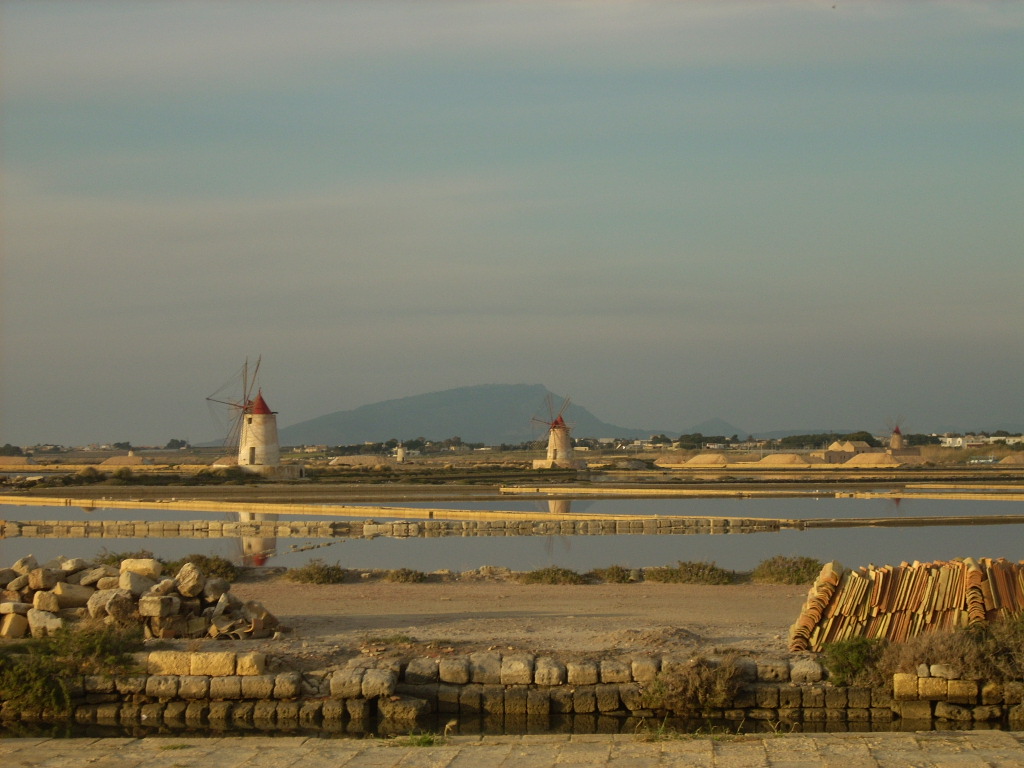
Image credit: Image: Rapidash95 at Italian Wikipedia / Wikimedia Commons, Public domain
Italy / Southern Europe
Use the Marsala profile to compare affordability, livability, and economic indicators against other indexed cities in Italy and across Southern Europe, and to explore nearby nature and weekend destinations.

Image credit: Image: Alistair Cunningham / Wikimedia Commons, CC BY 3.0
Italy / Southern Europe
Use the Sanremo profile to compare affordability, livability, and economic indicators against other indexed cities in Italy and across Southern Europe, and to explore nearby nature and weekend destinations.

Image credit: Image: mockney piers / Wikimedia Commons, CC BY 2.0
Italy / Southern Europe
Use the Empoli profile to compare affordability, livability, and economic indicators against other indexed cities in Italy and across Southern Europe, and to explore nearby nature and weekend destinations.

Image credit: Image: Alessandro Vecchi / Wikimedia Commons, CC BY-SA 3.0
Italy / Southern Europe
Use the Biella profile to compare affordability, livability, and economic indicators against other indexed cities in Italy and across Southern Europe, and to explore nearby nature and weekend destinations.

Image credit: Image: Twice25 e Rinina25 / Wikimedia Commons, CC BY 2.5
Italy / Southern Europe
Use the Imperia profile to compare affordability, livability, and economic indicators against other indexed cities in Italy and across Southern Europe, and to explore nearby nature and weekend destinations.
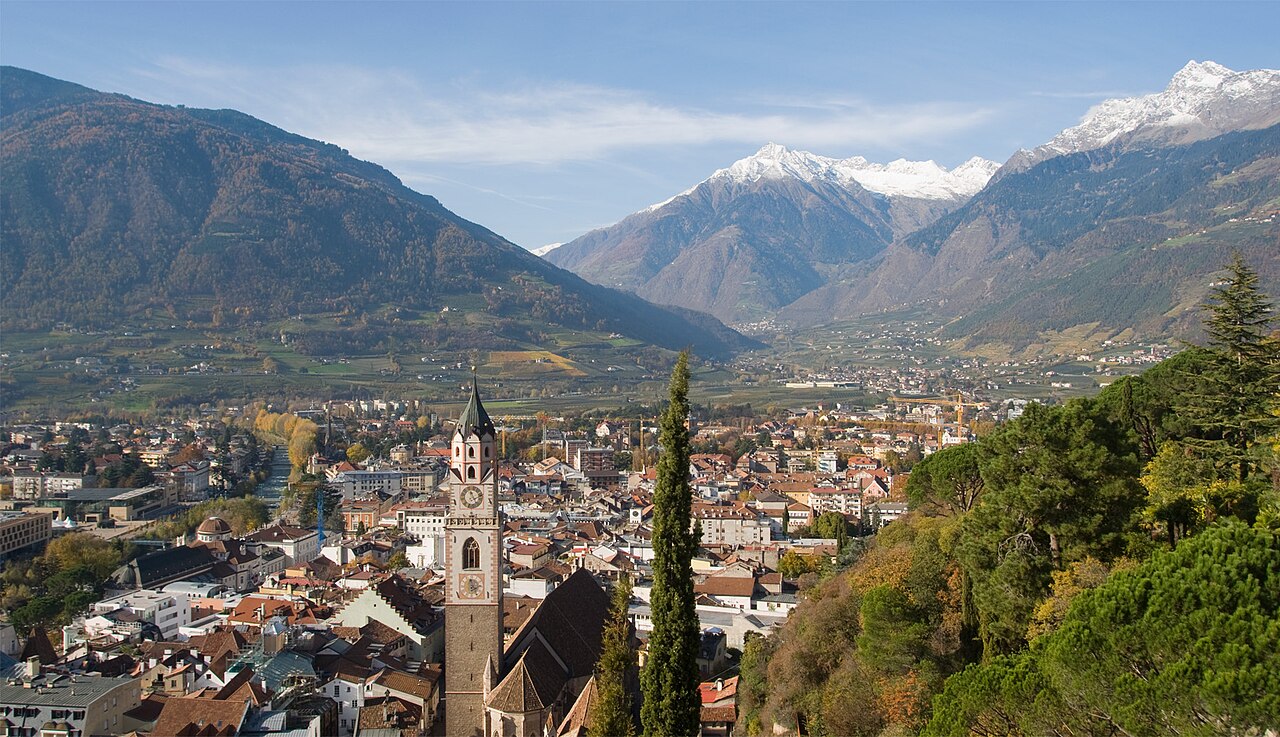
Image credit: Image: Noclador / Wikimedia Commons, Public domain
Italy / Southern Europe
Use the Merano profile to compare affordability, livability, and economic indicators against other indexed cities in Italy and across Southern Europe, and to explore nearby nature and weekend destinations.
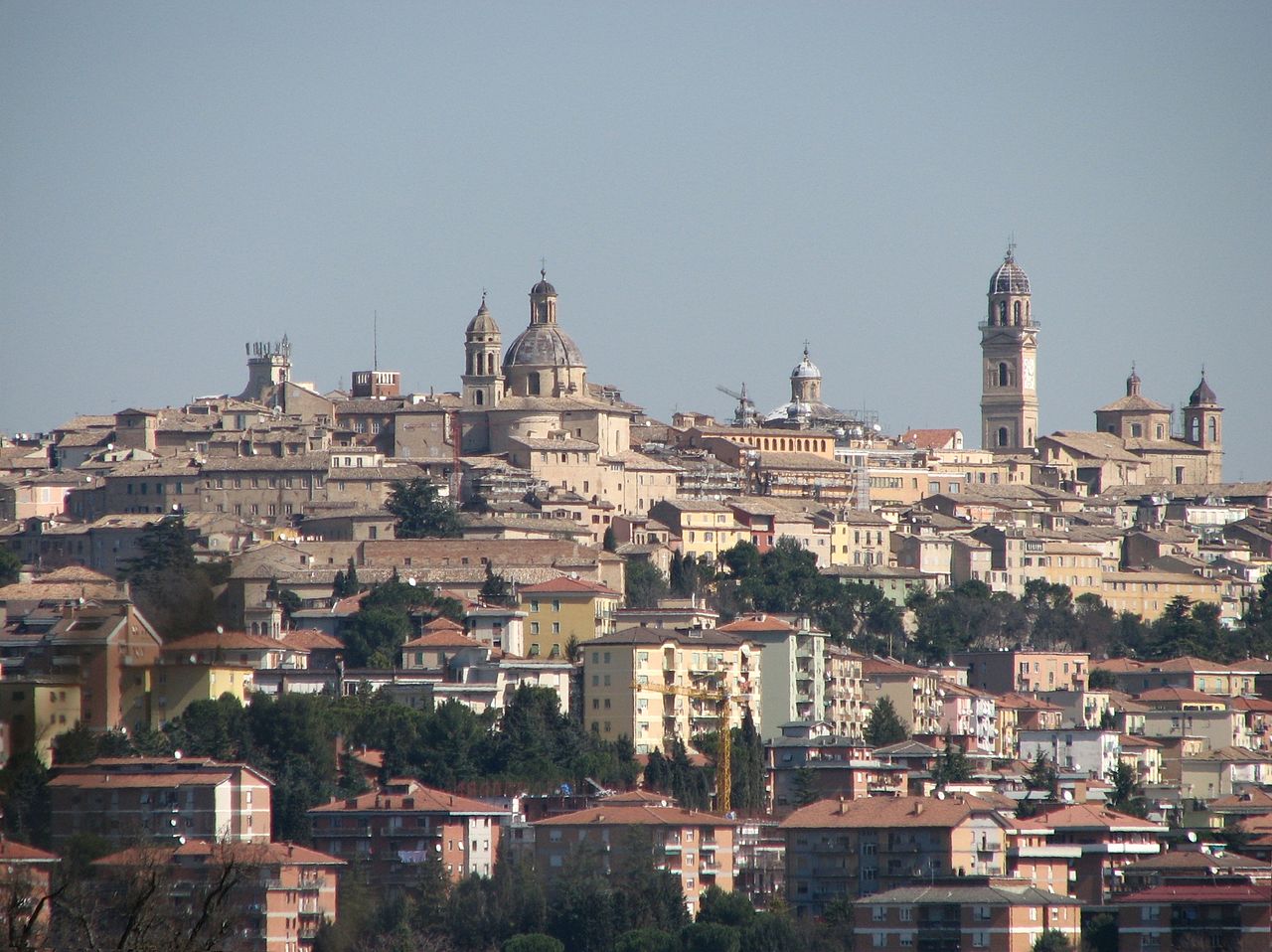
Image credit: Image: Abraham Sobkowski OFM / Wikimedia Commons, CC BY-SA 4.0
Italy / Southern Europe
Use the Macerata profile to compare affordability, livability, and economic indicators against other indexed cities in Italy and across Southern Europe, and to explore nearby nature and weekend destinations.

Image credit: Image: T137 / Wikimedia Commons, CC BY-SA 3.0
Italy / Southern Europe
Use the Gorizia profile to compare affordability, livability, and economic indicators against other indexed cities in Italy and across Southern Europe, and to explore nearby nature and weekend destinations.

Image credit: Image: sailko / Wikimedia Commons, CC BY-SA 3.0
Italy / Southern Europe
Use the Camaiore profile to compare affordability, livability, and economic indicators against other indexed cities in Italy and across Southern Europe, and to explore nearby nature and weekend destinations.

Image credit: Image: M.belsito / Wikimedia Commons, CC BY-SA 3.0
Italy / Southern Europe
Use the Vibo Valentia profile to compare affordability, livability, and economic indicators against other indexed cities in Italy and across Southern Europe, and to explore nearby nature and weekend destinations.

Image credit: Image: Clemensfranz / Wikimedia Commons, CC BY 2.5
Italy / Southern Europe
Use the Milazzo profile to compare affordability, livability, and economic indicators against other indexed cities in Italy and across Southern Europe, and to explore nearby nature and weekend destinations.

Image credit: Image: Carsten Steger / Wikimedia Commons, CC BY-SA 4.0
Italy / Southern Europe
Use the Verbania profile to compare affordability, livability, and economic indicators against other indexed cities in Italy and across Southern Europe, and to explore nearby nature and weekend destinations.

Image credit: Image: Sailko / Wikimedia Commons, CC BY 3.0
Italy / Southern Europe
Use the Iglesias profile to compare affordability, livability, and economic indicators against other indexed cities in Italy and across Southern Europe, and to explore nearby nature and weekend destinations.

Image credit: Image: Gabriele Zuffetti / Wikimedia Commons, CC BY-SA 3.0
Italy / Southern Europe
Use the Lodi profile to compare affordability, livability, and economic indicators against other indexed cities in Italy and across Southern Europe, and to explore nearby nature and weekend destinations.

Image credit: Image: Mac9 / Wikimedia Commons, CC BY-SA 3.0
Italy / Southern Europe
Use the Viterbo profile to compare affordability, livability, and economic indicators against other indexed cities in Italy and across Southern Europe, and to explore nearby nature and weekend destinations.

Image credit: Image: Gianfranco Vitolo from Sarno (Sa), Italia / Wikimedia Commons, CC BY-SA 2.0
Italy / Southern Europe
Use the Campobasso profile to compare affordability, livability, and economic indicators against other indexed cities in Italy and across Southern Europe, and to explore nearby nature and weekend destinations.

Image credit: Image: Chris Down / Wikimedia Commons, CC BY 4.0
Italy / Southern Europe
Use the Ragusa profile to compare affordability, livability, and economic indicators against other indexed cities in Italy and across Southern Europe, and to explore nearby nature and weekend destinations.

Image credit: Image: Dэя-Бøяg / Wikimedia Commons, CC BY-SA 3.0
Italy / Southern Europe
Use the Benevento profile to compare affordability, livability, and economic indicators against other indexed cities in Italy and across Southern Europe, and to explore nearby nature and weekend destinations.

Image credit: Image: Interminatispazi / Wikimedia Commons, CC BY-SA 4.0
Italy / Southern Europe
Use the Teramo profile to compare affordability, livability, and economic indicators against other indexed cities in Italy and across Southern Europe, and to explore nearby nature and weekend destinations.
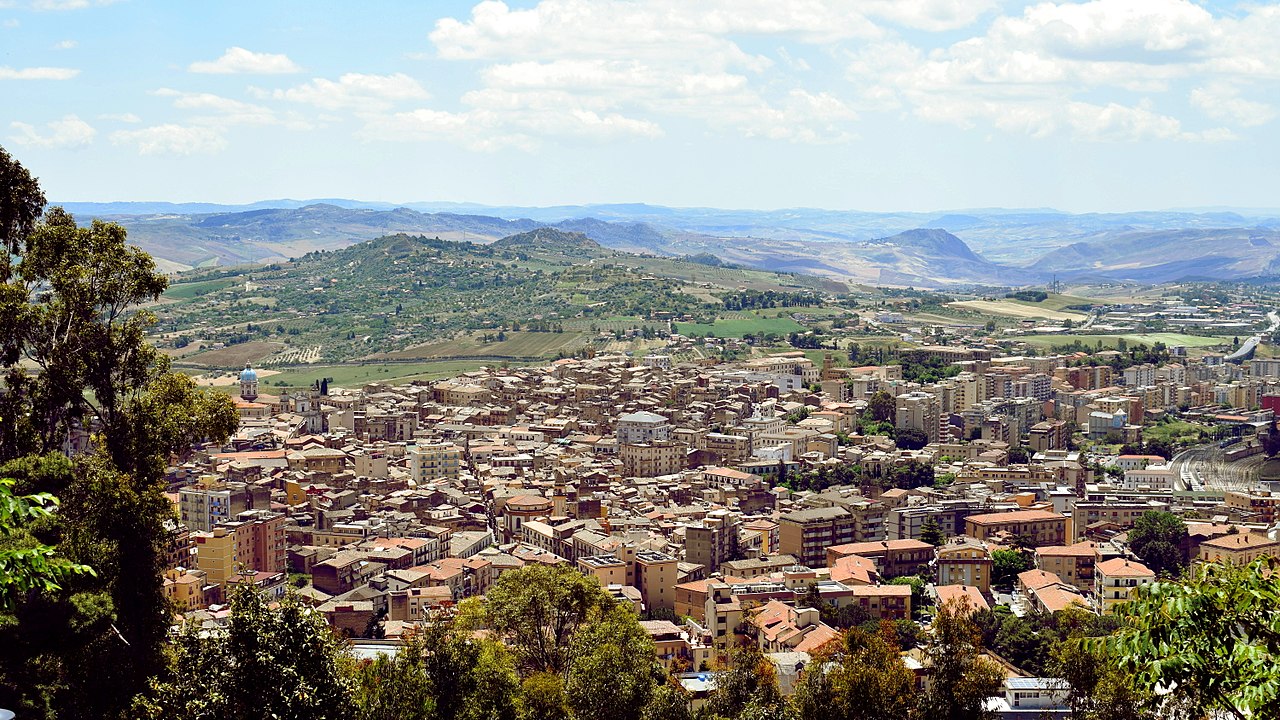
Image credit: Image: AlessandroAM / Wikimedia Commons, CC BY-SA 4.0
Italy / Southern Europe
Use the Caltanissetta profile to compare affordability, livability, and economic indicators against other indexed cities in Italy and across Southern Europe, and to explore nearby nature and weekend destinations.

Image credit: Image: Ra Boe / Wikimedia Commons, CC BY-SA 3.0
Italy / Southern Europe
Use the Chieti profile to compare affordability, livability, and economic indicators against other indexed cities in Italy and across Southern Europe, and to explore nearby nature and weekend destinations.

Image credit: Image: Gianni Careddu / Wikimedia Commons, CC BY-SA 4.0
Italy / Southern Europe
Use the Alghero profile to compare affordability, livability, and economic indicators against other indexed cities in Italy and across Southern Europe, and to explore nearby nature and weekend destinations.

Image credit: Image: Archivio di Stato di Avellino / Wikimedia Commons, CC BY-SA 4.0
Italy / Southern Europe
Use the Avellino profile to compare affordability, livability, and economic indicators against other indexed cities in Italy and across Southern Europe, and to explore nearby nature and weekend destinations.

Image credit: Image: Sgado walter / Wikimedia Commons, CC BY-SA 4.0
Italy / Southern Europe
Use the Massa profile to compare affordability, livability, and economic indicators against other indexed cities in Italy and across Southern Europe, and to explore nearby nature and weekend destinations.

Image credit: Image: U.S. Department / Wikimedia Commons, Public Domain
Italy / Southern Europe
Use the Pordenone profile to compare affordability, livability, and economic indicators against other indexed cities in Italy and across Southern Europe, and to explore nearby nature and weekend destinations.

Image credit: Image: Andrea14.sala / Wikimedia Commons, CC BY-SA 4.0
Italy / Southern Europe
Use the Lecco profile to compare affordability, livability, and economic indicators against other indexed cities in Italy and across Southern Europe, and to explore nearby nature and weekend destinations.

Image credit: Image: Rudy Massaro / Wikimedia Commons, CC BY-SA 4.0
Italy / Southern Europe
Use the Avezzano profile to compare affordability, livability, and economic indicators against other indexed cities in Italy and across Southern Europe, and to explore nearby nature and weekend destinations.
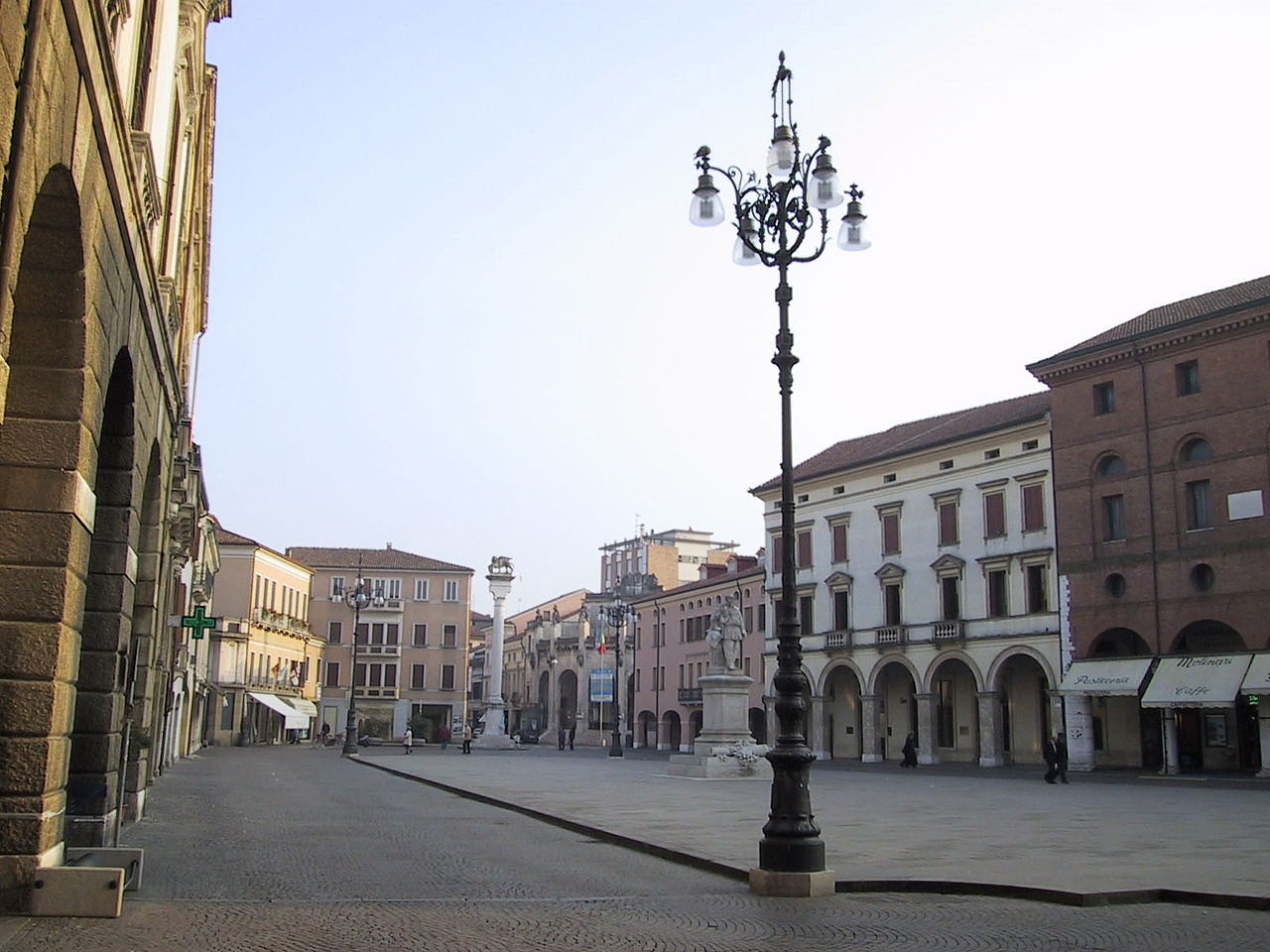
Image credit: Image: Atigra / Wikimedia Commons, CC BY-SA 3.0
Italy / Southern Europe
Use the Rovigo profile to compare affordability, livability, and economic indicators against other indexed cities in Italy and across Southern Europe, and to explore nearby nature and weekend destinations.

Image credit: Image: Max.oppo / Wikimedia Commons, CC BY-SA 3.0
Italy / Southern Europe
Use the Nuoro profile to compare affordability, livability, and economic indicators against other indexed cities in Italy and across Southern Europe, and to explore nearby nature and weekend destinations.

Image credit: Image: Martin Stiburek / Wikimedia Commons, CC BY-SA 4.0
Italy / Southern Europe
Use the Trani profile to compare affordability, livability, and economic indicators against other indexed cities in Italy and across Southern Europe, and to explore nearby nature and weekend destinations.

Image credit: Image: trolvag / Wikimedia Commons, CC BY-SA 3.0
Italy / Southern Europe
Use the Ascoli Piceno profile to compare affordability, livability, and economic indicators against other indexed cities in Italy and across Southern Europe, and to explore nearby nature and weekend destinations.

Image credit: Image: Alessandro Antonelli / Wikimedia Commons, CC BY 3.0
Italy / Southern Europe
Use the Rieti profile to compare affordability, livability, and economic indicators against other indexed cities in Italy and across Southern Europe, and to explore nearby nature and weekend destinations.

Image credit: Image: Ilaria Spes / Wikimedia Commons, CC BY-SA 4.0
Italy / Southern Europe
Use the Frosinone profile to compare affordability, livability, and economic indicators against other indexed cities in Italy and across Southern Europe, and to explore nearby nature and weekend destinations.

Image credit: Image: Totonninix / Wikimedia Commons, CC BY-SA 3.0
Italy / Southern Europe
Use the Vercelli profile to compare affordability, livability, and economic indicators against other indexed cities in Italy and across Southern Europe, and to explore nearby nature and weekend destinations.

Image credit: Image: Leandro Neumann Ciuffo / Wikimedia Commons, CC BY 2.0
Italy / Southern Europe
Use the Enna profile to compare affordability, livability, and economic indicators against other indexed cities in Italy and across Southern Europe, and to explore nearby nature and weekend destinations.
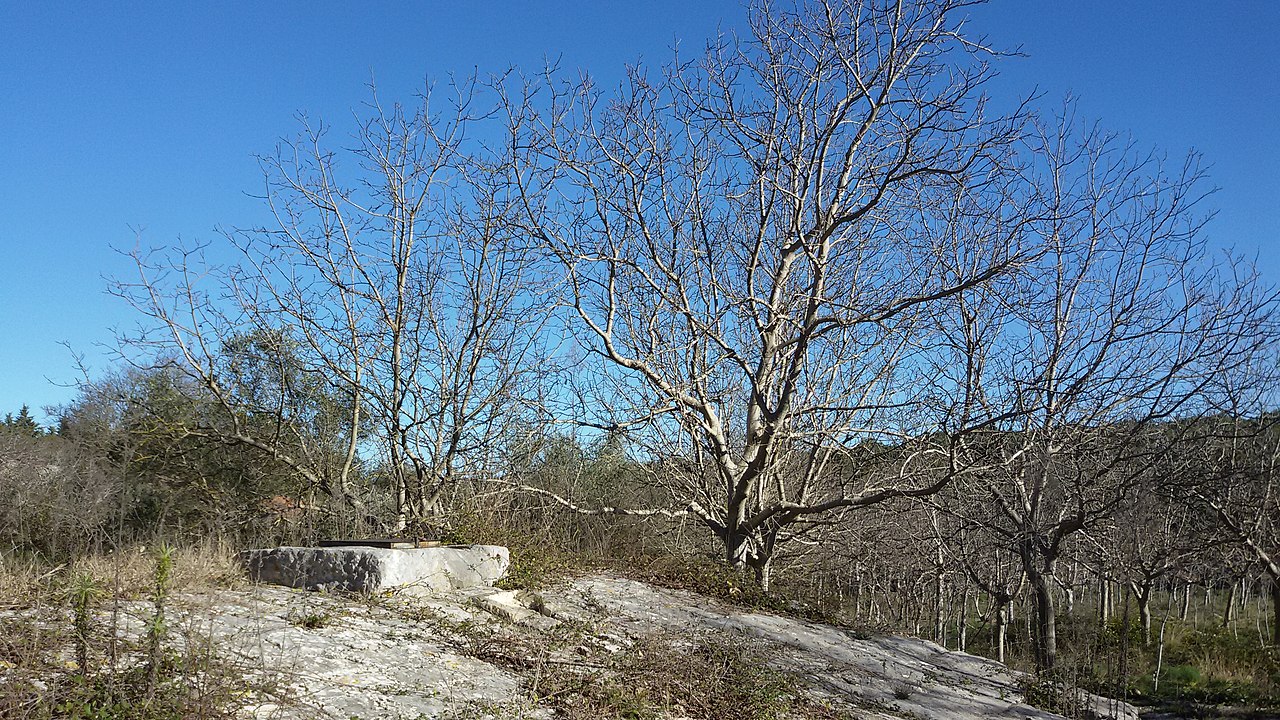
Image credit: Image: Millyachille / Wikimedia Commons, CC BY-SA 4.0
Italy / Southern Europe
Use the Altamura profile to compare affordability, livability, and economic indicators against other indexed cities in Italy and across Southern Europe, and to explore nearby nature and weekend destinations.

Image credit: Image: user:Deblu68 / Wikimedia Commons, CC0
Italy / Southern Europe
Use the Velletri profile to compare affordability, livability, and economic indicators against other indexed cities in Italy and across Southern Europe, and to explore nearby nature and weekend destinations.

Image credit: Image: Emilioba93 / Wikimedia Commons, CC BY-SA 3.0
Italy / Southern Europe
Use the Acireale profile to compare affordability, livability, and economic indicators against other indexed cities in Italy and across Southern Europe, and to explore nearby nature and weekend destinations.

Image credit: Image: Sailko / Wikimedia Commons, CC BY 3.0
Italy / Southern Europe
Use the Oristano profile to compare affordability, livability, and economic indicators against other indexed cities in Italy and across Southern Europe, and to explore nearby nature and weekend destinations.

Image credit: Image: Jacquesverlaeken / Wikimedia Commons, CC BY-SA 4.0
Italy / Southern Europe
Use the Sondrio profile to compare affordability, livability, and economic indicators against other indexed cities in Italy and across Southern Europe, and to explore nearby nature and weekend destinations.

Image credit: Image: Briskerly / Wikimedia Commons, CC BY-SA 3.0
Italy / Southern Europe
Use the Crema profile to compare affordability, livability, and economic indicators against other indexed cities in Italy and across Southern Europe, and to explore nearby nature and weekend destinations.

Image credit: Image: Flickr user lastquest / Wikimedia Commons, CC BY-SA 2.0
Italy / Southern Europe
Use the Fermo profile to compare affordability, livability, and economic indicators against other indexed cities in Italy and across Southern Europe, and to explore nearby nature and weekend destinations.

Image credit: Image: Franz Ley / Wikimedia Commons, CC BY-SA 3.0
Italy / Southern Europe
Use the Brixen profile to compare affordability, livability, and economic indicators against other indexed cities in Italy and across Southern Europe, and to explore nearby nature and weekend destinations.

Image credit: Image: Traveler100 / Wikimedia Commons, CC BY-SA 4.0
Italy / Southern Europe
Use the Moncalieri profile to compare affordability, livability, and economic indicators against other indexed cities in Italy and across Southern Europe, and to explore nearby nature and weekend destinations.

Image credit: Image: Balsamo Giulio / Wikimedia Commons, CC0
Italy / Southern Europe
Use the Gallarate profile to compare affordability, livability, and economic indicators against other indexed cities in Italy and across Southern Europe, and to explore nearby nature and weekend destinations.

Image credit: Image: Moyan Brenn from Italy / Wikimedia Commons, CC BY 2.0
Italy / Southern Europe
Use the Anzio profile to compare affordability, livability, and economic indicators against other indexed cities in Italy and across Southern Europe, and to explore nearby nature and weekend destinations.

Image credit: Image: Wittylama / Wikimedia Commons, CC BY-SA 4.0
Italy / Southern Europe
Use the Spoleto profile to compare affordability, livability, and economic indicators against other indexed cities in Italy and across Southern Europe, and to explore nearby nature and weekend destinations.

Image credit: Image: Kaosrimo / Wikimedia Commons, CC BY-SA 3.0
Italy / Southern Europe
Use the Rho profile to compare affordability, livability, and economic indicators against other indexed cities in Italy and across Southern Europe, and to explore nearby nature and weekend destinations.

Image credit: Image: Notafly / Wikimedia Commons, Public Domain
Italy / Southern Europe
Use the Civitavecchia profile to compare affordability, livability, and economic indicators against other indexed cities in Italy and across Southern Europe, and to explore nearby nature and weekend destinations.

Image credit: Image: Gunnar Bach Pedersen / Wikimedia Commons, Public Domain
Italy / Southern Europe
Use the Assisi profile to compare affordability, livability, and economic indicators against other indexed cities in Italy and across Southern Europe, and to explore nearby nature and weekend destinations.

Image credit: Image: Original uploaded by Balzacle (Transfered by T137 ) / Wikimedia Commons, Public Domain
Italy / Southern Europe
Use the Acerra profile to compare affordability, livability, and economic indicators against other indexed cities in Italy and across Southern Europe, and to explore nearby nature and weekend destinations.

Image credit: Image: Antonio Joli / Wikimedia Commons, Public Domain
Italy / Southern Europe
Use the Pozzuoli profile to compare affordability, livability, and economic indicators against other indexed cities in Italy and across Southern Europe, and to explore nearby nature and weekend destinations.

Image credit: Image: Retaggio / Wikimedia Commons, CC BY-SA 3.0
Italy / Southern Europe
Use the Tivoli profile to compare affordability, livability, and economic indicators against other indexed cities in Italy and across Southern Europe, and to explore nearby nature and weekend destinations.

Image credit: Image: Lungoleno / Wikimedia Commons, CC BY-SA 4.0
Italy / Southern Europe
Use the Rovereto profile to compare affordability, livability, and economic indicators against other indexed cities in Italy and across Southern Europe, and to explore nearby nature and weekend destinations.
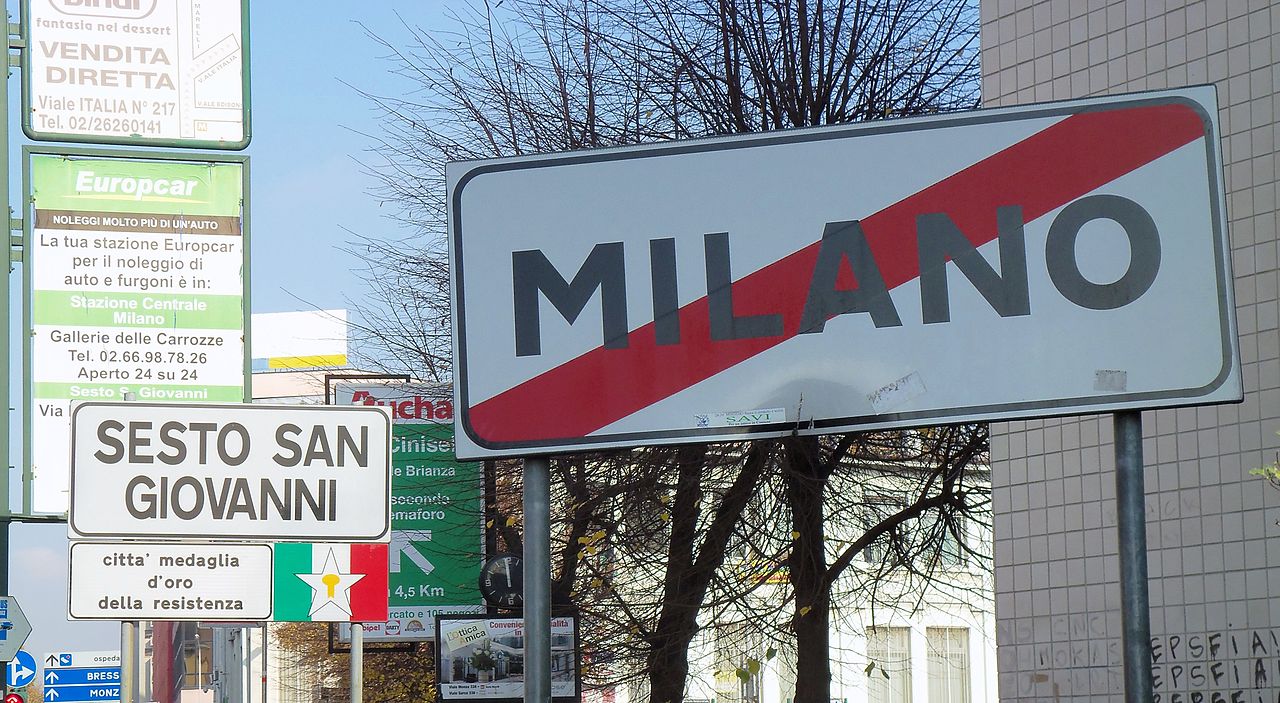
Image credit: Image: Yorick39 / Wikimedia Commons, CC BY-SA 3.0
Italy / Southern Europe
Use the Sesto San Giovanni profile to compare affordability, livability, and economic indicators against other indexed cities in Italy and across Southern Europe, and to explore nearby nature and weekend destinations.

Image credit: Image: Alex10 / Wikimedia Commons, CC BY-SA 3.0
Italy / Southern Europe
Use the Carbonia profile to compare affordability, livability, and economic indicators against other indexed cities in Italy and across Southern Europe, and to explore nearby nature and weekend destinations.

Image credit: Image: Dinamo86 / Wikimedia Commons, CC BY-SA 3.0
Italy / Southern Europe
Use the Aversa profile to compare affordability, livability, and economic indicators against other indexed cities in Italy and across Southern Europe, and to explore nearby nature and weekend destinations.

Image credit: Image: Plumbago Capensis / Wikimedia Commons, CC BY-SA 4.0
Italy / Southern Europe
Use the Ivrea profile to compare affordability, livability, and economic indicators against other indexed cities in Italy and across Southern Europe, and to explore nearby nature and weekend destinations.
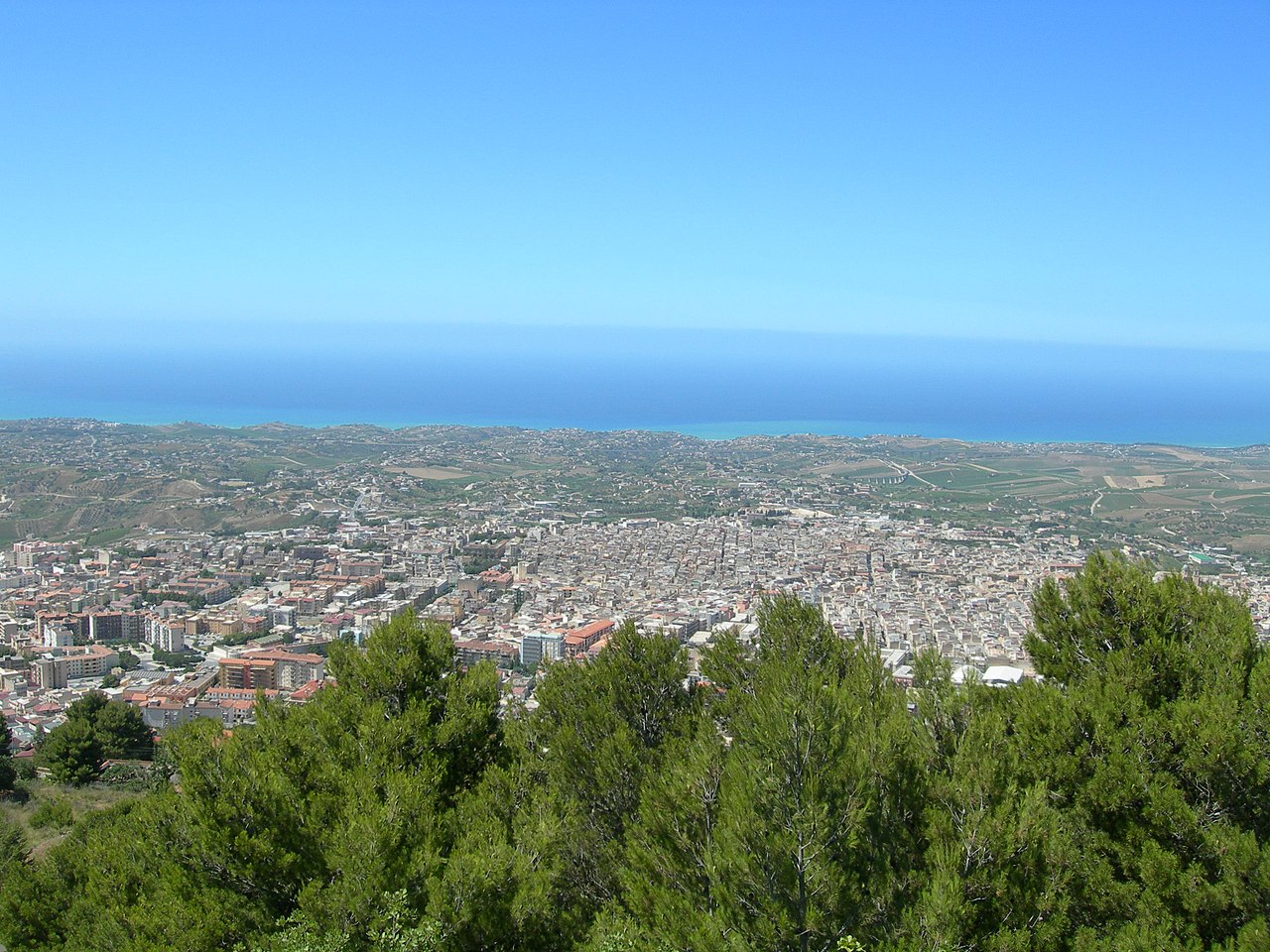
Image credit: Image: Leop81 at Italian Wikipedia / Wikimedia Commons, Public Domain
Italy / Southern Europe
Use the Alcamo profile to compare affordability, livability, and economic indicators against other indexed cities in Italy and across Southern Europe, and to explore nearby nature and weekend destinations.

Image credit: Image: Daum / Wikimedia Commons, Public Domain
Italy / Southern Europe
Use the Sassuolo profile to compare affordability, livability, and economic indicators against other indexed cities in Italy and across Southern Europe, and to explore nearby nature and weekend destinations.

Image credit: Image: This / Wikimedia Commons, CC BY 3.0
Italy / Southern Europe
Use the Alba profile to compare affordability, livability, and economic indicators against other indexed cities in Italy and across Southern Europe, and to explore nearby nature and weekend destinations.

Image credit: Image: Kristianpot / Wikimedia Commons, CC BY-SA 4.0
Italy / Southern Europe
Use the Gaeta profile to compare affordability, livability, and economic indicators against other indexed cities in Italy and across Southern Europe, and to explore nearby nature and weekend destinations.

Image credit: Image: Berthold Werner / Wikimedia Commons, CC BY-SA 4.0
Italy / Southern Europe
Use the Noto profile to compare affordability, livability, and economic indicators against other indexed cities in Italy and across Southern Europe, and to explore nearby nature and weekend destinations.
Source-attributed country-level indicators for Italy, drawn from the World Bank Development Indicators. Use the cards and table together to compare scale, unit, and data year for each metric.
Country-level, not city-level
Indicators describe national context. Pair them with city profiles, comparisons, and verified utility layers (emergency, healthcare, transport) for local detail.
Source-attributed where available
Values come from the World Bank Development Indicators. Where no verified record exists, the platform shows a transparent fallback rather than a guessed number.
Different indicators, different years
Each record carries its own data year because publishers refresh indicators on their own cadence. The card and table both display the year alongside the value.
Context, not a ranking
Treat indicators as orientation, not as a leaderboard. The platform never claims any country is best, safest, cleanest, richest, healthiest, or most connected.
Read alongside city intelligence
Country indicators are most useful when combined with the city profiles in the country, the public-safety, healthcare, and transport sections, and the methodology and data-sources pages.
For full construction details, read the methodology page and the data sources registry.
National-level economic signals to read alongside city-level cost and services pages.
GDP per capita
VerifiedEconomic context only — not a cost-of-living score or a household-income measure.
Data year 2024 updated 2026-09-08
Unemployment rate
VerifiedModeled ILO labor-market context — not a guarantee of job availability for any specific worker.
Data year 2025 updated 2026-04-08
National scale and urbanisation context; pair with city profiles for local detail.
Population
VerifiedNational scale only — not a city population value or a measure of urban density.
Data year 2024 updated 2026-04-08
Urban population share
VerifiedShare of population living in urban areas — not a quality-of-life or urban-form measure.
Data year 2024 updated 2026-04-08
Connectivity context drawn from World Bank usage and subscription indicators.
Internet usage
VerifiedShare of population that uses the internet — not a measure of connection speed or quality.
Data year 2024 updated 2026-04-08
Fixed broadband subscriptions
VerifiedFixed broadband subscriptions per 100 people — not a measure of overall internet quality or speed.
Data year 2024 updated 2026-04-08
National health-system context; not a substitute for verified city-level healthcare layers.
Life expectancy
VerifiedNational health-context indicator — not individual health guidance.
Data year 2024 updated 2026-04-08
Health expenditure per capita
VerifiedPer-capita spending context — not a measure of healthcare quality or access for any individual.
Data year 2024 updated 2026-04-08
National emissions context; read separately from city-level air-quality data.
CO₂ emissions per capita
VerifiedNational emissions context — not a city-level air-quality measurement.
Data year 2024 updated 2026-04-08
| Indicator | Value | Unit | Data year | Status |
|---|---|---|---|---|
| Population | 58,952,704 | people | 2024 | Verified |
| Internet usage | 89.22 | percent | 2024 | Verified |
| Urban population share | 69.6 | percent | 2024 | Verified |
| GDP per capita | 40,429.62 | current US$ | 2024 | Verified |
| Life expectancy | 83.95 | years | 2024 | Verified |
| Health expenditure per capita | 3,397.69 | current US$ | 2024 | Verified |
| Unemployment rate | 6.39 | percent | 2025 | Verified |
| CO₂ emissions per capita | 5.08 | metric tons per capita | 2024 | Verified |
| Fixed broadband subscriptions | 31.78 | per 100 people | 2024 | Verified |
Global City Intelligence — country indicators dataset
VerifiedCountry indicator values appear in this section only after they are sourced from accepted publishers and validated at build time. Malformed records cannot ship to production.
Verified emergency contacts for Italy, drawn from official emergency services and government publishers. Use these as a starting point and confirm current details with local authorities before traveling or relocating.
| Service | Number | Notes |
|---|---|---|
| European emergency | 11224/7 | Italy operates 112 as a single emergency number (Numero Unico di Emergenza) across the country. |
Each emergency contact above is attributed to an official emergency service or government publisher. Confirm current numbers directly with these sources.
Used as the primary attribution for the EU-wide 112 universal emergency number on European country profiles.
Last verified: 2026-05-16
Methodology and the wider source registry are documented on the scoring methodology and data sources pages.
Verified national healthcare information for Italy, drawn from official government and public health publishers. This is informational only and does not provide medical advice.
Related sections: emergency and public safety, scoring methodology, and data sources.
Verified national transport context for Italy, attributed to official transport ministries, national operators, and aviation authorities. This is informational only; routes, fares, and schedules change frequently — check the linked authorities for current details.
Related sections: emergency and public safety, healthcare and hospitals, cities directory, countries directory, scoring methodology, data sources.
Curated city-vs-city comparisons that include at least one city from Italy. Each link opens a comparison page with structured indicators across cost, safety, healthcare, transport, and country context.
Europe · Regional alternative
Rome vs Milan: Cost, Safety, Healthcare & Transport
Compare Rome and Milan across cost of living, air quality, safety, healthcare, transport, and country context for users weighing Italy's principal economic and political centers.
Europe · Regional alternative
Athens vs Rome: Cost, Safety, Healthcare & Transport
Review Athens and Rome side by side through cost framing, transport access, healthcare and emergency context, and Mediterranean climate-adaptation priorities.
Europe · Regional alternative
Turin vs Milan: Cost, Safety, Healthcare & Transport
Pair Turin and Milan for a northern-Italy comparison across cost framing, transport access, and country-level public-service context.
Europe · Regional alternative
Genoa vs Turin: Cost, Safety, Healthcare & Transport
Compare Genoa and Turin across cost framing, transport access, and country-level intelligence for users weighing two northwestern-Italy regional centres.
Europe · Regional alternative
Palermo vs Naples: Cost, Safety, Healthcare & Transport
Pair Palermo and Naples for a southern-Italy comparison across cost framing, transport access, healthcare and emergency context, and country-level indicators.
Europe · Regional alternative
Verona vs Bologna: Cost, Safety, Healthcare & Transport
Compare Verona and Bologna as north-central Italian cities across cost framing, transport access, and country-level public-service context.
Curated city collections that include at least one Italy city. Each collection is a comparison-oriented shortlist, not an official ranking.
No curated city collections currently reference Italy cities. Browse the Best Cities collections index for related shortlists.
Explore rankings where supported Italy city profiles appear. Use rankings as directional city intelligence, not an official government ranking.
Ranking
A balanced ranking of cities across affordability, air quality, clean-energy readiness, and resilience.
152 cities from Italy appears in this ranking
Ranking
Cities that combine strong services, mobility, safety, clean air, and resilience into a healthy day-to-day profile.
152 cities from Italy appears in this ranking
Ranking
Cities that combine fast connectivity, safety, healthy day-to-day life, and a manageable cost-of-living balance for remote and hybrid workers.
152 cities from Italy appears in this ranking
Ranking
A health-oriented comparison of city air-quality scores using WHO-centered pollutant interpretation.
152 cities from Italy appears in this ranking
Ranking
Cities ranked by cost-of-living score, weighing housing pressure, essential spending, and household offsets across global metros.
152 cities from Italy appears in this ranking
Ranking
Cities ranked by internet speed, mobile coverage, and digital-readiness depth for residents, businesses, and remote workers.
152 cities from Italy appears in this ranking
Ranking
A ranking of city energy-transition readiness, grid resilience, clean-resource potential, and adaptation capacity.
152 cities from Italy appears in this ranking
Ranking
A practical affordability ranking that weighs housing pressure against transport access, services, and opportunity density.
152 cities from Italy appears in this ranking
See the full rankings directory for every available structured ranking.
Across 152 indexed cities, Milan leads at 82/100 and Aosta sits at 50/100. Use the country page as a parent context layer; module-level detail lives on each city profile. Data year 2025; last updated 2026-05-16. Drawn from 5 institutional references.
Structured indicators on this hub are directional and intended for orientation. Verified utility layers — emergency, healthcare, transport — are attributed to official publishers where available and use transparent fallback states where verified country-level data is not yet integrated.
Structured indicators on this page are directional and intended for orientation. Verified datasets are being integrated; official sources should be used for critical decisions.
5 institutional references inform this view, listed below with reliability notes. Structured indicators on this page are directional and intended for orientation; verified datasets are being integrated and official sources should be used for critical decisions.
Used as a policy and methodology reference for urban exposure and resilience signals.
Used as an energy-resource and weather-normalization reference.
Used where European city comparisons need monitored air-quality context.
Used to explain urban climate vulnerability and adaptation scoring logic.
Used to ground energy-readiness scoring in international transition guidance.