Supported cities
44
City profiles indexed for Denmark.
Northern Europe
Denmark's country profile emphasizes clean-energy governance, high public trust, and urban systems that support healthy daily life. Denmark is indexed at the country level in Northern Europe, with 44 city profiles linked below.

Nyhavn
Image credit: Image: kallerna / Wikimedia Commons, CC BY-SA 4.0
Additional verified imagery for Denmark. Each photo is sourced from Wikimedia Commons with full attribution and a permissive license.

Kronborg
Image credit: Image: H.C. Steensen / Wikimedia Commons, CC BY-SA 3.0
Snapshot of structured Denmark city intelligence and which verified utility layers are available on this hub.
Supported cities
44
City profiles indexed for Denmark.
Emergency profile
Verified
Country emergency contacts attributed to official publishers.
Healthcare profile
Verified
Healthcare layer attributed to official health authorities.
Transport profile
Verified
Transport authority and operator references attributed to official sources.
Related comparisons
1
Curated city-vs-city comparison pages that reference this country.
Related collections
3
Best Cities collections that include at least one city from this country.
Data year
2025
Reference year for the country intelligence dataset.
Last updated
2026-05-16
Most recent platform-side review of the country hub.
Advanced
Strong public institutions and climate policy improve city implementation capacity.
Very strong
Clean-energy planning gives cities a favorable national operating environment.
High
European monitoring and reporting systems support indexable, comparable pages.
Country pages group cities into crawlable clusters and give national context without replacing city-level comparisons.
| Metric | Value | Context |
|---|---|---|
| Region | Northern Europe | Used for geographic clustering and regional comparisons. |
| Indexed cities | 44 | Helsingor, Kolding, Frederiksberg, Vejle, Copenhagen, Aarhus, Odense, Aalborg, Roskilde, Esbjerg, Randers, Horsens, Herning, Silkeborg, Viborg, Fredericia, Hillerød, Næstved, Køge, Frederikshavn, Holstebro, Sønderborg, Aabenraa, Hjørring, Svendborg, Haderslev, Hørsholm, Ribe, Rønne, Skagen, Billund, Hadsund, Skive, Nyborg, Skanderborg, Nykøbing Falster, Nakskov, Ikast, Tønder, Grenaa, Vordingborg, Frederiksværk, Aars, Lemvig |
| Urban resilience context | Advanced | Strong public institutions and climate policy improve city implementation capacity. |
| Energy transition context | Very strong | Clean-energy planning gives cities a favorable national operating environment. |
| Data confidence | High | European monitoring and reporting systems support indexable, comparable pages. |
Each linked city page includes its own metadata, data table, source block, module links, and any verified utility layers.
44 cities, A–Z

Image credit: Image: Thierry Caro, pour le magazine 2512. / Wikimedia Commons, CC BY-SA 2.5
Denmark / Northern Europe
Use the Helsingor profile to compare housing, commuting, and cross-border travel dimensions alongside Copenhagen and Roskilde.

Image credit: Image: Hubertus / Wikimedia Commons, CC BY-SA 3.0
Denmark / Northern Europe
Use the Kolding profile to compare affordability, industry, and airport-access dimensions alongside Vejle, Esbjerg, and Odense.
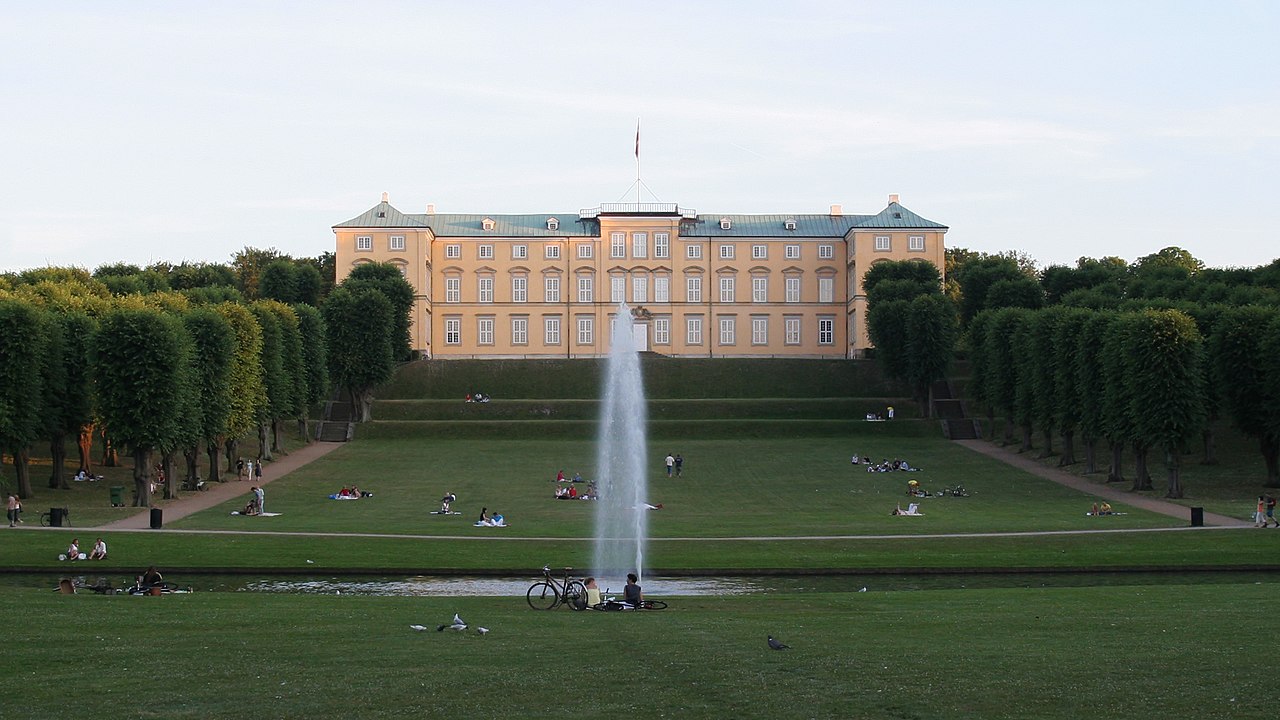
Image credit: Image: Ikiwaner / Wikimedia Commons, CC BY-SA 3.0
Denmark / Northern Europe
Use the Frederiksberg profile to compare transport access, housing cost framing, and climate-adaptation context alongside regional peers such as Copenhagen and Roskilde.

Image credit: Image: Hjart / Wikimedia Commons, CC BY-SA 4.0
Denmark / Northern Europe
Use the Vejle profile to compare cost framing, transport access, and climate-adaptation context alongside Aarhus, Odense, and other Danish regional centers.

Image credit: Image: Pudelek / Wikimedia Commons, CC BY-SA 4.0
Denmark / Northern Europe
The city is best explored as a climate-forward, high-trust urban system where higher costs are balanced by safety, mobility, and environmental quality.

Image credit: Image: Jon Wickmann / Wikimedia Commons, CC BY 3.0
Denmark / Northern Europe
Use the Aarhus profile to compare cost framing, transport access, and country-level context alongside Copenhagen and Scandinavian peers.

Image credit: Image: Emelie Graven / Wikimedia Commons, CC BY-SA 4.0
Denmark / Northern Europe
Use the Odense profile to compare cost framing, transport access, and country-level context alongside Copenhagen and Aarhus.

Image credit: Image: Tomasz Sienicki / Wikimedia Commons, CC BY 2.5
Denmark / Northern Europe
Use this record as a regional planning anchor while deeper source integration is pending. Verify access, transport, and seasonal context with official sources before relying on the page for travel decisions.

Image credit: Image: Mariusz Paździora / Wikimedia Commons, CC BY-SA 3.0
Denmark / Zealand
Use this record as a planning anchor for local-first research and nearby weekend-rest discovery, verifying access, transport, and seasonal context with official sources.

Image credit: Image: No machine-readable author provided. Cnyborg assumed (based on copyright claims). / Wikimedia Commons, CC BY-SA 3.0
Denmark / Region of Southern Denmark
Consider this entry a planning anchor for local-first research and nearby weekend-rest discovery, confirming coastal and national-park access, transport, and seasonal details with official sources before travel.

Image credit: Image: X2qnet / Wikimedia Commons, CC BY-SA 4.0
Denmark / Region of Southern Denmark
Use the Randers profile to compare affordability, livability, and economic indicators against other indexed cities in Denmark and across Region of Southern Denmark, and to explore nearby nature and weekend destinations.

Image credit: Image: Hubertus45 / Wikimedia Commons, CC BY 3.0
Denmark / Region of Southern Denmark
Use the Horsens profile to compare affordability, livability, and economic indicators against other indexed cities in Denmark and across Region of Southern Denmark, and to explore nearby nature and weekend destinations.

Image credit: Image: Hubertus / Wikimedia Commons, CC BY 2.5
Denmark / Region of Southern Denmark
Use the Herning profile to compare affordability, livability, and economic indicators against other indexed cities in Denmark and across Region of Southern Denmark, and to explore nearby nature and weekend destinations.

Image credit: Image: Bococo / Wikimedia Commons, CC BY-SA 3.0
Denmark / Region of Southern Denmark
Use the Silkeborg profile to compare affordability, livability, and economic indicators against other indexed cities in Denmark and across Region of Southern Denmark, and to explore nearby nature and weekend destinations.

Image credit: Image: Slaunger / Wikimedia Commons, CC BY-SA 3.0
Denmark / Northern Europe
Use the Viborg profile to compare affordability, livability, and economic indicators against other indexed cities in Denmark and across Northern Europe, and to explore nearby nature and weekend destinations.

Image credit: Image: Johan Wessman / News Oresund / Wikimedia Commons, CC BY 2.0
Denmark / Northern Europe
Use the Fredericia profile to compare affordability, livability, and economic indicators against other indexed cities in Denmark and across Northern Europe, and to explore nearby nature and weekend destinations.

Image credit: Image: FrDr / Wikimedia Commons, CC BY-SA 4.0
Denmark / Northern Europe
Use the Hillerød profile to compare affordability, livability, and economic indicators against other indexed cities in Denmark and across Northern Europe, and to explore nearby nature and weekend destinations.

Image credit: Image: Toxophilus / Wikimedia Commons, CC BY-SA 4.0
Denmark / Northern Europe
Use the Næstved profile to compare affordability, livability, and economic indicators against other indexed cities in Denmark and across Northern Europe, and to explore nearby nature and weekend destinations.

Image credit: Image: Hubertus45 / Wikimedia Commons, CC BY-SA 3.0
Denmark / Northern Europe
Use the Køge profile to compare affordability, livability, and economic indicators against other indexed cities in Denmark and across Northern Europe, and to explore nearby nature and weekend destinations.

Image credit: Image: Wikimedia Commons contributor / Wikimedia Commons, CC BY 2.5
Denmark / Northern Europe
Use the Frederikshavn profile to compare affordability, livability, and economic indicators against other indexed cities in Denmark and across Northern Europe, and to explore nearby nature and weekend destinations.

Image credit: Image: Norton / Wikimedia Commons, Public Domain
Denmark / Northern Europe
Use the Holstebro profile to compare affordability, livability, and economic indicators against other indexed cities in Denmark and across Northern Europe, and to explore nearby nature and weekend destinations.

Image credit: Image: Dguendel / Wikimedia Commons, CC BY 3.0
Denmark / Northern Europe
Use the Sønderborg profile to compare affordability, livability, and economic indicators against other indexed cities in Denmark and across Northern Europe, and to explore nearby nature and weekend destinations.

Image credit: Image: Hubertus / Wikimedia Commons, CC BY-SA 3.0
Denmark / Northern Europe
Use the Aabenraa profile to compare affordability, livability, and economic indicators against other indexed cities in Denmark and across Northern Europe, and to explore nearby nature and weekend destinations.

Image credit: Image: Tomasz Sienicki / Wikimedia Commons, CC BY 4.0
Denmark / Northern Europe
Use the Hjørring profile to compare affordability, livability, and economic indicators against other indexed cities in Denmark and across Northern Europe, and to explore nearby nature and weekend destinations.

Image credit: Image: Frank N. T. from Svendborg, Denmark / Wikimedia Commons, CC BY-SA 2.0
Denmark / Northern Europe
Use the Svendborg profile to compare affordability, livability, and economic indicators against other indexed cities in Denmark and across Northern Europe, and to explore nearby nature and weekend destinations.

Image credit: Image: JEK / Wikimedia Commons, CC BY-SA 3.0
Denmark / Northern Europe
Use the Haderslev profile to compare affordability, livability, and economic indicators against other indexed cities in Denmark and across Northern Europe, and to explore nearby nature and weekend destinations.

Image credit: Image: Ramblersen / Wikimedia Commons, CC BY-SA 4.0
Denmark / Northern Europe
Use the Hørsholm profile to compare affordability, livability, and economic indicators against other indexed cities in Denmark and across Northern Europe, and to explore nearby nature and weekend destinations.
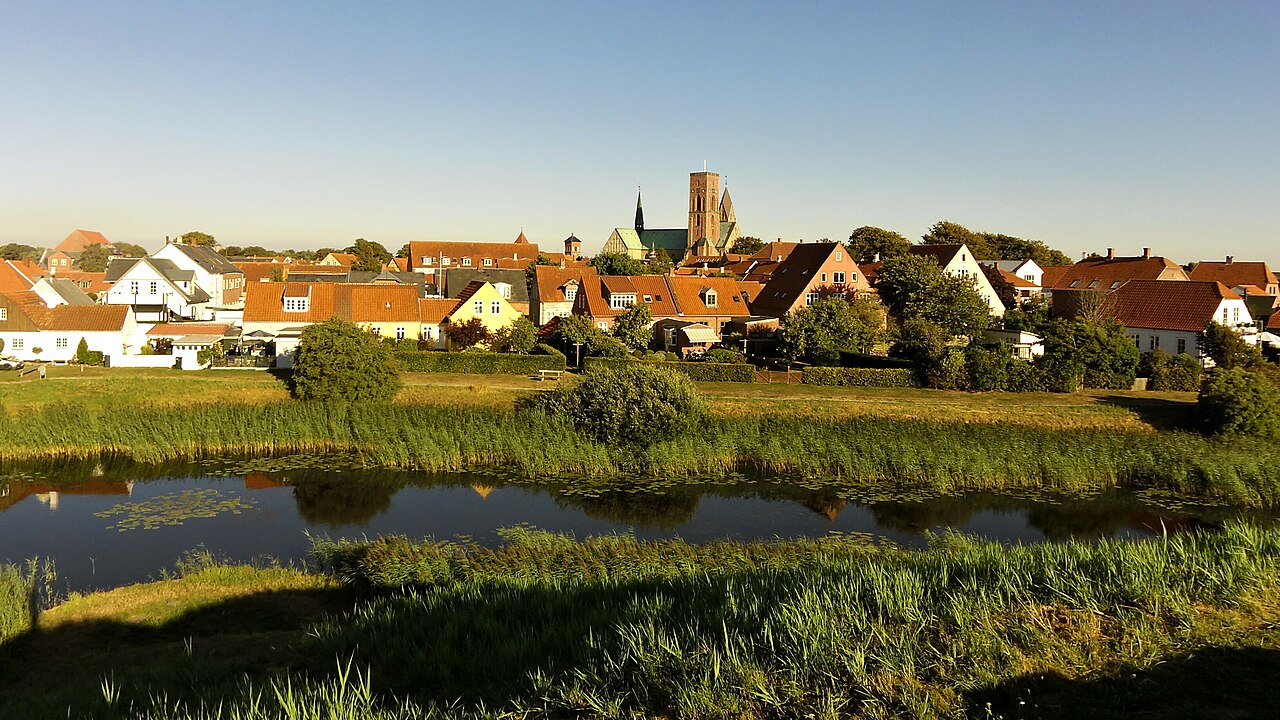
Image credit: Image: Hjart / Wikimedia Commons, CC BY-SA 4.0
Denmark / Northern Europe
Use the Ribe profile to compare affordability, livability, and economic indicators against other indexed cities in Denmark and across Northern Europe, and to explore nearby nature and weekend destinations.

Image credit: Image: Werner Wilmes / Wikimedia Commons, CC BY 2.0
Denmark / Northern Europe
Use the Rønne profile to compare affordability, livability, and economic indicators against other indexed cities in Denmark and across Northern Europe, and to explore nearby nature and weekend destinations.

Image credit: Image: Jérémy Toma / Wikimedia Commons, CC BY-SA 4.0
Denmark / Northern Europe
Use the Skagen profile to compare affordability, livability, and economic indicators against other indexed cities in Denmark and across Northern Europe, and to explore nearby nature and weekend destinations.

Image credit: Image: HartOve / Wikimedia Commons, CC BY 4.0
Denmark / Northern Europe
Use the Billund profile to compare affordability, livability, and economic indicators against other indexed cities in Denmark and across Northern Europe, and to explore nearby nature and weekend destinations.

Image credit: Image: Søren1997 / Wikimedia Commons, CC BY-SA 3.0
Denmark / Northern Europe
Use the Hadsund profile to compare affordability, livability, and economic indicators against other indexed cities in Denmark and across Northern Europe, and to explore nearby nature and weekend destinations.

Image credit: Image: Hubertus45 / Wikimedia Commons, CC BY-SA 3.0
Denmark / Northern Europe
Use the Skive profile to compare affordability, livability, and economic indicators against other indexed cities in Denmark and across Northern Europe, and to explore nearby nature and weekend destinations.

Image credit: Image: Kent Madsen / Wikimedia Commons, CC BY-SA 4.0
Denmark / Northern Europe
Use the Nyborg profile to compare affordability, livability, and economic indicators against other indexed cities in Denmark and across Northern Europe, and to explore nearby nature and weekend destinations.

Image credit: Image: Hubertus45 / Wikimedia Commons, CC BY-SA 3.0
Denmark / Northern Europe
Use the Skanderborg profile to compare affordability, livability, and economic indicators against other indexed cities in Denmark and across Northern Europe, and to explore nearby nature and weekend destinations.

Image credit: Image: Zaurits / Wikimedia Commons, CC BY-SA 4.0
Denmark / Northern Europe
Use the Nykøbing Falster profile to compare affordability, livability, and economic indicators against other indexed cities in Denmark and across Northern Europe, and to explore nearby nature and weekend destinations.

Image credit: Image: Hubertus45 / Wikimedia Commons, CC BY-SA 3.0
Denmark / Northern Europe
Use the Nakskov profile to compare affordability, livability, and economic indicators against other indexed cities in Denmark and across Northern Europe, and to explore nearby nature and weekend destinations.

Image credit: Image: Hubertus / Wikimedia Commons, CC BY 2.5
Denmark / Northern Europe
Use the Ikast profile to compare affordability, livability, and economic indicators against other indexed cities in Denmark and across Northern Europe, and to explore nearby nature and weekend destinations.

Image credit: Image: Hjart / Wikimedia Commons, CC BY-SA 4.0
Denmark / Northern Europe
Use the Tønder profile to compare affordability, livability, and economic indicators against other indexed cities in Denmark and across Northern Europe, and to explore nearby nature and weekend destinations.

Image credit: Image: Tone / Wikimedia Commons, CC BY-SA 3.0
Denmark / Northern Europe
Use the Grenaa profile to compare affordability, livability, and economic indicators against other indexed cities in Denmark and across Northern Europe, and to explore nearby nature and weekend destinations.

Image credit: Image: Hubertus45 / Wikimedia Commons, CC BY-SA 3.0
Denmark / Northern Europe
Use the Vordingborg profile to compare affordability, livability, and economic indicators against other indexed cities in Denmark and across Northern Europe, and to explore nearby nature and weekend destinations.

Image credit: Image: Hubertus / Wikimedia Commons, CC BY-SA 3.0
Denmark / Northern Europe
Use the Frederiksværk profile to compare affordability, livability, and economic indicators against other indexed cities in Denmark and across Northern Europe, and to explore nearby nature and weekend destinations.

Image credit: Image: Hubertus / Wikimedia Commons, CC BY-SA 3.0
Denmark / Northern Europe
Use the Aars profile to compare affordability, livability, and economic indicators against other indexed cities in Denmark and across Northern Europe, and to explore nearby nature and weekend destinations.

Image credit: Image: Original uploader was Anigif at da.wikipedia / Wikimedia Commons, CC BY 3.0
Denmark / Northern Europe
Use the Lemvig profile to compare affordability, livability, and economic indicators against other indexed cities in Denmark and across Northern Europe, and to explore nearby nature and weekend destinations.
Source-attributed country-level indicators for Denmark, drawn from the World Bank Development Indicators. Use the cards and table together to compare scale, unit, and data year for each metric.
Country-level, not city-level
Indicators describe national context. Pair them with city profiles, comparisons, and verified utility layers (emergency, healthcare, transport) for local detail.
Source-attributed where available
Values come from the World Bank Development Indicators. Where no verified record exists, the platform shows a transparent fallback rather than a guessed number.
Different indicators, different years
Each record carries its own data year because publishers refresh indicators on their own cadence. The card and table both display the year alongside the value.
Context, not a ranking
Treat indicators as orientation, not as a leaderboard. The platform never claims any country is best, safest, cleanest, richest, healthiest, or most connected.
Read alongside city intelligence
Country indicators are most useful when combined with the city profiles in the country, the public-safety, healthcare, and transport sections, and the methodology and data-sources pages.
For full construction details, read the methodology page and the data sources registry.
National-level economic signals to read alongside city-level cost and services pages.
GDP per capita
VerifiedEconomic context only — not a cost-of-living score or a household-income measure.
Data year 2024 updated 2026-04-08
Unemployment rate
VerifiedModeled ILO labor-market context — not a guarantee of job availability for any specific worker.
Data year 2025 updated 2026-04-08
National scale and urbanisation context; pair with city profiles for local detail.
Population
VerifiedNational scale only — not a city population value or a measure of urban density.
Data year 2024 updated 2026-04-08
Urban population share
VerifiedShare of population living in urban areas — not a quality-of-life or urban-form measure.
Data year 2024 updated 2026-04-08
Connectivity context drawn from World Bank usage and subscription indicators.
Internet usage
VerifiedShare of population that uses the internet — not a measure of connection speed or quality.
Data year 2024 updated 2026-04-08
Fixed broadband subscriptions
VerifiedFixed broadband subscriptions per 100 people — not a measure of overall internet quality or speed.
Data year 2024 updated 2026-04-08
National health-system context; not a substitute for verified city-level healthcare layers.
Life expectancy
VerifiedNational health-context indicator — not individual health guidance.
Data year 2024 updated 2026-04-08
Health expenditure per capita
VerifiedPer-capita spending context — not a measure of healthcare quality or access for any individual.
Data year 2024 updated 2026-04-08
National emissions context; read separately from city-level air-quality data.
CO₂ emissions per capita
VerifiedNational emissions context — not a city-level air-quality measurement.
Data year 2024 updated 2026-04-08
| Indicator | Value | Unit | Data year | Status |
|---|---|---|---|---|
| Population | 5,976,992 | people | 2024 | Verified |
| Internet usage | 99.77 | percent | 2024 | Verified |
| Urban population share | 88.7 | percent | 2024 | Verified |
| GDP per capita | 71,026.48 | current US$ | 2024 | Verified |
| Life expectancy | 82.25 | years | 2024 | Verified |
| Health expenditure per capita | 6,745.06 | current US$ | 2024 | Verified |
| Unemployment rate | 5.53 | percent | 2025 | Verified |
| CO₂ emissions per capita | 4.28 | metric tons per capita | 2024 | Verified |
| Fixed broadband subscriptions | 43.39 | per 100 people | 2024 | Verified |
Global City Intelligence — country indicators dataset
VerifiedCountry indicator values appear in this section only after they are sourced from accepted publishers and validated at build time. Malformed records cannot ship to production.
Verified emergency contacts for Denmark, drawn from official emergency services and government publishers. Use these as a starting point and confirm current details with local authorities before traveling or relocating.
| Service | Number | Notes |
|---|---|---|
| Universal emergency | 11224/7 | 112 reaches police, fire, and ambulance dispatch across the European Union from any phone, free of charge. |
Each emergency contact above is attributed to an official emergency service or government publisher. Confirm current numbers directly with these sources.
Used as the primary attribution for the EU-wide 112 universal emergency number on European country profiles.
Last verified: 2026-05-16
Methodology and the wider source registry are documented on the scoring methodology and data sources pages.
Verified national healthcare information for Denmark, drawn from official government and public health publishers. This is informational only and does not provide medical advice.
Healthcare system
Tax-funded universal health service administered by the regions, with primary care delivered by general practitioners.
Official health portal
Emergency medical information
Call 112 for medical emergencies. Out-of-hours medical services vary by region and are coordinated through regional health authorities.
Insurance and access
Most services are free at the point of use for registered residents. Visitor coverage depends on EHIC or private insurance.
Each entry above is attributed to an official government, public health, or recognised health-system publisher. Confirm current information directly with these sources.
Used as the primary attribution for Danish public-health context.
Last verified: 2026-05-16
Related sections: emergency and public safety, scoring methodology, and data sources.
Verified national transport context for Denmark, attributed to official transport ministries, national operators, and aviation authorities. This is informational only; routes, fares, and schedules change frequently — check the linked authorities for current details.
Public transport overview
The Danish Transport Authority oversees civil aviation, rail safety, and transport regulation. Intercity rail is operated by DSB.
National transport authority
Rail authority or operator
Each entry above is attributed to an official transport authority, national operator, airport publisher, or government source. Confirm current information directly with these publishers.
Used as the primary attribution for Danish national transport context.
Used as the primary attribution for Danish national rail operator information.
Last verified: 2026-05-16
Related sections: emergency and public safety, healthcare and hospitals, cities directory, countries directory, scoring methodology, data sources.
Curated city-vs-city comparisons that include at least one city from Denmark. Each link opens a comparison page with structured indicators across cost, safety, healthcare, transport, and country context.
Curated city collections that include at least one Denmark city. Each collection is a comparison-oriented shortlist, not an official ranking.
Family life
A comparison-oriented collection of cities seen through family-relevant context: safety, healthcare, public services, transport, air quality, and livability indicators. Designed for comparison, not as an official family ranking.
1 city from Denmark in this collection
Clean air
An air quality-oriented city collection. Designed for comparison through WHO and regional air-quality context — not a ranked claim of which city has the cleanest air.
1 city from Denmark in this collection
Public transport
A mobility-focused city collection comparing cities with useful public-transport context and verified transport or mobility profiles where available.
1 city from Denmark in this collection
Explore rankings where supported Denmark city profiles appear. Use rankings as directional city intelligence, not an official government ranking.
Ranking
A balanced ranking of cities across affordability, air quality, clean-energy readiness, and resilience.
44 cities from Denmark appears in this ranking
Ranking
Cities that combine strong services, mobility, safety, clean air, and resilience into a healthy day-to-day profile.
44 cities from Denmark appears in this ranking
Ranking
Cities that combine fast connectivity, safety, healthy day-to-day life, and a manageable cost-of-living balance for remote and hybrid workers.
44 cities from Denmark appears in this ranking
Ranking
A health-oriented comparison of city air-quality scores using WHO-centered pollutant interpretation.
44 cities from Denmark appears in this ranking
Ranking
Cities ranked by cost-of-living score, weighing housing pressure, essential spending, and household offsets across global metros.
44 cities from Denmark appears in this ranking
Ranking
Cities ranked by internet speed, mobile coverage, and digital-readiness depth for residents, businesses, and remote workers.
44 cities from Denmark appears in this ranking
Ranking
A ranking of city energy-transition readiness, grid resilience, clean-resource potential, and adaptation capacity.
44 cities from Denmark appears in this ranking
Ranking
A practical affordability ranking that weighs housing pressure against transport access, services, and opportunity density.
44 cities from Denmark appears in this ranking
See the full rankings directory for every available structured ranking.
Across 44 indexed cities, Copenhagen leads at 91/100 and Esbjerg sits at 50/100. Use the country page as a parent context layer; module-level detail lives on each city profile. Data year 2025; last updated 2026-05-16. Drawn from 4 institutional references.
Structured indicators on this hub are directional and intended for orientation. Verified utility layers — emergency, healthcare, transport — are attributed to official publishers where available and use transparent fallback states where verified country-level data is not yet integrated.
Structured indicators on this page are directional and intended for orientation. Verified datasets are being integrated; official sources should be used for critical decisions.
4 institutional references inform this view, listed below with reliability notes. Structured indicators on this page are directional and intended for orientation; verified datasets are being integrated and official sources should be used for critical decisions.
Used as a policy and methodology reference for urban exposure and resilience signals.
Used as an energy-resource and weather-normalization reference.
Used where European city comparisons need monitored air-quality context.
Used to explain urban climate vulnerability and adaptation scoring logic.