Supported cities
83
City profiles indexed for Czechia.
Central Europe
Czechia's profile combines compact historic cities, mature public transit, and an active energy transition supported by EU framing and city-level programs. Czechia is indexed at the country level in Central Europe, with 83 city profiles linked below.

Český Krumlov
Image credit: Image: Xth-Floor / Wikimedia Commons, CC BY-SA 4.0
Snapshot of structured Czechia city intelligence and which verified utility layers are available on this hub.
Supported cities
83
City profiles indexed for Czechia.
Emergency profile
Verified
Country emergency contacts attributed to official publishers.
Healthcare profile
Fallback
Verified healthcare data is not available; fallback context is shown.
Transport profile
Fallback
Verified transport data is not available; fallback context is shown.
Related comparisons
3
Curated city-vs-city comparison pages that reference this country.
Related collections
1
Best Cities collections that include at least one city from this country.
Data year
2025
Reference year for the country intelligence dataset.
Last updated
2026-05-16
Most recent platform-side review of the country hub.
Strong
Metro, tram, and bus reach support car-light daily life in major cities.
Deep
Long-standing cultural and creative ecosystems shape urban identity.
In progress
Heating decarbonization and renewables are central transition levers.
Country pages group cities into crawlable clusters and give national context without replacing city-level comparisons.
| Metric | Value | Context |
|---|---|---|
| Region | Central Europe | Used for geographic clustering and regional comparisons. |
| Indexed cities | 83 | Decin, Jihlava, Plzeň, Pardubice, Zlín, Ústí nad Labem, Hradec Králové, Prague, Brno, Ostrava, Olomouc, Karlovy Vary, Liberec, České Budějovice, Kladno, Havířov, Most, Opava, Frýdek-Místek, Teplice, Karviná, Mladá Boleslav, Chomutov, Prostějov, Přerov, Česká Lípa, Třinec, Příbram, Jablonec nad Nisou, Třebíč, Tábor, Znojmo, Kolín, Český Krumlov, Kutná Hora, Cheb, Kroměříž, Písek, Břeclav, Trutnov, Mělník, Šumperk, Havlíčkův Brod, Litoměřice, Uherské Hradiště, Český Těšín, Benešov, Mariánské Lázně, Beroun, Nový Jičín, Hodonín, Vsetín, Nymburk, Náchod, Chrudim, Jičín, Jindřichův Hradec, Strakonice, Žďár nad Sázavou, Sokolov, Blansko, Kopřivnice, Rakovník, Tachov, Vyškov, Bruntál, Aš, Domažlice, Louny, Pelhřimov, Prachatice, Ústí nad Orlicí, Rokycany, Rychnov nad Kněžnou, Vlašim, Šternberk, Vrchlabí, Velké Meziříčí, Prague 4, Žatec, Prague 6, Valašské Meziříčí, Krnov |
| Public transit | Strong | Metro, tram, and bus reach support car-light daily life in major cities. |
| Cultural heritage | Deep | Long-standing cultural and creative ecosystems shape urban identity. |
| Energy transition context | In progress | Heating decarbonization and renewables are central transition levers. |
Each linked city page includes its own metadata, data table, source block, module links, and any verified utility layers.
83 cities, A–Z

Image credit: Image: SchiDD / Wikimedia Commons, CC BY 4.0
Czechia / Central Europe
Use the Decin profile to compare affordability, air quality, energy and resilience alongside regional peers such as Usti nad Labem, Liberec and Prague.

Image credit: Image: VitVit / Wikimedia Commons, CC BY-SA 4.0
Czechia / Central Europe
Use the Jihlava profile to compare affordability, air quality, energy and resilience alongside regional peers such as Brno, Prague and Ceske Budejovice.
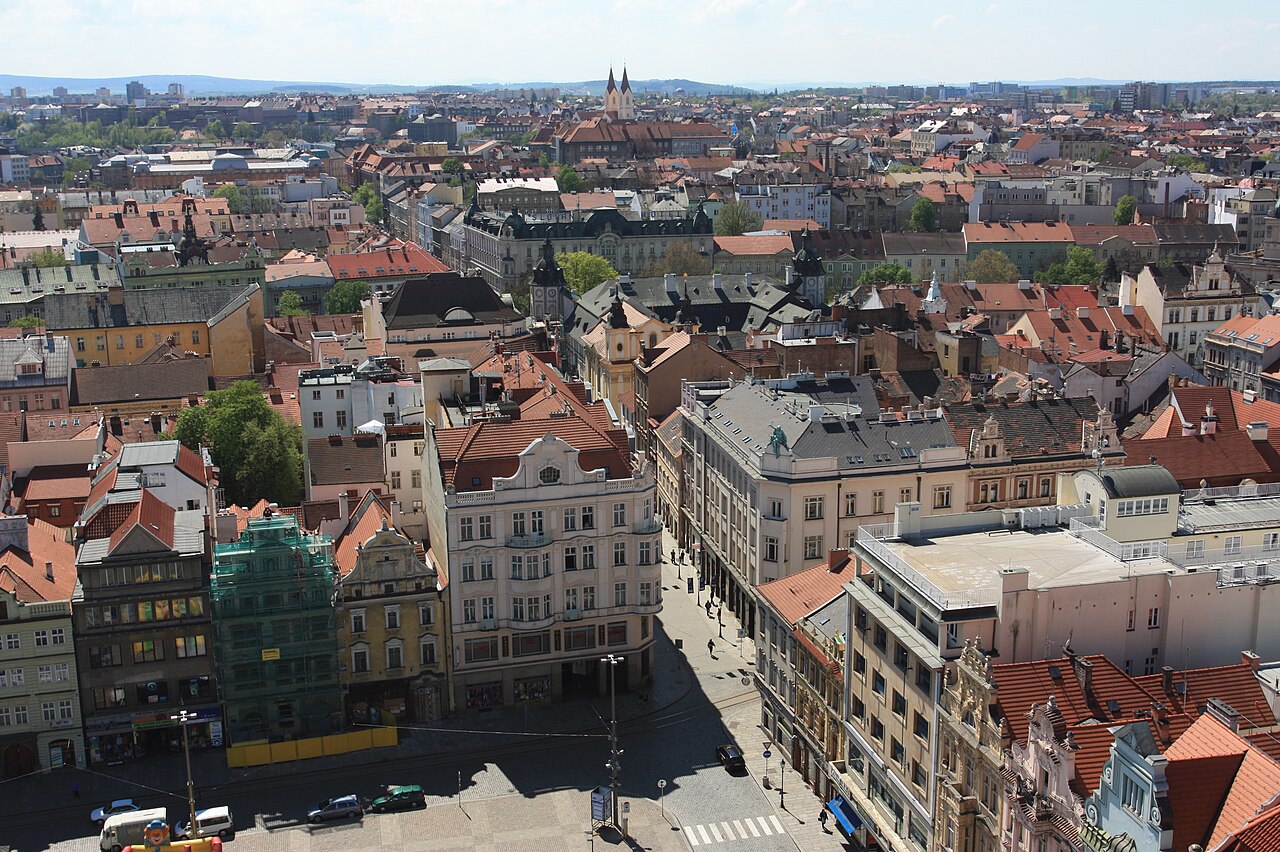
Image credit: Image: Евгений Благодарный / Wikimedia Commons, CC BY-SA 2.5
Czechia / Central Europe
Use the Plzeň profile to compare cost framing, transport access, industrial-base context, and country-level intelligence alongside Prague and České Budějovice.
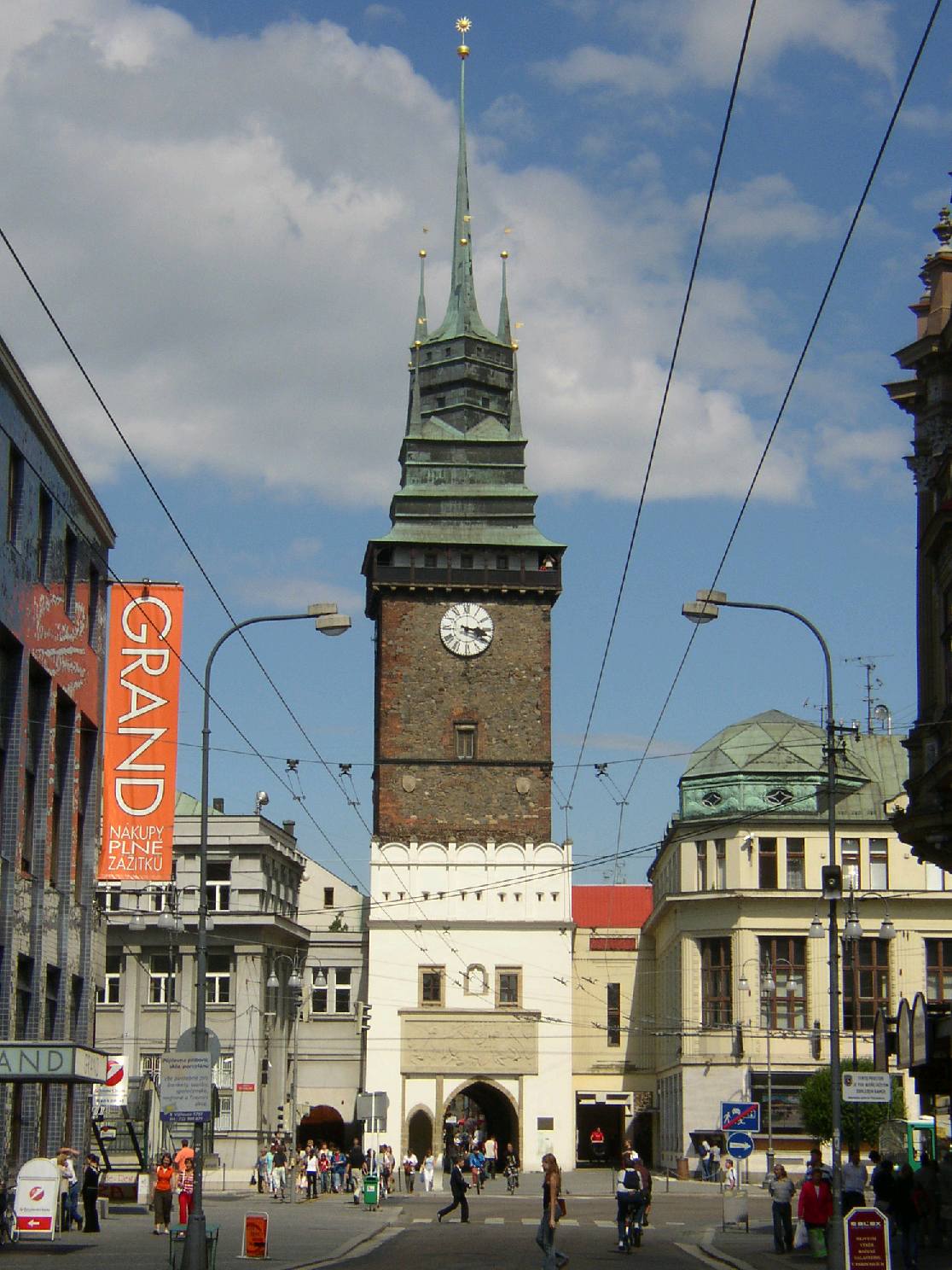
Image credit: Image: Miaow Miaow / Wikimedia Commons, CC BY-SA 3.0
Czechia / Central Europe
Use the Pardubice profile to compare cost framing, transport access, industrial-base context, and country-level intelligence alongside Hradec Králové and Prague.

Image credit: Image: ŠJů / Wikimedia Commons, CC BY 4.0
Czechia / Central Europe
Use the Zlín profile to compare cost framing, transport access, industrial-base context, and country-level intelligence alongside Brno and Olomouc.

Image credit: Image: SchiDD / Wikimedia Commons, CC BY-SA 4.0
Czechia / Central Europe
Use the Ústí nad Labem profile to compare cost framing, transport access, and air-quality context alongside Prague, Pilsen, and other Czech regional centers.

Image credit: Image: Lukáš Kalista / Wikimedia Commons, CC BY-SA 3.0
Czechia / Central Europe
Use the Hradec Králové profile to compare cost framing, transport access, and healthcare framing alongside Prague, Brno, and Olomouc.

Image credit: Image: Deror_avi / Wikimedia Commons, CC BY-SA 4.0
Czechia / Central Europe
Prague is most useful for users comparing affordability, services, and connectivity in Central Europe against air-quality and energy-transition needs.

Image credit: Image: Harold / Wikimedia Commons, CC BY-SA 3.0
Czechia / Central Europe
Use the Brno profile to compare cost framing, transport access, and country-level intelligence alongside Prague and Bratislava.

Image credit: Image: Lukáš Mižoch / Wikimedia Commons, CC BY 3.0
Czechia / Central Europe
Use the Ostrava profile to compare cost framing, transport access, air-quality context, and country-level intelligence alongside Brno and Katowice.

Image credit: Image: Olmütz_hauptplatz.JPG: Dominik Tefert. The original uploader was Dominik.Tefert at German Wikipedia. derivative work: Millenium187 / Wikimedia Commons, Public domain
Czechia / Moravia
Use this record as a planning anchor for local-first research and nearby weekend-rest discovery, verifying access, transport, and seasonal context with official sources.

Image credit: Image: rboed* / Wikimedia Commons, CC BY 2.0
Czechia / Bohemia
Use this record as a planning anchor for local-first research and nearby weekend-rest discovery, verifying access, transport, and seasonal context with official sources.

Image credit: Image: No machine-readable author provided. Thalion77~commonswiki assumed (based on copyright claims). / Wikimedia Commons, CC BY-SA 2.5
Czechia / Liberec Region
Consider this entry a planning anchor for local-first research and nearby weekend-rest discovery, confirming mountain access, transport, and seasonal conditions with official sources before travel.

Image credit: Image: Pavel Rychtecký / Wikimedia Commons, CC BY 3.0
Czechia / South Bohemian Region
Use this entry as a planning anchor for local-first research and nearby weekend-rest discovery, verifying transport, river access, and seasonal details with official sources before travel.

Image credit: Image: Draceane / Wikimedia Commons, CC BY-SA 4.0
Czechia / Central Europe
Use the Kladno profile to compare affordability, livability, and economic indicators against other indexed cities in Czechia and across Central Europe, and to explore nearby nature and weekend destinations.

Image credit: Image: Tedmek / Wikimedia Commons, Public domain
Czechia / Central Europe
Use the Havířov profile to compare affordability, livability, and economic indicators against other indexed cities in Czechia and across Central Europe, and to explore nearby nature and weekend destinations.

Image credit: Image: DavidusWikipedista / Wikimedia Commons, CC BY-SA 4.0
Czechia / Central Europe
Use the Most profile to compare affordability, livability, and economic indicators against other indexed cities in Czechia and across Central Europe, and to explore nearby nature and weekend destinations.

Image credit: Image: Daniel Baránek / Wikimedia Commons, CC BY-SA 4.0
Czechia / Central Europe
Use the Opava profile to compare affordability, livability, and economic indicators against other indexed cities in Czechia and across Central Europe, and to explore nearby nature and weekend destinations.
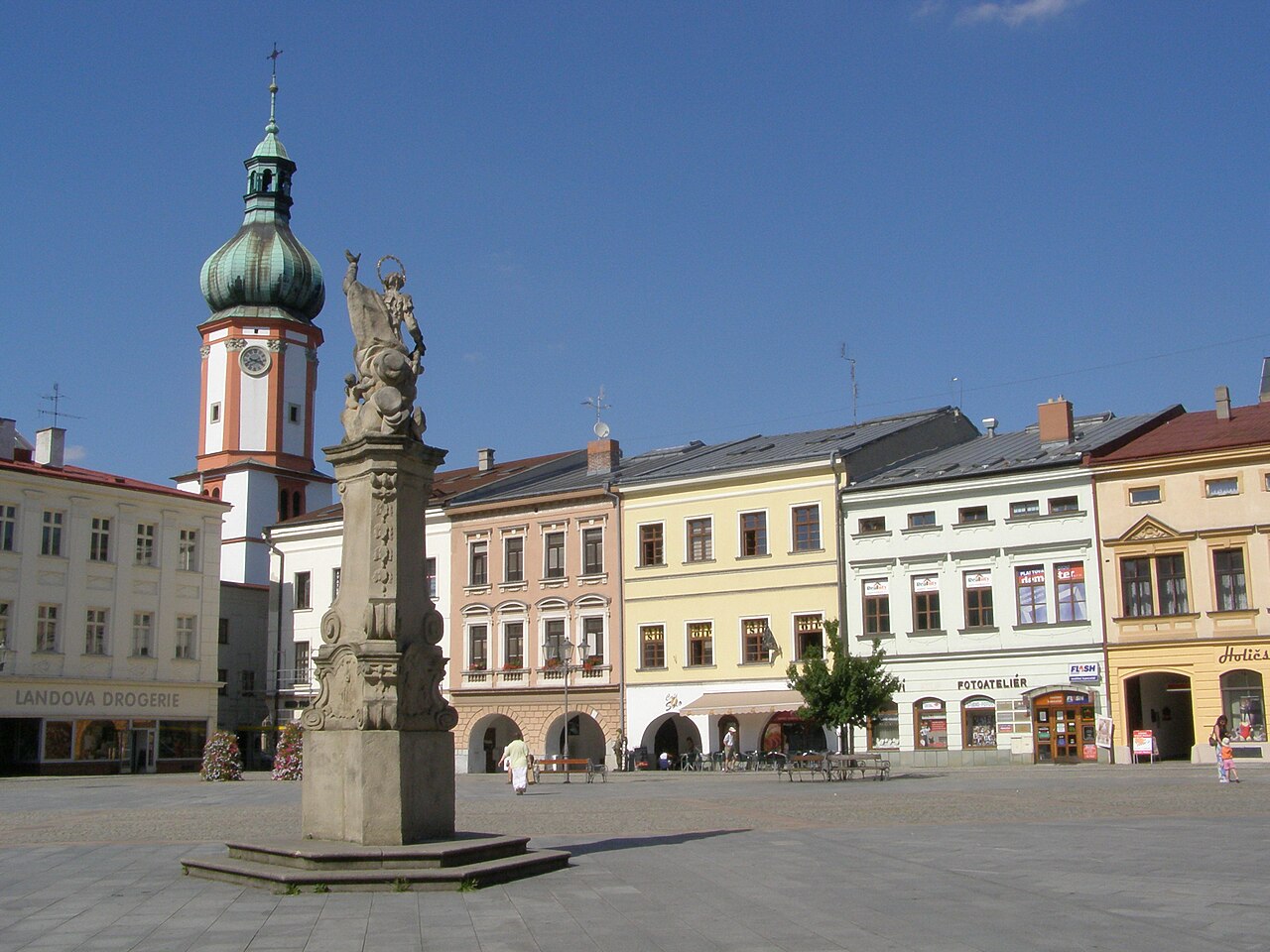
Image credit: Image: Daniel Baránek / Wikimedia Commons, CC BY-SA 3.0
Czechia / Central Europe
Use the Frýdek-Místek profile to compare affordability, livability, and economic indicators against other indexed cities in Czechia and across Central Europe, and to explore nearby nature and weekend destinations.
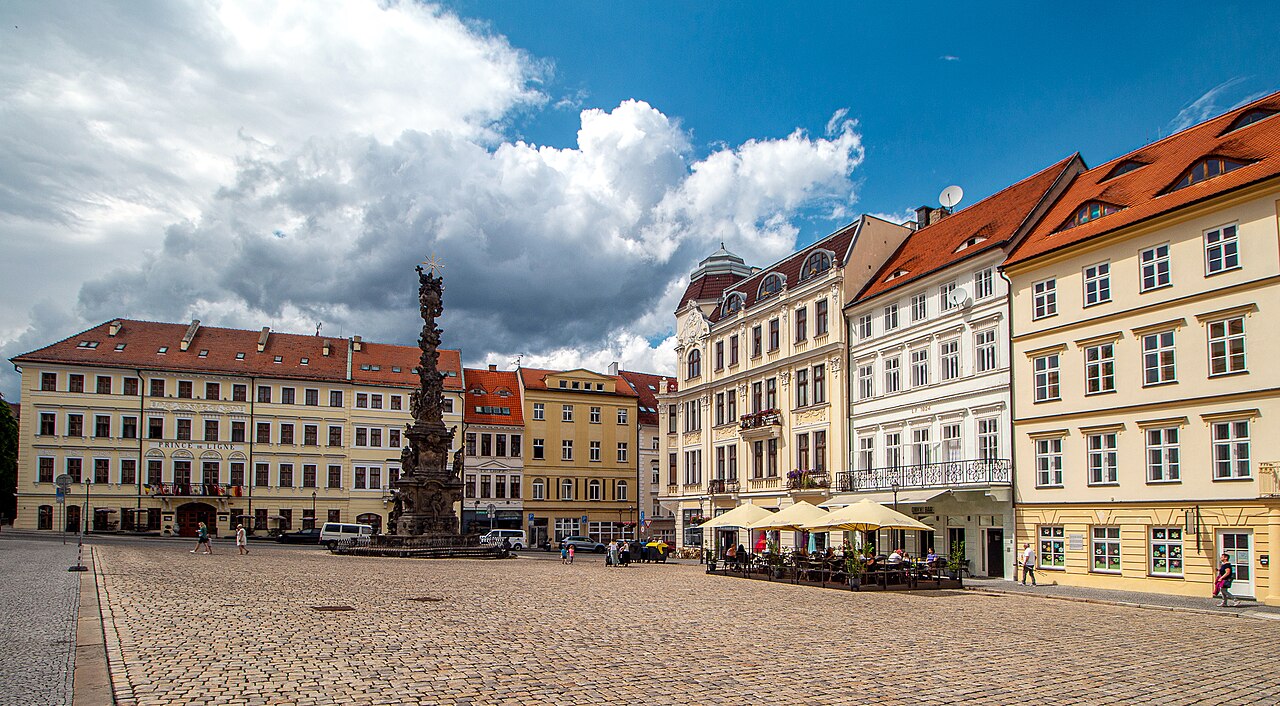
Image credit: Image: VitVit / Wikimedia Commons, CC BY-SA 4.0
Czechia / Central Europe
Use the Teplice profile to compare affordability, livability, and economic indicators against other indexed cities in Czechia and across Central Europe, and to explore nearby nature and weekend destinations.

Image credit: Image: Hons084 / Wikimedia Commons, CC BY-SA 4.0
Czechia / Central Europe
Use the Karviná profile to compare affordability, livability, and economic indicators against other indexed cities in Czechia and across Central Europe, and to explore nearby nature and weekend destinations.

Image credit: Image: Michaela zemlickova / Wikimedia Commons, CC BY-SA 4.0
Czechia / Central Europe
Use the Mladá Boleslav profile to compare affordability, livability, and economic indicators against other indexed cities in Czechia and across Central Europe, and to explore nearby nature and weekend destinations.

Image credit: Image: Pavel Kinšt / Wikimedia Commons, CC BY-SA 3.0
Czechia / Central Europe
Use the Chomutov profile to compare affordability, livability, and economic indicators against other indexed cities in Czechia and across Central Europe, and to explore nearby nature and weekend destinations.

Image credit: Image: Palickap / Wikimedia Commons, CC BY-SA 4.0
Czechia / Central Europe
Use the Prostějov profile to compare affordability, livability, and economic indicators against other indexed cities in Czechia and across Central Europe, and to explore nearby nature and weekend destinations.

Image credit: Image: Jiří Komárek / Wikimedia Commons, CC BY-SA 4.0
Czechia / Central Europe
Use the Přerov profile to compare affordability, livability, and economic indicators against other indexed cities in Czechia and across Central Europe, and to explore nearby nature and weekend destinations.

Image credit: Image: VitVit / Wikimedia Commons, Public domain
Czechia / Central Europe
Use the Česká Lípa profile to compare affordability, livability, and economic indicators against other indexed cities in Czechia and across Central Europe, and to explore nearby nature and weekend destinations.
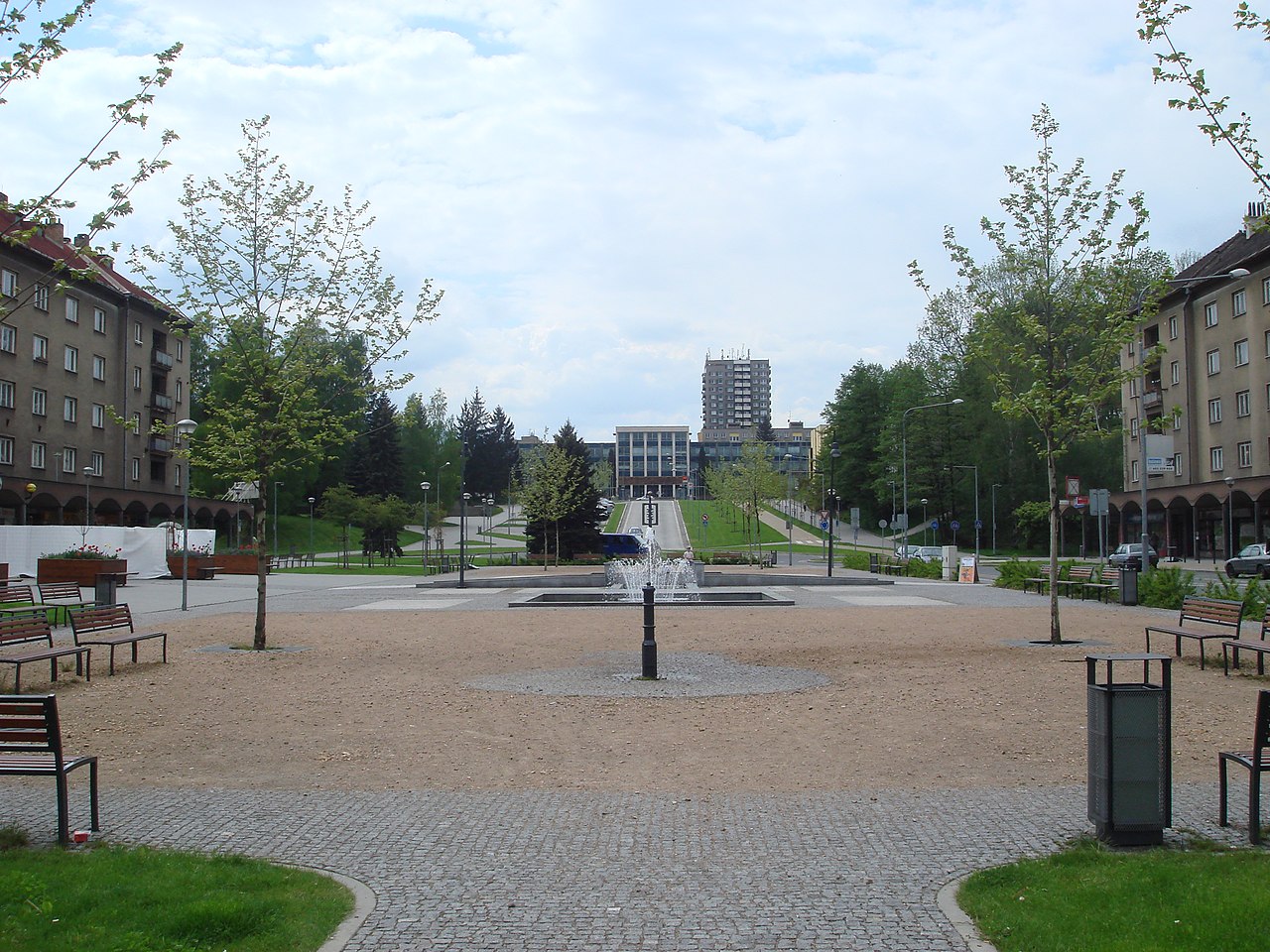
Image credit: Image: Ondřej Žváček / Wikimedia Commons, CC BY 2.5
Czechia / Central Europe
Use the Třinec profile to compare affordability, livability, and economic indicators against other indexed cities in Czechia and across Central Europe, and to explore nearby nature and weekend destinations.

Image credit: Image: Miroslav Langer / Wikimedia Commons, CC BY-SA 3.0
Czechia / Central Europe
Use the Příbram profile to compare affordability, livability, and economic indicators against other indexed cities in Czechia and across Central Europe, and to explore nearby nature and weekend destinations.

Image credit: Image: Miloslav Rejha / Wikimedia Commons, CC BY 4.0
Czechia / Central Europe
Use the Jablonec nad Nisou profile to compare affordability, livability, and economic indicators against other indexed cities in Czechia and across Central Europe, and to explore nearby nature and weekend destinations.

Image credit: Image: Nostrifikator / Wikimedia Commons, CC BY-SA 3.0
Czechia / Central Europe
Use the Třebíč profile to compare affordability, livability, and economic indicators against other indexed cities in Czechia and across Central Europe, and to explore nearby nature and weekend destinations.
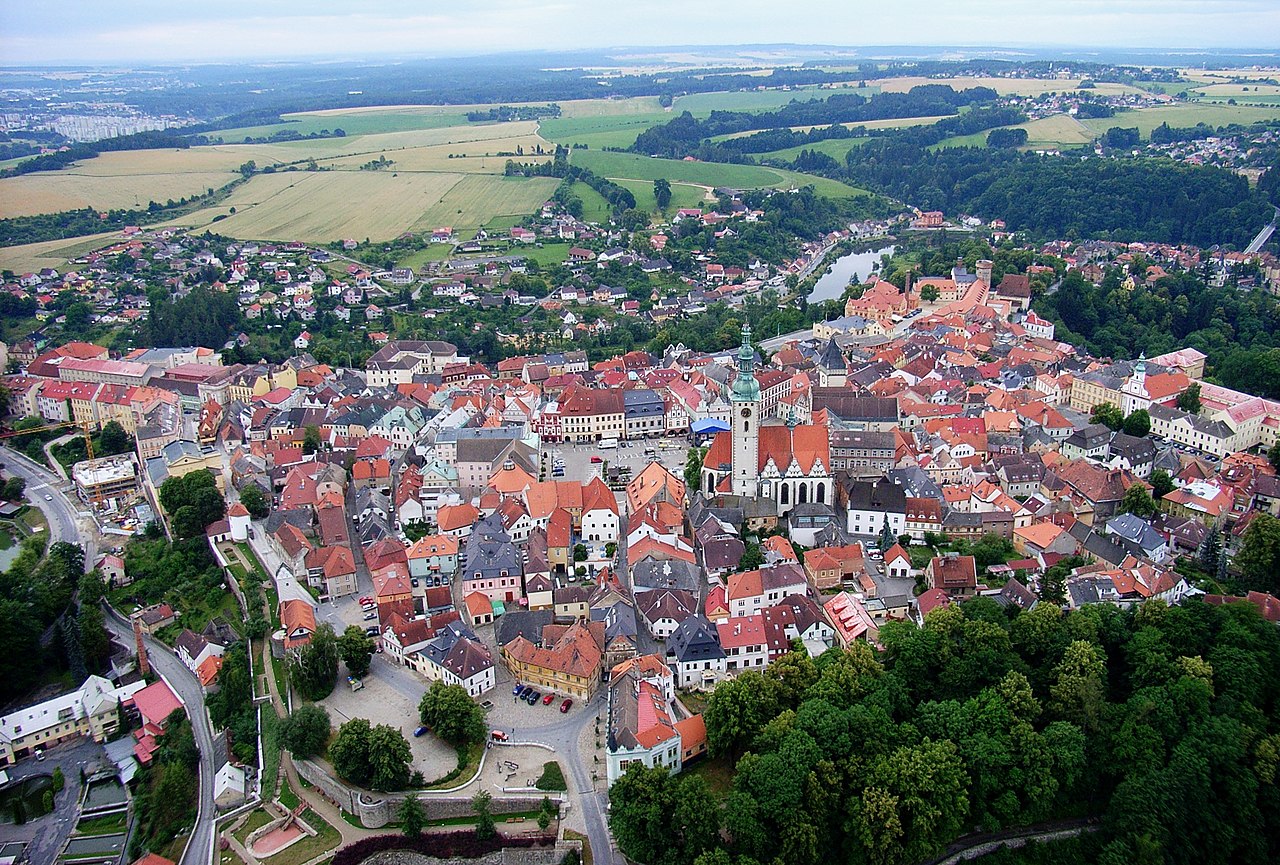
Image credit: Image: Rudolf Kukačka / Wikimedia Commons, Public domain
Czechia / Central Europe
Use the Tábor profile to compare affordability, livability, and economic indicators against other indexed cities in Czechia and across Central Europe, and to explore nearby nature and weekend destinations.

Image credit: Image: RomanM82 / Wikimedia Commons, CC BY-SA 3.0
Czechia / Central Europe
Use the Znojmo profile to compare affordability, livability, and economic indicators against other indexed cities in Czechia and across Central Europe, and to explore nearby nature and weekend destinations.

Image credit: Image: Asuxik / Wikimedia Commons, CC BY-SA 4.0
Czechia / Central Europe
Use the Kolín profile to compare affordability, livability, and economic indicators against other indexed cities in Czechia and across Central Europe, and to explore nearby nature and weekend destinations.

Image credit: Image: Xth-Floor / Wikimedia Commons, CC BY-SA 4.0
Czechia / Central Europe
Use the Český Krumlov profile to compare affordability, livability, and economic indicators against other indexed cities in Czechia and across Central Europe, and to explore nearby nature and weekend destinations.

Image credit: Image: Laima Gūtmane (simka… / Wikimedia Commons, CC BY-SA 3.0
Czechia / Central Europe
Use the Kutná Hora profile to compare affordability, livability, and economic indicators against other indexed cities in Czechia and across Central Europe, and to explore nearby nature and weekend destinations.

Image credit: Image: Jan Sokol / Wikimedia Commons, CC BY-SA 3.0
Czechia / Central Europe
Use the Cheb profile to compare affordability, livability, and economic indicators against other indexed cities in Czechia and across Central Europe, and to explore nearby nature and weekend destinations.

Image credit: Image: VitVit / Wikimedia Commons, CC BY-SA 4.0
Czechia / Central Europe
Use the Kroměříž profile to compare affordability, livability, and economic indicators against other indexed cities in Czechia and across Central Europe, and to explore nearby nature and weekend destinations.

Image credit: Image: Chmee2 / Wikimedia Commons, CC BY 3.0
Czechia / Central Europe
Use the Písek profile to compare affordability, livability, and economic indicators against other indexed cities in Czechia and across Central Europe, and to explore nearby nature and weekend destinations.

Image credit: Image: Radek Linner / Wikimedia Commons, CC BY-SA 3.0
Czechia / Central Europe
Use the Břeclav profile to compare affordability, livability, and economic indicators against other indexed cities in Czechia and across Central Europe, and to explore nearby nature and weekend destinations.

Image credit: Image: Koroner / Wikimedia Commons, CC BY-SA 3.0
Czechia / Central Europe
Use the Trutnov profile to compare affordability, livability, and economic indicators against other indexed cities in Czechia and across Central Europe, and to explore nearby nature and weekend destinations.

Image credit: Image: VitVit / Wikimedia Commons, CC BY-SA 4.0
Czechia / Central Europe
Use the Mělník profile to compare affordability, livability, and economic indicators against other indexed cities in Czechia and across Central Europe, and to explore nearby nature and weekend destinations.

Image credit: Image: RostislavŠubert / Wikimedia Commons, CC BY-SA 3.0
Czechia / Central Europe
Use the Šumperk profile to compare affordability, livability, and economic indicators against other indexed cities in Czechia and across Central Europe, and to explore nearby nature and weekend destinations.
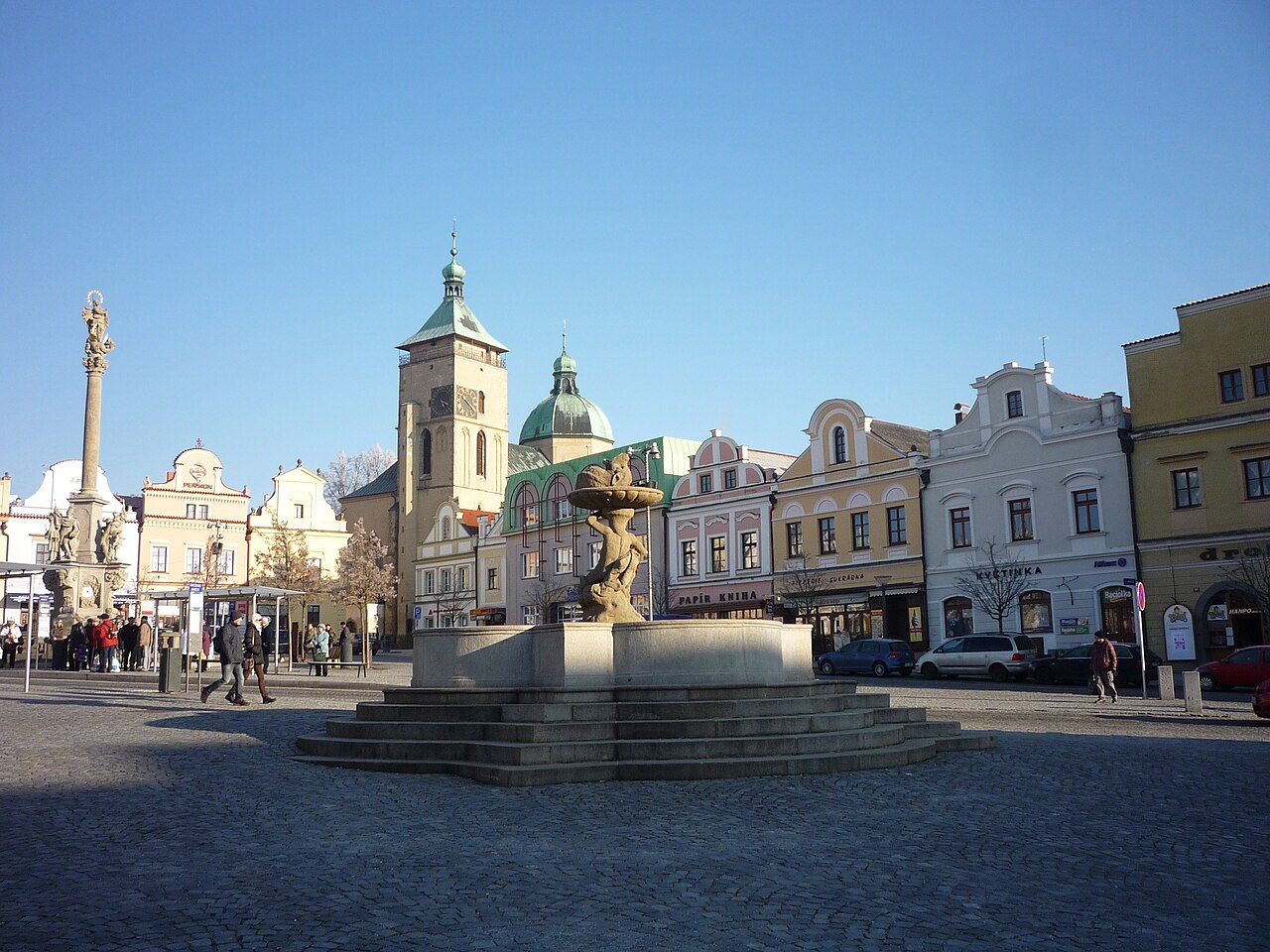
Image credit: Image: Pohled 111 / Wikimedia Commons, CC BY-SA 4.0
Czechia / Central Europe
Use the Havlíčkův Brod profile to compare affordability, livability, and economic indicators against other indexed cities in Czechia and across Central Europe, and to explore nearby nature and weekend destinations.

Image credit: Image: Wector.sector / Wikimedia Commons, CC BY-SA 4.0
Czechia / Central Europe
Use the Litoměřice profile to compare affordability, livability, and economic indicators against other indexed cities in Czechia and across Central Europe, and to explore nearby nature and weekend destinations.

Image credit: Image: Palickap / Wikimedia Commons, CC BY-SA 4.0
Czechia / Central Europe
Use the Uherské Hradiště profile to compare affordability, livability, and economic indicators against other indexed cities in Czechia and across Central Europe, and to explore nearby nature and weekend destinations.

Image credit: Image: Ondřej Žváček / Wikimedia Commons, CC BY 2.5
Czechia / Central Europe
Use the Český Těšín profile to compare affordability, livability, and economic indicators against other indexed cities in Czechia and across Central Europe, and to explore nearby nature and weekend destinations.

Image credit: Image: Petr1868 / Wikimedia Commons, CC BY-SA 3.0
Czechia / Central Europe
Use the Benešov profile to compare affordability, livability, and economic indicators against other indexed cities in Czechia and across Central Europe, and to explore nearby nature and weekend destinations.

Image credit: Image: LenkaSvasek / Wikimedia Commons, CC BY-SA 4.0
Czechia / Central Europe
Use the Mariánské Lázně profile to compare affordability, livability, and economic indicators against other indexed cities in Czechia and across Central Europe, and to explore nearby nature and weekend destinations.

Image credit: Image: VitVit / Wikimedia Commons, CC BY-SA 4.0
Czechia / Central Europe
Use the Beroun profile to compare affordability, livability, and economic indicators against other indexed cities in Czechia and across Central Europe, and to explore nearby nature and weekend destinations.

Image credit: Image: SchiDD / Wikimedia Commons, CC BY-SA 4.0
Czechia / Central Europe
Use the Nový Jičín profile to compare affordability, livability, and economic indicators against other indexed cities in Czechia and across Central Europe, and to explore nearby nature and weekend destinations.
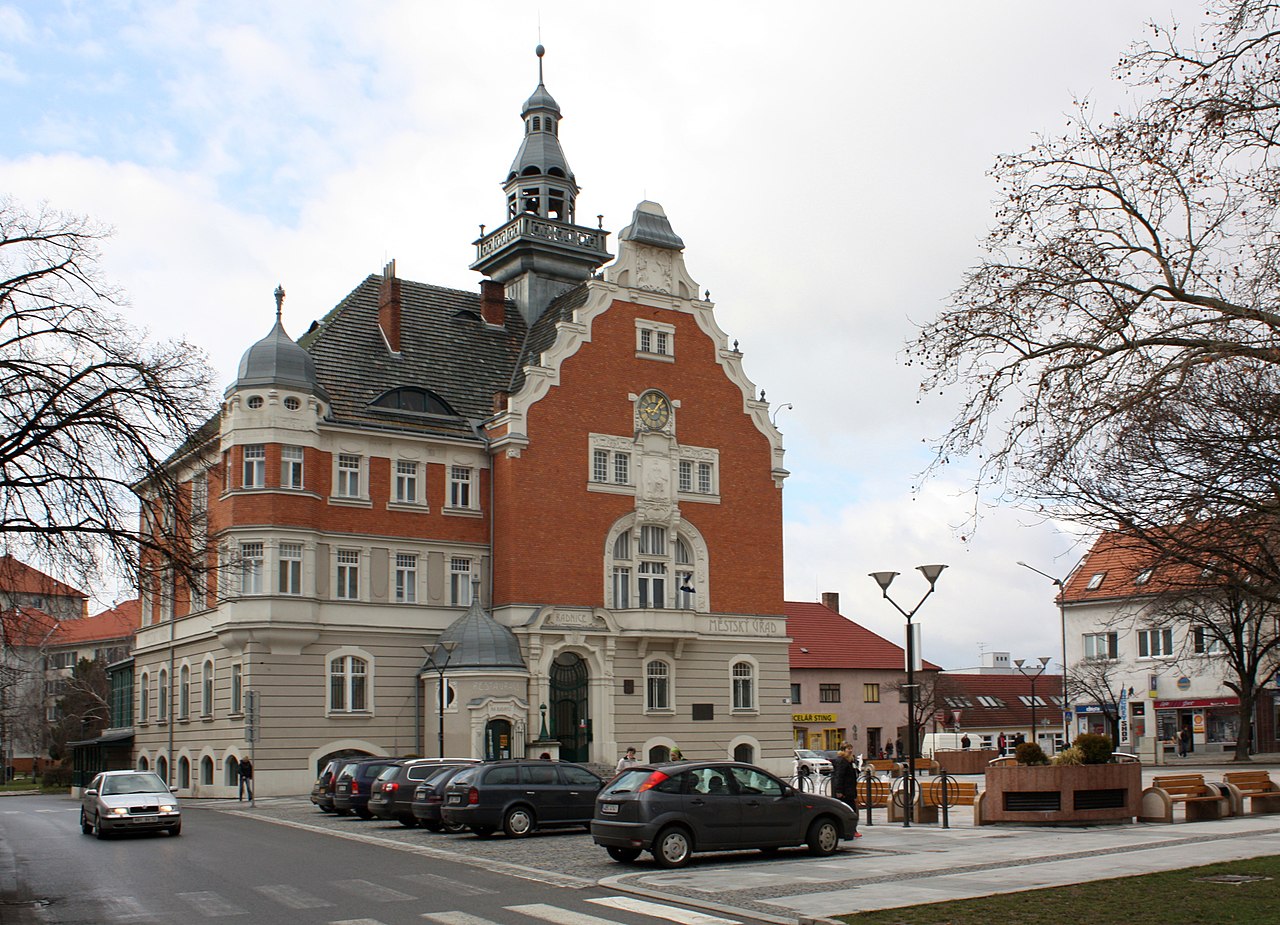
Image credit: Image: This / Wikimedia Commons, CC BY-SA 3.0
Czechia / Central Europe
Use the Hodonín profile to compare affordability, livability, and economic indicators against other indexed cities in Czechia and across Central Europe, and to explore nearby nature and weekend destinations.

Image credit: Image: Czech Wikipedia user Marzper / Wikimedia Commons, CC BY 3.0
Czechia / Central Europe
Use the Vsetín profile to compare affordability, livability, and economic indicators against other indexed cities in Czechia and across Central Europe, and to explore nearby nature and weekend destinations.

Image credit: Image: Zdeněk Fiedler / Wikimedia Commons, CC BY-SA 3.0
Czechia / Central Europe
Use the Nymburk profile to compare affordability, livability, and economic indicators against other indexed cities in Czechia and across Central Europe, and to explore nearby nature and weekend destinations.

Image credit: Image: Kozuch / Wikimedia Commons, CC BY-SA 3.0
Czechia / Central Europe
Use the Náchod profile to compare affordability, livability, and economic indicators against other indexed cities in Czechia and across Central Europe, and to explore nearby nature and weekend destinations.

Image credit: Image: Harold / Wikimedia Commons, CC BY-SA 3.0
Czechia / Central Europe
Use the Chrudim profile to compare affordability, livability, and economic indicators against other indexed cities in Czechia and across Central Europe, and to explore nearby nature and weekend destinations.

Image credit: Image: David Paloch ( User:Caroig ) / Wikimedia Commons, CC BY-SA 3.0
Czechia / Central Europe
Use the Jičín profile to compare affordability, livability, and economic indicators against other indexed cities in Czechia and across Central Europe, and to explore nearby nature and weekend destinations.

Image credit: Image: Herbert Frank from Wien (Vienna), AT / Wikimedia Commons, CC BY 2.0
Czechia / Central Europe
Use the Jindřichův Hradec profile to compare affordability, livability, and economic indicators against other indexed cities in Czechia and across Central Europe, and to explore nearby nature and weekend destinations.

Image credit: Image: Adámoz / Wikimedia Commons, CC BY-SA 4.0
Czechia / Central Europe
Use the Strakonice profile to compare affordability, livability, and economic indicators against other indexed cities in Czechia and across Central Europe, and to explore nearby nature and weekend destinations.

Image credit: Image: Herbert Frank from Wien (Vienna), AT / Wikimedia Commons, CC BY 2.0
Czechia / Central Europe
Use the Žďár nad Sázavou profile to compare affordability, livability, and economic indicators against other indexed cities in Czechia and across Central Europe, and to explore nearby nature and weekend destinations.

Image credit: Image: Lubor Ferenc / Wikimedia Commons, CC BY-SA 4.0
Czechia / Central Europe
Use the Sokolov profile to compare affordability, livability, and economic indicators against other indexed cities in Czechia and across Central Europe, and to explore nearby nature and weekend destinations.

Image credit: Image: Pan Hyde / Wikimedia Commons, CC BY-SA 3.0
Czechia / Central Europe
Use the Blansko profile to compare affordability, livability, and economic indicators against other indexed cities in Czechia and across Central Europe, and to explore nearby nature and weekend destinations.

Image credit: Image: Debaku / Wikimedia Commons, Public Domain
Czechia / Central Europe
Use the Kopřivnice profile to compare affordability, livability, and economic indicators against other indexed cities in Czechia and across Central Europe, and to explore nearby nature and weekend destinations.
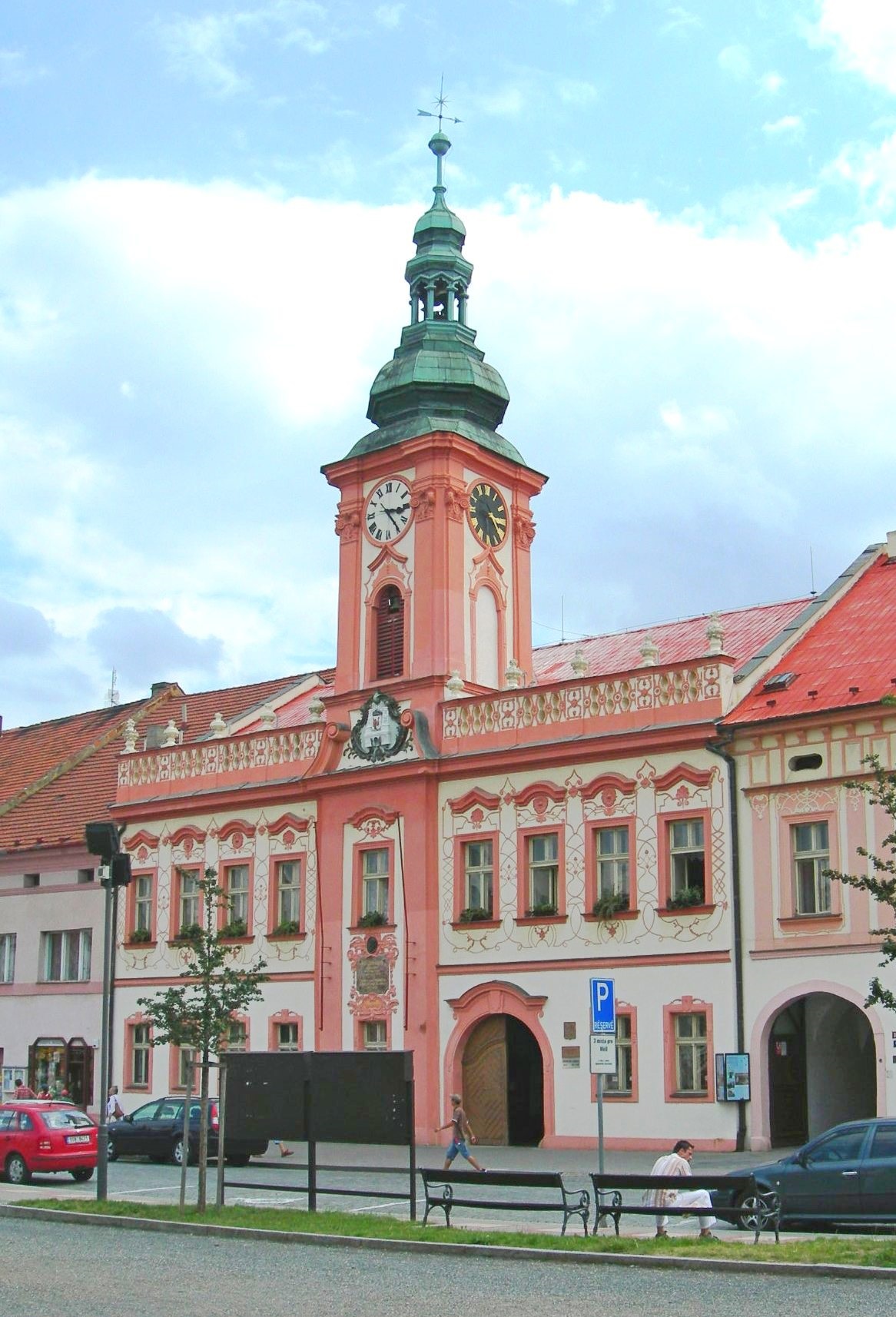
Image credit: Image: Jan Sokol / Wikimedia Commons, CC BY-SA 3.0
Czechia / Central Europe
Use the Rakovník profile to compare affordability, livability, and economic indicators against other indexed cities in Czechia and across Central Europe, and to explore nearby nature and weekend destinations.

Image credit: Image: MOs810 / Wikimedia Commons, CC BY-SA 4.0
Czechia / Central Europe
Use the Tachov profile to compare affordability, livability, and economic indicators against other indexed cities in Czechia and across Central Europe, and to explore nearby nature and weekend destinations.
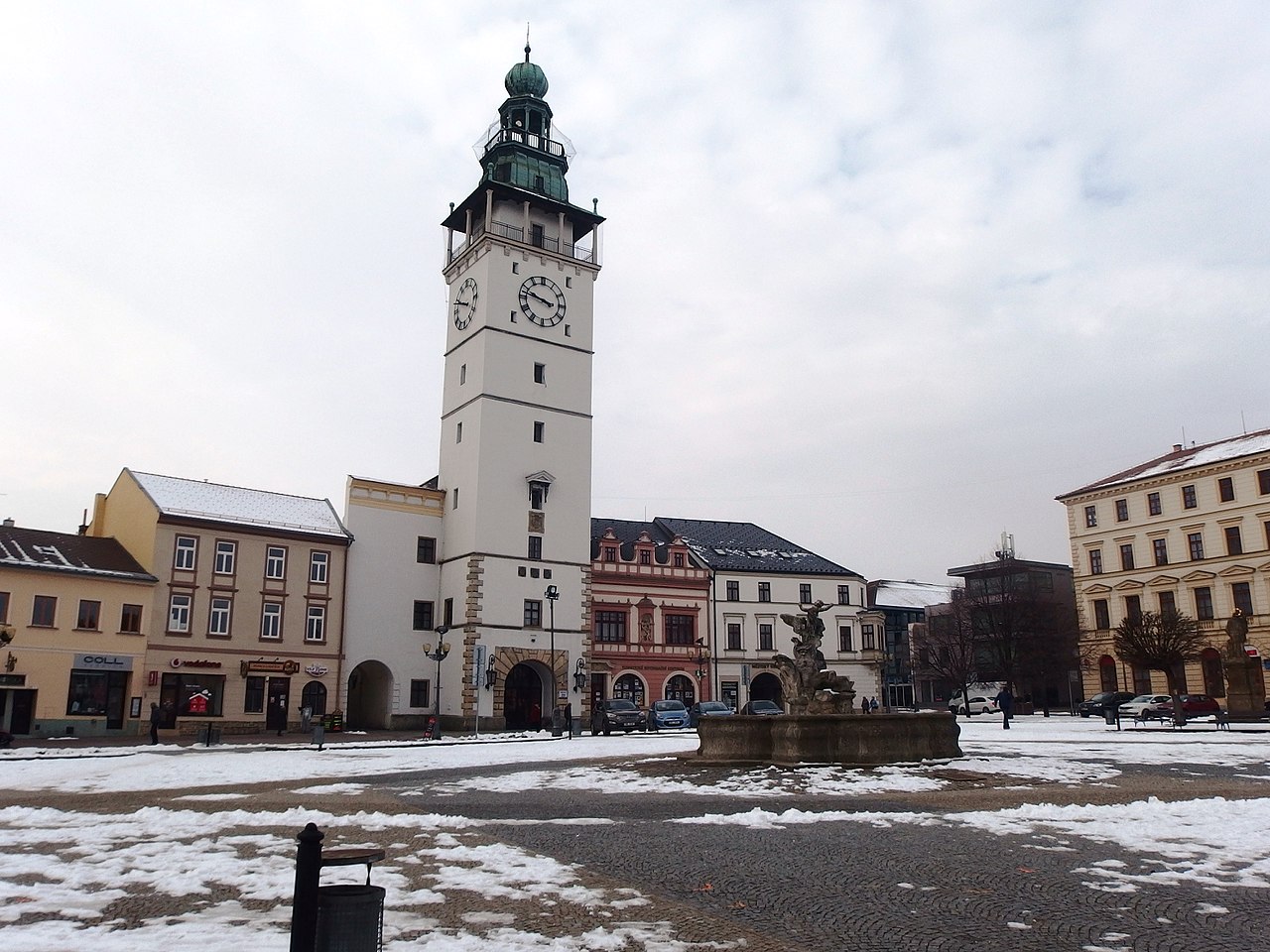
Image credit: Image: Palickap / Wikimedia Commons, CC BY-SA 4.0
Czechia / Central Europe
Use the Vyškov profile to compare affordability, livability, and economic indicators against other indexed cities in Czechia and across Central Europe, and to explore nearby nature and weekend destinations.

Image credit: Image: Pudelek / Wikimedia Commons, CC BY-SA 4.0
Czechia / Central Europe
Use the Bruntál profile to compare affordability, livability, and economic indicators against other indexed cities in Czechia and across Central Europe, and to explore nearby nature and weekend destinations.

Image credit: Image: Zdeněk Sedláček / Wikimedia Commons, CC BY 3.0
Czechia / Central Europe
Use the Aš profile to compare affordability, livability, and economic indicators against other indexed cities in Czechia and across Central Europe, and to explore nearby nature and weekend destinations.

Image credit: Image: SchiDD / Wikimedia Commons, CC BY-SA 4.0
Czechia / Central Europe
Use the Domažlice profile to compare affordability, livability, and economic indicators against other indexed cities in Czechia and across Central Europe, and to explore nearby nature and weekend destinations.
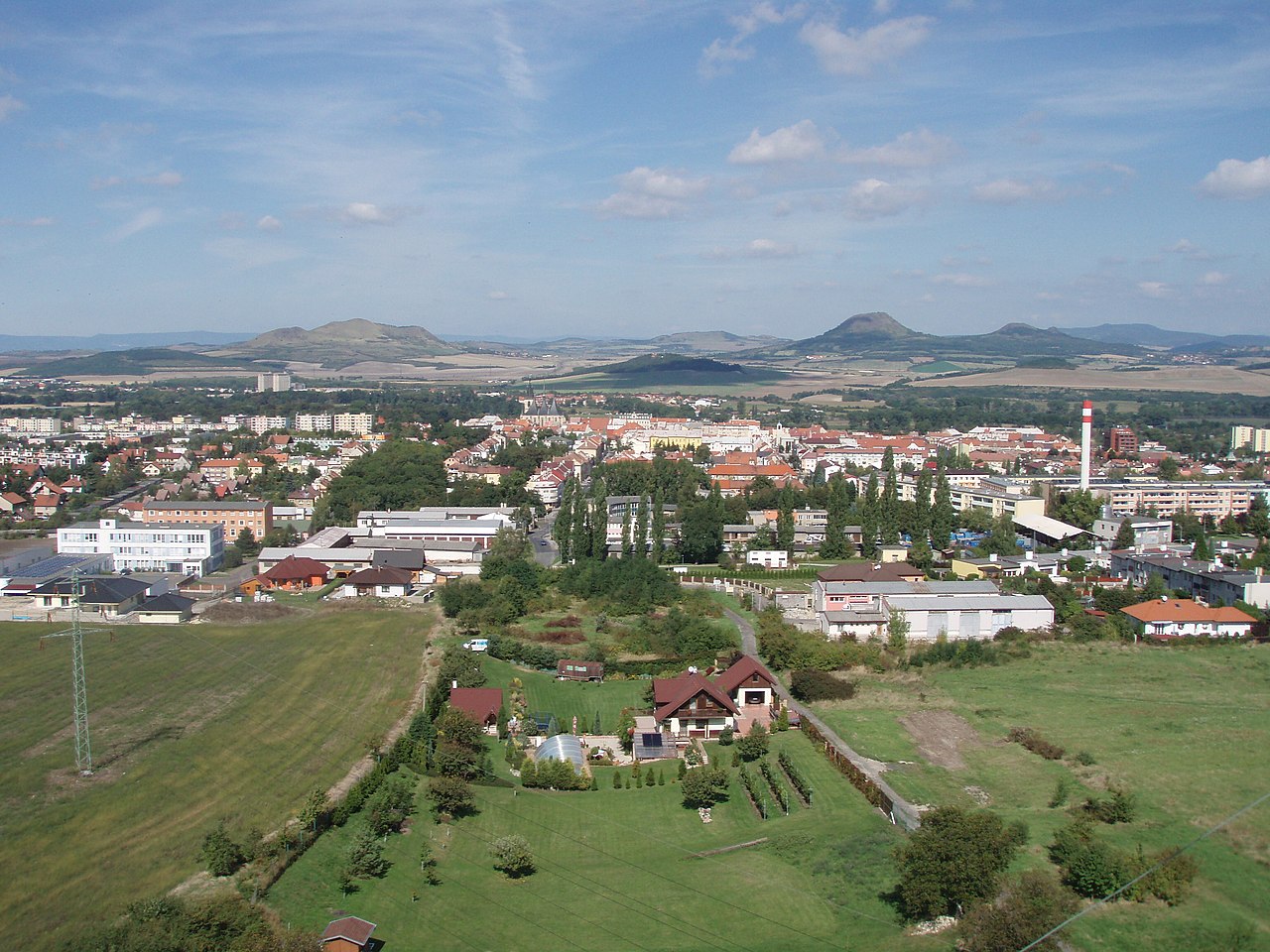
Image credit: Image: Palu / Wikimedia Commons, CC BY-SA 3.0
Czechia / Central Europe
Use the Louny profile to compare affordability, livability, and economic indicators against other indexed cities in Czechia and across Central Europe, and to explore nearby nature and weekend destinations.

Image credit: Image: Juandev / Wikimedia Commons, CC BY-SA 3.0
Czechia / Central Europe
Use the Pelhřimov profile to compare affordability, livability, and economic indicators against other indexed cities in Czechia and across Central Europe, and to explore nearby nature and weekend destinations.

Image credit: Image: Vojtasekd / Wikimedia Commons, CC BY 4.0
Czechia / Central Europe
Use the Prachatice profile to compare affordability, livability, and economic indicators against other indexed cities in Czechia and across Central Europe, and to explore nearby nature and weekend destinations.

Image credit: Image: Radek Bartoš / Wikimedia Commons, CC BY 2.5
Czechia / Central Europe
Use the Ústí nad Orlicí profile to compare affordability, livability, and economic indicators against other indexed cities in Czechia and across Central Europe, and to explore nearby nature and weekend destinations.

Image credit: Image: JAn Dudík / Wikimedia Commons, CC BY-SA 3.0
Czechia / Central Europe
Use the Rokycany profile to compare affordability, livability, and economic indicators against other indexed cities in Czechia and across Central Europe, and to explore nearby nature and weekend destinations.

Image credit: Image: Karelj / Wikimedia Commons, Public Domain
Czechia / Central Europe
Use the Rychnov nad Kněžnou profile to compare affordability, livability, and economic indicators against other indexed cities in Czechia and across Central Europe, and to explore nearby nature and weekend destinations.

Image credit: Image: Wolkenkratzer / Wikimedia Commons, CC BY-SA 4.0
Czechia / Central Europe
Use the Vlašim profile to compare affordability, livability, and economic indicators against other indexed cities in Czechia and across Central Europe, and to explore nearby nature and weekend destinations.

Image credit: Image: Pudelek (Marcin Szala) / Wikimedia Commons, CC BY-SA 4.0
Czechia / Central Europe
Use the Šternberk profile to compare affordability, livability, and economic indicators against other indexed cities in Czechia and across Central Europe, and to explore nearby nature and weekend destinations.

Image credit: Image: VitVit / Wikimedia Commons, CC BY-SA 4.0
Czechia / Central Europe
Use the Vrchlabí profile to compare affordability, livability, and economic indicators against other indexed cities in Czechia and across Central Europe, and to explore nearby nature and weekend destinations.

Image credit: Image: User:AntOnTrack / Wikimedia Commons, CC BY-SA 3.0
Czechia / Central Europe
Use the Velké Meziříčí profile to compare affordability, livability, and economic indicators against other indexed cities in Czechia and across Central Europe, and to explore nearby nature and weekend destinations.
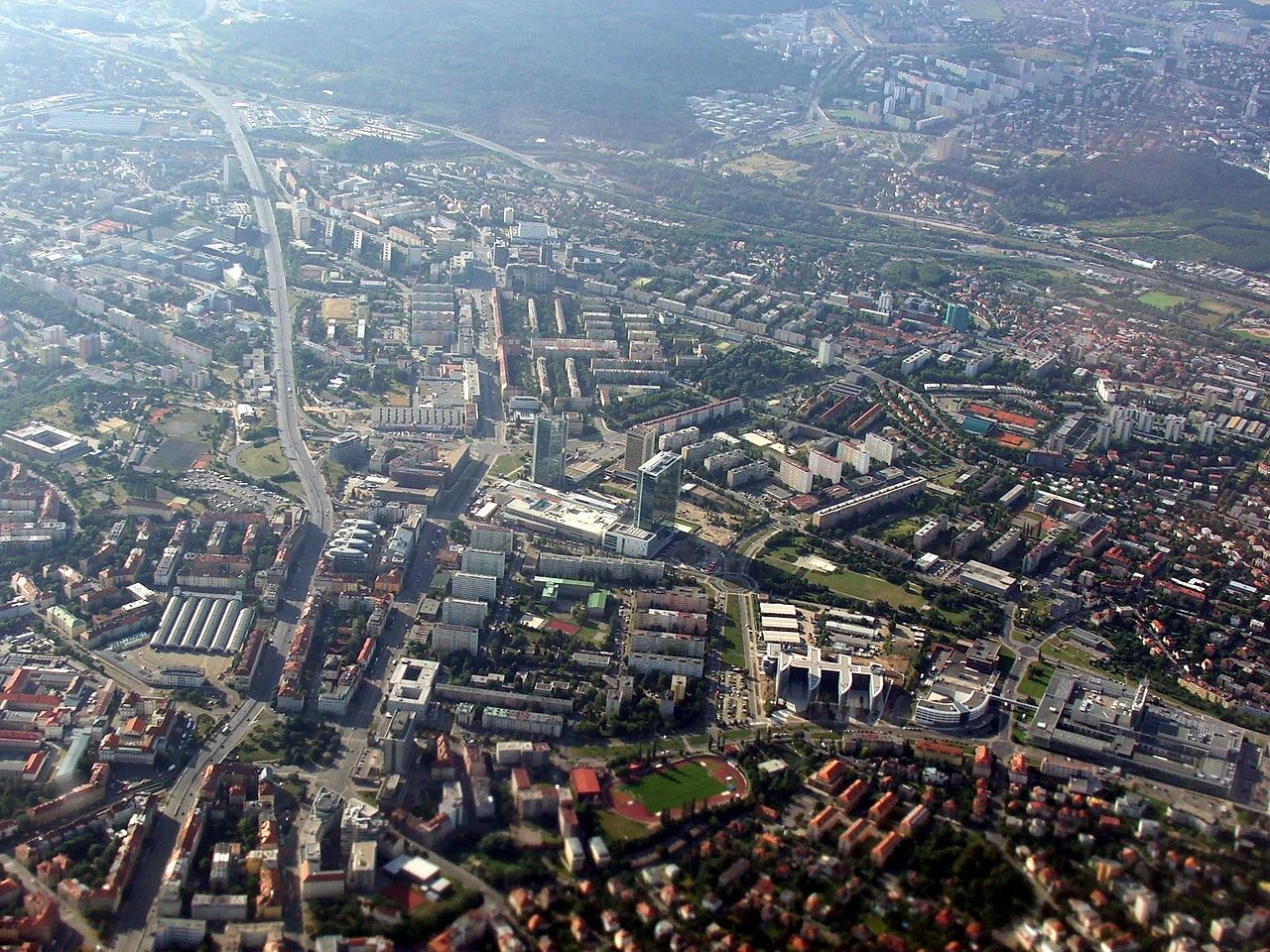
Image credit: Image: Hynek Moravec / Wikimedia Commons, CC BY 3.0
Czechia / Central Europe
Use the Prague 4 profile to compare affordability, livability, and economic indicators against other indexed cities in Czechia and across Central Europe, and to explore nearby nature and weekend destinations.
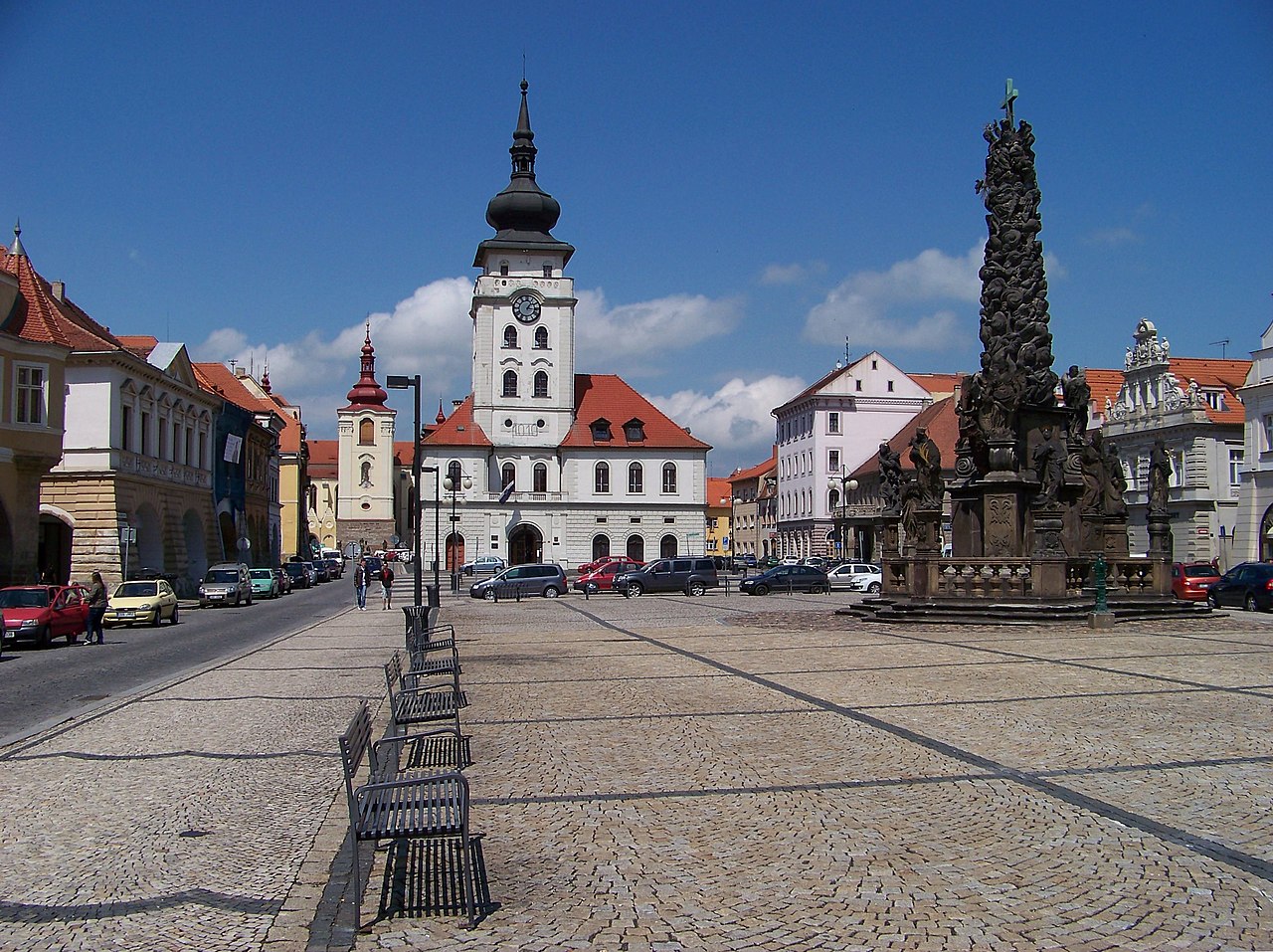
Image credit: Image: ŠJů / Wikimedia Commons, CC BY 4.0
Czechia / Central Europe
Use the Žatec profile to compare affordability, livability, and economic indicators against other indexed cities in Czechia and across Central Europe, and to explore nearby nature and weekend destinations.

Image credit: Image: Sefjo / Wikimedia Commons, CC BY-SA 3.0
Czechia / Central Europe
Use the Prague 6 profile to compare affordability, livability, and economic indicators against other indexed cities in Czechia and across Central Europe, and to explore nearby nature and weekend destinations.

Image credit: Image: Miraceti / Wikimedia Commons, CC BY-SA 3.0
Czechia / Central Europe
Use the Valašské Meziříčí profile to compare affordability, livability, and economic indicators against other indexed cities in Czechia and across Central Europe, and to explore nearby nature and weekend destinations.

Image credit: Image: Herbert Ortner , Vienna, Austria / Wikimedia Commons, CC BY 2.5
Czechia / Central Europe
Use the Krnov profile to compare affordability, livability, and economic indicators against other indexed cities in Czechia and across Central Europe, and to explore nearby nature and weekend destinations.
Source-attributed country-level indicators for Czechia, drawn from the World Bank Development Indicators. Use the cards and table together to compare scale, unit, and data year for each metric.
Country-level, not city-level
Indicators describe national context. Pair them with city profiles, comparisons, and verified utility layers (emergency, healthcare, transport) for local detail.
Source-attributed where available
Values come from the World Bank Development Indicators. Where no verified record exists, the platform shows a transparent fallback rather than a guessed number.
Different indicators, different years
Each record carries its own data year because publishers refresh indicators on their own cadence. The card and table both display the year alongside the value.
Context, not a ranking
Treat indicators as orientation, not as a leaderboard. The platform never claims any country is best, safest, cleanest, richest, healthiest, or most connected.
Read alongside city intelligence
Country indicators are most useful when combined with the city profiles in the country, the public-safety, healthcare, and transport sections, and the methodology and data-sources pages.
For full construction details, read the methodology page and the data sources registry.
National-level economic signals to read alongside city-level cost and services pages.
GDP per capita
VerifiedEconomic context only — not a cost-of-living score or a household-income measure.
Data year 2024 updated 2026-09-08
Unemployment rate
VerifiedModeled ILO labor-market context — not a guarantee of job availability for any specific worker.
Data year 2025 updated 2026-04-08
National scale and urbanisation context; pair with city profiles for local detail.
Population
VerifiedNational scale only — not a city population value or a measure of urban density.
Data year 2024 updated 2026-04-08
Urban population share
VerifiedShare of population living in urban areas — not a quality-of-life or urban-form measure.
Data year 2024 updated 2026-04-08
Connectivity context drawn from World Bank usage and subscription indicators.
Internet usage
VerifiedShare of population that uses the internet — not a measure of connection speed or quality.
Data year 2024 updated 2026-04-08
Fixed broadband subscriptions
VerifiedFixed broadband subscriptions per 100 people — not a measure of overall internet quality or speed.
Data year 2024 updated 2026-04-08
National health-system context; not a substitute for verified city-level healthcare layers.
Life expectancy
VerifiedNational health-context indicator — not individual health guidance.
Data year 2024 updated 2026-04-08
Health expenditure per capita
VerifiedPer-capita spending context — not a measure of healthcare quality or access for any individual.
Data year 2024 updated 2026-04-08
National emissions context; read separately from city-level air-quality data.
CO₂ emissions per capita
VerifiedNational emissions context — not a city-level air-quality measurement.
Data year 2024 updated 2026-04-08
| Indicator | Value | Unit | Data year | Status |
|---|---|---|---|---|
| Population | 10,905,028 | people | 2024 | Verified |
| Internet usage | 87.69 | percent | 2024 | Verified |
| Urban population share | 72.79 | percent | 2024 | Verified |
| GDP per capita | 31,827.76 | current US$ | 2024 | Verified |
| Life expectancy | 79.98 | years | 2024 | Verified |
| Health expenditure per capita | 2,692.76 | current US$ | 2024 | Verified |
| Unemployment rate | 2.83 | percent | 2025 | Verified |
| CO₂ emissions per capita | 7.13 | metric tons per capita | 2024 | Verified |
| Fixed broadband subscriptions | 38.87 | per 100 people | 2024 | Verified |
Global City Intelligence — country indicators dataset
VerifiedCountry indicator values appear in this section only after they are sourced from accepted publishers and validated at build time. Malformed records cannot ship to production.
Verified emergency contacts for Czechia, drawn from official emergency services and government publishers. Use these as a starting point and confirm current details with local authorities before traveling or relocating.
| Service | Number | Notes |
|---|---|---|
| European emergency | 11224/7 | 112 reaches police, fire, and ambulance dispatch across the European Union from any phone, free of charge. |
| Police | 15824/7 | — |
| Ambulance | 15524/7 | — |
| Fire | 15024/7 | — |
Each emergency contact above is attributed to an official emergency service or government publisher. Confirm current numbers directly with these sources.
Used as the primary attribution for the EU-wide 112 universal emergency number on European country profiles.
Last verified: 2026-05-16
Methodology and the wider source registry are documented on the scoring methodology and data sources pages.
Verified national healthcare information for Czechia, drawn from official government and public health publishers. This is informational only and does not provide medical advice.
Related sections: emergency and public safety, scoring methodology, and data sources.
Verified national transport context for Czechia, attributed to official transport ministries, national operators, and aviation authorities. This is informational only; routes, fares, and schedules change frequently — check the linked authorities for current details.
Related sections: emergency and public safety, healthcare and hospitals, cities directory, countries directory, scoring methodology, data sources.
Curated city-vs-city comparisons that include at least one city from Czechia. Each link opens a comparison page with structured indicators across cost, safety, healthcare, transport, and country context.
Europe · Remote work
Lisbon vs Prague: Cost, Safety, Healthcare & Transport
Compare Lisbon and Prague across cost of living, air quality, safety, healthcare, transport, and country context with remote-work-oriented relocation planning in mind.
Europe · Regional alternative
Budapest vs Prague: Cost, Safety, Healthcare & Transport
Use this comparison to weigh Budapest and Prague as Central-European capitals — affordability framing, transport access, and country-level intelligence sit alongside cultural and service-quality context.
Europe · Regional alternative
Brno vs Prague: Cost, Safety, Healthcare & Transport
Pair Brno and Prague for a Czech intra-country comparison across cost framing, transport access, and country-level public-service context.
Curated city collections that include at least one Czechia city. Each collection is a comparison-oriented shortlist, not an official ranking.
Remote work
A curated city intelligence shortlist for remote workers, comparing cities across cost context, safety, healthcare, transport, connectivity, and relocation utility — not an official ranking.
1 city from Czechia in this collection
Explore rankings where supported Czechia city profiles appear. Use rankings as directional city intelligence, not an official government ranking.
Ranking
A balanced ranking of cities across affordability, air quality, clean-energy readiness, and resilience.
83 cities from Czechia appears in this ranking
Ranking
Cities that combine strong services, mobility, safety, clean air, and resilience into a healthy day-to-day profile.
83 cities from Czechia appears in this ranking
Ranking
Cities that combine fast connectivity, safety, healthy day-to-day life, and a manageable cost-of-living balance for remote and hybrid workers.
83 cities from Czechia appears in this ranking
Ranking
A health-oriented comparison of city air-quality scores using WHO-centered pollutant interpretation.
83 cities from Czechia appears in this ranking
Ranking
Cities ranked by cost-of-living score, weighing housing pressure, essential spending, and household offsets across global metros.
83 cities from Czechia appears in this ranking
Ranking
Cities ranked by internet speed, mobile coverage, and digital-readiness depth for residents, businesses, and remote workers.
83 cities from Czechia appears in this ranking
Ranking
A ranking of city energy-transition readiness, grid resilience, clean-resource potential, and adaptation capacity.
83 cities from Czechia appears in this ranking
Ranking
A practical affordability ranking that weighs housing pressure against transport access, services, and opportunity density.
83 cities from Czechia appears in this ranking
See the full rankings directory for every available structured ranking.
Across 83 indexed cities, Prague leads at 81/100 and České Budějovice sits at 50/100. Use the country page as a parent context layer; module-level detail lives on each city profile. Data year 2025; last updated 2026-05-16. Drawn from 5 institutional references.
Structured indicators on this hub are directional and intended for orientation. Verified utility layers — emergency, healthcare, transport — are attributed to official publishers where available and use transparent fallback states where verified country-level data is not yet integrated.
Structured indicators on this page are directional and intended for orientation. Verified datasets are being integrated; official sources should be used for critical decisions.
5 institutional references inform this view, listed below with reliability notes. Structured indicators on this page are directional and intended for orientation; verified datasets are being integrated and official sources should be used for critical decisions.
Used as a policy and methodology reference for urban exposure and resilience signals.
Used as an energy-resource and weather-normalization reference.
Used where European city comparisons need monitored air-quality context.
Used to explain urban climate vulnerability and adaptation scoring logic.
Used to ground energy-readiness scoring in international transition guidance.