Supported cities
42
City profiles indexed for Colombia.
Latin America
Colombia's profile features creative urban centers, hydro-led low-carbon electricity, and innovative public-transit systems shaping daily life. Colombia is indexed at the country level in Latin America, with 42 city profiles linked below.

Cartagena, Colombia
Image credit: Image: Bernard Gagnon / Wikimedia Commons, CC BY-SA 4.0
Snapshot of structured Colombia city intelligence and which verified utility layers are available on this hub.
Supported cities
42
City profiles indexed for Colombia.
Emergency profile
Fallback
Verified emergency data is not available; fallback context is shown.
Healthcare profile
Fallback
Verified healthcare data is not available; fallback context is shown.
Transport profile
Fallback
Verified transport data is not available; fallback context is shown.
Related comparisons
1
Curated city-vs-city comparison pages that reference this country.
Related collections
0
Best Cities collections that include at least one city from this country.
Data year
2025
Reference year for the country intelligence dataset.
Last updated
2026-05-16
Most recent platform-side review of the country hub.
Renewable-heavy
Hydropower supports a comparatively low-carbon electricity baseline.
Globally cited
BRT systems are widely studied internationally.
Very high
Music, food, and creative ecosystems shape urban identity.
Country pages group cities into crawlable clusters and give national context without replacing city-level comparisons.
| Metric | Value | Context |
|---|---|---|
| Region | Latin America | Used for geographic clustering and regional comparisons. |
| Indexed cities | 42 | Bogotá, Medellín, Cali, Cartagena, Barranquilla, Santa Marta, Bucaramanga, Pereira, Ibagué, Manizales, Valledupar, Armenia, Pasto, Villavicencio, Popayán, Montería, Neiva, Tunja, Riohacha, Florencia, Sincelejo, Quibdó, Arauca, Leticia, San José del Guaviare, Santa Cruz de Mompós, Ipiales, Mitú, Villa del Rosario, Puerto Carreño, Arauquita, La Unión, San Bernardo del Viento, Socorro, San Jacinto, Hogares Soacha, Salgar, El Tablón, Baranoa, Unguía, El Banco, La Boquilla |
| Energy mix | Renewable-heavy | Hydropower supports a comparatively low-carbon electricity baseline. |
| Bus rapid transit | Globally cited | BRT systems are widely studied internationally. |
| Cultural depth | Very high | Music, food, and creative ecosystems shape urban identity. |
Each linked city page includes its own metadata, data table, source block, module links, and any verified utility layers.
42 cities, A–Z

Image credit: Image: Felipe Restrepo Acosta / Wikimedia Commons, CC BY-SA 3.0
Colombia / Latin America
Bogotá is most useful for users comparing affordability, transit innovation, and cultural depth against altitude and infrastructure modernization needs.

Image credit: Image: Luis90f / Wikimedia Commons, CC BY-SA 4.0
Colombia / Latin America
Use the Medellín profile to compare cost framing, transport access, and country-level context alongside Bogotá and other Andean metros.

Image credit: Image: Futbolero / Wikimedia Commons, CC BY-SA 4.0
Colombia / South America
Use the Cali profile to compare affordability, livability, and economic indicators against other indexed cities in Colombia and across South America, and to explore nearby nature and weekend destinations.

Image credit: Image: Bernard Gagnon / Wikimedia Commons, CC BY-SA 4.0
Colombia / South America
Use the Cartagena profile to compare affordability, livability, and economic indicators against other indexed cities in Colombia and across South America, and to explore nearby nature and weekend destinations.

Image credit: Image: gerardo.lora / Wikimedia Commons, CC BY-SA 3.0
Colombia / South America
Use the Barranquilla profile to compare affordability, livability, and economic indicators against other indexed cities in Colombia and across South America, and to explore nearby nature and weekend destinations.

Image credit: Image: Felipe Restrepo Acosta / Wikimedia Commons, CC BY-SA 4.0
Colombia / South America
Use the Santa Marta profile to compare affordability, livability, and economic indicators against other indexed cities in Colombia and across South America, and to explore nearby nature and weekend destinations.

Image credit: Image: EEIM / Wikimedia Commons, CC BY-SA 3.0
Colombia / South America
Use the Bucaramanga profile to compare affordability, livability, and economic indicators against other indexed cities in Colombia and across South America, and to explore nearby nature and weekend destinations.

Image credit: Image: KeilaA / Wikimedia Commons, CC BY-SA 3.0
Colombia / South America
Use the Pereira profile to compare affordability, livability, and economic indicators against other indexed cities in Colombia and across South America, and to explore nearby nature and weekend destinations.

Image credit: Image: Ridiculopathy / Wikimedia Commons, CC0
Colombia / South America
Use the Ibagué profile to compare affordability, livability, and economic indicators against other indexed cities in Colombia and across South America, and to explore nearby nature and weekend destinations.

Image credit: Image: Juanda097 Sgiraldoa Julianrutero / Wikimedia Commons, CC BY-SA 3.0
Colombia / South America
Use the Manizales profile to compare affordability, livability, and economic indicators against other indexed cities in Colombia and across South America, and to explore nearby nature and weekend destinations.

Image credit: Image: -- F3rn4nd0 06:17, 27 March 2007 (UTC) / Wikimedia Commons, CC BY-SA 3.0
Colombia / South America
Use the Valledupar profile to compare affordability, livability, and economic indicators against other indexed cities in Colombia and across South America, and to explore nearby nature and weekend destinations.

Image credit: Image: MirfakVelez_92 / Wikimedia Commons, CC BY-SA 3.0
Colombia / South America
Use the Armenia profile to compare affordability, livability, and economic indicators against other indexed cities in Colombia and across South America, and to explore nearby nature and weekend destinations.

Image credit: Image: Jorgelrm / Wikimedia Commons, CC BY-SA 3.0
Colombia / South America
Use the Pasto profile to compare affordability, livability, and economic indicators against other indexed cities in Colombia and across South America, and to explore nearby nature and weekend destinations.

Image credit: Image: David from Miami, United states / Wikimedia Commons, CC BY 2.0
Colombia / South America
Use the Villavicencio profile to compare affordability, livability, and economic indicators against other indexed cities in Colombia and across South America, and to explore nearby nature and weekend destinations.

Image credit: Image: Car710 / Wikimedia Commons, CC BY-SA 3.0
Colombia / South America
Use the Popayán profile to compare affordability, livability, and economic indicators against other indexed cities in Colombia and across South America, and to explore nearby nature and weekend destinations.

Image credit: Image: pardocorp / Wikimedia Commons, CC BY-SA 3.0
Colombia / South America
Use the Montería profile to compare affordability, livability, and economic indicators against other indexed cities in Colombia and across South America, and to explore nearby nature and weekend destinations.

Image credit: Image: Andres M Gomez / Wikimedia Commons, CC BY 3.0
Colombia / South America
Use the Neiva profile to compare affordability, livability, and economic indicators against other indexed cities in Colombia and across South America, and to explore nearby nature and weekend destinations.

Image credit: Image: Eber Roncancio / Wikimedia Commons, CC BY 4.0
Colombia / South America
Use the Tunja profile to compare affordability, livability, and economic indicators against other indexed cities in Colombia and across South America, and to explore nearby nature and weekend destinations.

Image credit: Image: Gaspar de Pinell / Wikimedia Commons, Public Domain
Colombia / South America
Use the Riohacha profile to compare affordability, livability, and economic indicators against other indexed cities in Colombia and across South America, and to explore nearby nature and weekend destinations.

Image credit: Image: Nicomans / Wikimedia Commons, CC BY-SA 3.0
Colombia / South America
Use the Florencia profile to compare affordability, livability, and economic indicators against other indexed cities in Colombia and across South America, and to explore nearby nature and weekend destinations.

Image credit: Image: Hermes Llain / Wikimedia Commons, CC BY-SA 3.0
Colombia / South America
Use the Sincelejo profile to compare affordability, livability, and economic indicators against other indexed cities in Colombia and across South America, and to explore nearby nature and weekend destinations.

Image credit: Image: Danielcuesta / Wikimedia Commons, CC BY-SA 4.0
Colombia / South America
Use the Quibdó profile to compare affordability, livability, and economic indicators against other indexed cities in Colombia and across South America, and to explore nearby nature and weekend destinations.

Image credit: Image: Gersonparra11 / Wikimedia Commons, CC BY-SA 3.0
Colombia / South America
Use the Arauca profile to compare affordability, livability, and economic indicators against other indexed cities in Colombia and across South America, and to explore nearby nature and weekend destinations.

Image credit: Image: LLs / Wikimedia Commons, CC BY-SA 4.0
Colombia / South America
Use the Leticia profile to compare affordability, livability, and economic indicators against other indexed cities in Colombia and across South America, and to explore nearby nature and weekend destinations.

Image credit: Image: Galo Naranjo / Wikimedia Commons, Public Domain
Colombia / South America
Use the San José del Guaviare profile to compare affordability, livability, and economic indicators against other indexed cities in Colombia and across South America, and to explore nearby nature and weekend destinations.
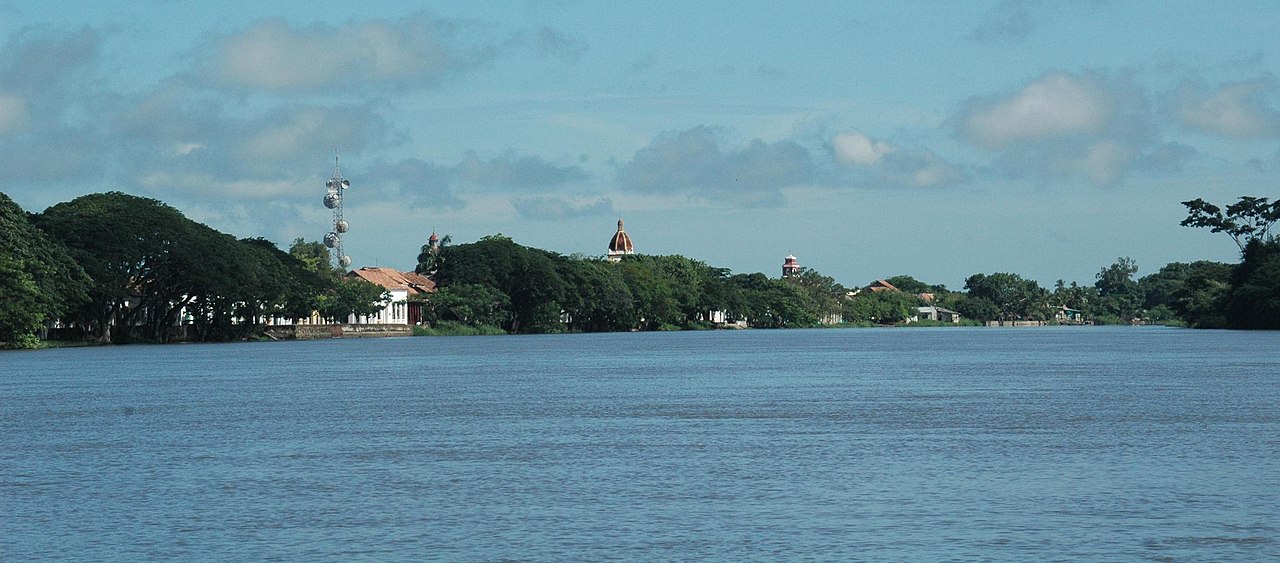
Image credit: Image: O--o / Wikimedia Commons, CC BY 3.0
Colombia / South America
Use the Santa Cruz de Mompós profile to compare affordability, livability, and economic indicators against other indexed cities in Colombia and across South America, and to explore nearby nature and weekend destinations.

Image credit: Image: Luis Eduardo Bernal M. / Wikimedia Commons, CC BY-SA 4.0
Colombia / South America
Use the Ipiales profile to compare affordability, livability, and economic indicators against other indexed cities in Colombia and across South America, and to explore nearby nature and weekend destinations.

Image credit: Image: CarlosE Duarte / Wikimedia Commons, CC BY 3.0
Colombia / South America
Use the Mitú profile to compare affordability, livability, and economic indicators against other indexed cities in Colombia and across South America, and to explore nearby nature and weekend destinations.

Image credit: Image: EEIM / Wikimedia Commons, CC BY-SA 3.0
Colombia / South America
Use the Villa del Rosario profile to compare affordability, livability, and economic indicators against other indexed cities in Colombia and across South America, and to explore nearby nature and weekend destinations.

Image credit: Image: CarlosE Duarte / Wikimedia Commons, CC BY 3.0
Colombia / South America
Use the Puerto Carreño profile to compare affordability, livability, and economic indicators against other indexed cities in Colombia and across South America, and to explore nearby nature and weekend destinations.

Image credit: Image: Fotografía oficial de la Presidencia de Colombia / Wikimedia Commons, CC0
Colombia / South America
Use the Arauquita profile to compare affordability, livability, and economic indicators against other indexed cities in Colombia and across South America, and to explore nearby nature and weekend destinations.

Image credit: Image: getruve / Wikimedia Commons, CC BY 2.0
Colombia / South America
Use the La Unión profile to compare affordability, livability, and economic indicators against other indexed cities in Colombia and across South America, and to explore nearby nature and weekend destinations.

Image credit: Image: Jorge Correa / Wikimedia Commons, CC BY-SA 3.0
Colombia / South America
Use the San Bernardo del Viento profile to compare affordability, livability, and economic indicators against other indexed cities in Colombia and across South America, and to explore nearby nature and weekend destinations.

Image credit: Image: Maestro Arcángel Castellanos López / Wikimedia Commons, CC BY-SA 3.0
Colombia / South America
Use the Socorro profile to compare affordability, livability, and economic indicators against other indexed cities in Colombia and across South America, and to explore nearby nature and weekend destinations.

Image credit: Image: Edgardo anillo medina / Wikimedia Commons, CC BY-SA 4.0
Colombia / South America
Use the San Jacinto profile to compare affordability, livability, and economic indicators against other indexed cities in Colombia and across South America, and to explore nearby nature and weekend destinations.

Image credit: Image: Otwo1983 / Wikimedia Commons, CC BY-SA 4.0
Colombia / South America
Use the Hogares Soacha profile to compare affordability, livability, and economic indicators against other indexed cities in Colombia and across South America, and to explore nearby nature and weekend destinations.

Image credit: Image: MirfakVelez_92 / Wikimedia Commons, CC BY-SA 3.0
Colombia / South America
Use the Salgar profile to compare affordability, livability, and economic indicators against other indexed cities in Colombia and across South America, and to explore nearby nature and weekend destinations.

Image credit: Image: -- F3rn4nd0 15:03, 21 April 2007 (UTC) / Wikimedia Commons, CC BY 2.5
Colombia / South America
Use the El Tablón profile to compare affordability, livability, and economic indicators against other indexed cities in Colombia and across South America, and to explore nearby nature and weekend destinations.

Image credit: Image: Jdvillalobos / Wikimedia Commons, CC BY-SA 4.0
Colombia / South America
Use the Baranoa profile to compare affordability, livability, and economic indicators against other indexed cities in Colombia and across South America, and to explore nearby nature and weekend destinations.

Image credit: Image: Yadi1986 / Wikimedia Commons, CC BY-SA 4.0
Colombia / South America
Use the Unguía profile to compare affordability, livability, and economic indicators against other indexed cities in Colombia and across South America, and to explore nearby nature and weekend destinations.

Image credit: Image: Lo Que Pasa En EL Banco / Wikimedia Commons, CC BY 4.0
Colombia / South America
Use the El Banco profile to compare affordability, livability, and economic indicators against other indexed cities in Colombia and across South America, and to explore nearby nature and weekend destinations.

Image credit: Image: Bernard Gagnon / Wikimedia Commons, CC BY-SA 4.0
Colombia / South America
Use the La Boquilla profile to compare affordability, livability, and economic indicators against other indexed cities in Colombia and across South America, and to explore nearby nature and weekend destinations.
Source-attributed country-level indicators for Colombia will appear here once the platform integrates the relevant World Bank batch. The fallback below is intentional — the platform does not show placeholder numbers.
Country-level, not city-level
Indicators describe national context. Pair them with city profiles, comparisons, and verified utility layers (emergency, healthcare, transport) for local detail.
Source-attributed where available
Values come from the World Bank Development Indicators. Where no verified record exists, the platform shows a transparent fallback rather than a guessed number.
Different indicators, different years
Each record carries its own data year because publishers refresh indicators on their own cadence. The card and table both display the year alongside the value.
Context, not a ranking
Treat indicators as orientation, not as a leaderboard. The platform never claims any country is best, safest, cleanest, richest, healthiest, or most connected.
Read alongside city intelligence
Country indicators are most useful when combined with the city profiles in the country, the public-safety, healthcare, and transport sections, and the methodology and data-sources pages.
For full construction details, read the methodology page and the data sources registry.
The platform does not guess values. Source-attributed records for Colombia will appear here once they are integrated from accepted publishers. In the meantime, review the city profiles in Colombia, the public-safety, healthcare, and transport sections above, and the methodology and data-sources pages linked below.
| Indicator | Value | Unit | Data year | Status |
|---|---|---|---|---|
| Country indicators | Verified country indicator values are not yet published for this location. | |||
Global City Intelligence — country indicators dataset
Verified data unavailableVerified country indicators for this country are not yet integrated. Verified batches currently cover 25 supported countries across 9 World Bank Development Indicators (population, internet usage, urban-population share, GDP per capita, life expectancy, current health expenditure per capita, unemployment rate, CO₂ emissions per capita, fixed broadband subscriptions); additional batches will follow.
Country indicator values appear in this section only after they are sourced from accepted publishers and validated at build time. Malformed records cannot ship to production.
Verified emergency contacts for Colombia, drawn from official emergency services and government publishers. Use these as a starting point and confirm current details with local authorities before traveling or relocating.
Methodology and the wider source registry are documented on the scoring methodology and data sources pages.
Verified national healthcare information for Colombia, drawn from official government and public health publishers. This is informational only and does not provide medical advice.
Related sections: emergency and public safety, scoring methodology, and data sources.
Verified national transport context for Colombia, attributed to official transport ministries, national operators, and aviation authorities. This is informational only; routes, fares, and schedules change frequently — check the linked authorities for current details.
Related sections: emergency and public safety, healthcare and hospitals, cities directory, countries directory, scoring methodology, data sources.
Curated city-vs-city comparisons that include at least one city from Colombia. Each link opens a comparison page with structured indicators across cost, safety, healthcare, transport, and country context.
Curated city collections that include at least one Colombia city. Each collection is a comparison-oriented shortlist, not an official ranking.
No curated city collections currently reference Colombia cities. Browse the Best Cities collections index for related shortlists.
Explore rankings where supported Colombia city profiles appear. Use rankings as directional city intelligence, not an official government ranking.
Ranking
A balanced ranking of cities across affordability, air quality, clean-energy readiness, and resilience.
42 cities from Colombia appears in this ranking
Ranking
Cities that combine strong services, mobility, safety, clean air, and resilience into a healthy day-to-day profile.
42 cities from Colombia appears in this ranking
Ranking
Cities that combine fast connectivity, safety, healthy day-to-day life, and a manageable cost-of-living balance for remote and hybrid workers.
42 cities from Colombia appears in this ranking
Ranking
A health-oriented comparison of city air-quality scores using WHO-centered pollutant interpretation.
42 cities from Colombia appears in this ranking
Ranking
Cities ranked by cost-of-living score, weighing housing pressure, essential spending, and household offsets across global metros.
42 cities from Colombia appears in this ranking
Ranking
Cities ranked by internet speed, mobile coverage, and digital-readiness depth for residents, businesses, and remote workers.
42 cities from Colombia appears in this ranking
Ranking
A ranking of city energy-transition readiness, grid resilience, clean-resource potential, and adaptation capacity.
42 cities from Colombia appears in this ranking
Ranking
A practical affordability ranking that weighs housing pressure against transport access, services, and opportunity density.
42 cities from Colombia appears in this ranking
See the full rankings directory for every available structured ranking.
Across 42 indexed cities, Bogotá leads at 72/100 and Salgar sits at 56/100. Use the country page as a parent context layer; module-level detail lives on each city profile. Data year 2025; last updated 2026-05-16. Drawn from 4 institutional references.
Structured indicators on this hub are directional and intended for orientation. Verified utility layers — emergency, healthcare, transport — are attributed to official publishers where available and use transparent fallback states where verified country-level data is not yet integrated.
Structured indicators on this page are directional and intended for orientation. Verified datasets are being integrated; official sources should be used for critical decisions.
4 institutional references inform this view, listed below with reliability notes. Structured indicators on this page are directional and intended for orientation; verified datasets are being integrated and official sources should be used for critical decisions.
Used as a policy and methodology reference for urban exposure and resilience signals.
Used as an energy-resource and weather-normalization reference.
Used to normalize air-quality indicators toward health-protective benchmarks.
Used to explain urban climate vulnerability and adaptation scoring logic.