Supported cities
106
City profiles indexed for China.
East Asia
China's profile features dense metropolitan economies, leading EV and renewable build-out, and major adaptation programs in coastal and high-heat regions. China is indexed at the country level in East Asia, with 106 city profiles linked below.

Image credit: Image: CEphoto, Uwe Aranas / Wikimedia Commons, CC BY-SA 3.0
Snapshot of structured China city intelligence and which verified utility layers are available on this hub.
Supported cities
106
City profiles indexed for China.
Emergency profile
Fallback
Verified emergency data is not available; fallback context is shown.
Healthcare profile
Fallback
Verified healthcare data is not available; fallback context is shown.
Transport profile
Fallback
Verified transport data is not available; fallback context is shown.
Related comparisons
3
Curated city-vs-city comparison pages that reference this country.
Related collections
0
Best Cities collections that include at least one city from this country.
Data year
2025
Reference year for the country intelligence dataset.
Last updated
2026-05-16
Most recent platform-side review of the country hub.
Globally leading
EV sales and charging infrastructure are among the highest globally.
Accelerating
Renewable build-out is among the fastest globally.
Globally leading
Major cities operate among the world's largest metro networks.
Country pages group cities into crawlable clusters and give national context without replacing city-level comparisons.
| Metric | Value | Context |
|---|---|---|
| Region | East Asia | Used for geographic clustering and regional comparisons. |
| Indexed cities | 106 | Shanghai, Beijing, Shenzhen, Guangzhou, Chengdu, Wuhan, Xi'an, Zhengzhou, Nanjing, Hangzhou, Chongqing, Harbin, Shenyang, Ürümqi, Kunming, Qingdao, Lhasa, Changchun, Changsha, Jinan, Fuzhou, Dalian, Hefei, Shijiazhuang, Nanchang, Nanning, Lanzhou, Taiyuan, Guiyang, Luoyang, Suzhou, Xiamen, Haikou, Xining, Hohhot, Yinchuan, Dongguan, Foshan, Xuzhou, Kaifeng, Handan, Ningbo, Yangzhou, Zhanjiang, Kashgar, Wuxi, Anyang, Guilin, Shantou, Fuyang, Shaoxing, Tangshan, Zibo, Wenzhou, Zhangjiakou, Shangqiu, Quanzhou, Lijiang, Baoding, Pudong, Yantai, Xuchang, Zhuhai, Qiqihar, Changzhou, Nanyang, Huizhou, Linfen, Jilin City, Jiangmen, Yan'an, Nantong, Weifang, Linyi, Ganzhou, Zhongshan, Baotou, Anshan, Liuzhou, Maoming, Datong, Zhangye, Zhangzhou, Jining, Hengyang, Dandong, Anqing, Yichang, Xiangyang, Wuhu, Yancheng, Cangzhou, Taizhou, Zhaoqing, Huanggang, Yueyang, Jingzhou, Zunyi, Tai'an, Xingtai, Chaozhou, Fushun, Changde, Xinyang, Meizhou, Huainan |
| EV adoption | Globally leading | EV sales and charging infrastructure are among the highest globally. |
| Energy transition context | Accelerating | Renewable build-out is among the fastest globally. |
| Urban transit | Globally leading | Major cities operate among the world's largest metro networks. |
Each linked city page includes its own metadata, data table, source block, module links, and any verified utility layers.
106 cities, A–Z

Image credit: Image: Dottie Day / Wikimedia Commons, CC BY 2.0
China / East Asia
Shanghai is most useful for users comparing economic depth, mobility, and digital infrastructure against air-quality and climate-exposure considerations.

Image credit: Image: N509FZ / Wikimedia Commons, CC BY-SA 4.0
China / East Asia
Read Beijing as a vast, transit-rich metropolitan capital where infrastructure scale balances air-quality and water-resilience pressures.

Image credit: Image: Charlie fong / Wikimedia Commons, CC BY-SA 4.0
China / East Asia
Read Shenzhen as a young, manufacturing-heavy tech metropolis where dynamism and connectivity balance climate exposure and housing pressure.

Image credit: Image: Tim Wu / Wikimedia Commons, CC BY-SA 4.0
China / East Asia
Use the Guangzhou profile to compare cost framing, transport access, and country-level context alongside Shanghai, Beijing, and Shenzhen.

Image credit: Image: FISU / Wikimedia Commons, CC BY 3.0
China / East Asia
Use the Chengdu profile to compare cost framing, transport access, and country-level context alongside coastal and other inland Chinese metros.

Image credit: Image: 螺钉 / Wikimedia Commons, CC BY-SA 4.0
China / East Asia
Use the Wuhan profile to compare cost framing, transport access, and country-level context alongside Shanghai, Beijing, and Chengdu.

Image credit: Image: ScareCriterion12 / Wikimedia Commons, CC BY-SA 4.0
China / East Asia
Use the Xi'an profile to compare affordability, livability, and economic indicators against other indexed cities in China and across East Asia, and to explore nearby nature and weekend destinations.

Image credit: Image: Windmemories / Wikimedia Commons, CC BY-SA 4.0
China / East Asia
Use the Zhengzhou profile to compare affordability, livability, and economic indicators against other indexed cities in China and across East Asia, and to explore nearby nature and weekend destinations.

Image credit: Image: xiquinhosilva / Wikimedia Commons, CC BY 2.0
China / East Asia
Use the Nanjing profile to compare affordability, livability, and economic indicators against other indexed cities in China and across East Asia, and to explore nearby nature and weekend destinations.

Image credit: Image: User:CatOnMars / Wikimedia Commons, CC BY 4.0
China / East Asia
Use the Hangzhou profile to compare affordability, livability, and economic indicators against other indexed cities in China and across East Asia, and to explore nearby nature and weekend destinations.

Image credit: Image: Zapata1000 / Wikimedia Commons, CC0
China / East Asia
Use the Chongqing profile to compare affordability, livability, and economic indicators against other indexed cities in China and across East Asia, and to explore nearby nature and weekend destinations.

Image credit: Image: xiquinhosilva / Wikimedia Commons, CC BY 2.0
China / East Asia
Use the Harbin profile to compare affordability, livability, and economic indicators against other indexed cities in China and across East Asia, and to explore nearby nature and weekend destinations.

Image credit: Image: E2568 / Wikimedia Commons, CC0
China / East Asia
Use the Shenyang profile to compare affordability, livability, and economic indicators against other indexed cities in China and across East Asia, and to explore nearby nature and weekend destinations.

Image credit: Image: Albertaont / Wikimedia Commons, CC BY-SA 4.0
China / East Asia
Use the Ürümqi profile to compare affordability, livability, and economic indicators against other indexed cities in China and across East Asia, and to explore nearby nature and weekend destinations.

Image credit: Image: 瑞丽江的河水 / Wikimedia Commons, CC BY-SA 4.0
China / East Asia
Use the Kunming profile to compare affordability, livability, and economic indicators against other indexed cities in China and across East Asia, and to explore nearby nature and weekend destinations.

Image credit: Image: Dan Nevill / Wikimedia Commons, CC BY 2.0
China / East Asia
Use the Qingdao profile to compare affordability, livability, and economic indicators against other indexed cities in China and across East Asia, and to explore nearby nature and weekend destinations.

Image credit: Image: Perceval Landon / Wikimedia Commons, Public Domain
China / East Asia
Use the Lhasa profile to compare affordability, livability, and economic indicators against other indexed cities in China and across East Asia, and to explore nearby nature and weekend destinations.

Image credit: Image: 网络上的虫子 / Wikimedia Commons, CC BY-SA 4.0
China / East Asia
Use the Changchun profile to compare affordability, livability, and economic indicators against other indexed cities in China and across East Asia, and to explore nearby nature and weekend destinations.

Image credit: Image: Zhangmoon618 / Wikimedia Commons, Public Domain
China / East Asia
Use the Changsha profile to compare affordability, livability, and economic indicators against other indexed cities in China and across East Asia, and to explore nearby nature and weekend destinations.

Image credit: Image: Song Hongxiao / Wikimedia Commons, CC BY-SA 3.0
China / East Asia
Use the Jinan profile to compare affordability, livability, and economic indicators against other indexed cities in China and across East Asia, and to explore nearby nature and weekend destinations.

Image credit: Image: Listwiseafford / Wikimedia Commons, CC BY-SA 4.0
China / East Asia
Use the Fuzhou profile to compare affordability, livability, and economic indicators against other indexed cities in China and across East Asia, and to explore nearby nature and weekend destinations.

Image credit: Image: Michael Saechang / Wikimedia Commons, CC BY-SA 2.0
China / East Asia
Use the Dalian profile to compare affordability, livability, and economic indicators against other indexed cities in China and across East Asia, and to explore nearby nature and weekend destinations.

Image credit: Image: wanghongliu / Wikimedia Commons, CC BY-SA 3.0
China / East Asia
Use the Hefei profile to compare affordability, livability, and economic indicators against other indexed cities in China and across East Asia, and to explore nearby nature and weekend destinations.

Image credit: Image: E2568 / Wikimedia Commons, CC0
China / East Asia
Use the Shijiazhuang profile to compare affordability, livability, and economic indicators against other indexed cities in China and across East Asia, and to explore nearby nature and weekend destinations.

Image credit: Image: Windmemories / Wikimedia Commons, CC BY-SA 4.0
China / East Asia
Use the Nanchang profile to compare affordability, livability, and economic indicators against other indexed cities in China and across East Asia, and to explore nearby nature and weekend destinations.

Image credit: Image: EditQ / Wikimedia Commons, CC BY-SA 4.0
China / East Asia
Use the Nanning profile to compare affordability, livability, and economic indicators against other indexed cities in China and across East Asia, and to explore nearby nature and weekend destinations.

Image credit: Image: Pieceofmetalwork / Wikimedia Commons, CC BY-SA 4.0
China / East Asia
Use the Lanzhou profile to compare affordability, livability, and economic indicators against other indexed cities in China and across East Asia, and to explore nearby nature and weekend destinations.

Image credit: Image: Emdx / Wikimedia Commons, CC BY 3.0
China / East Asia
Use the Taiyuan profile to compare affordability, livability, and economic indicators against other indexed cities in China and across East Asia, and to explore nearby nature and weekend destinations.

Image credit: Image: Neymarcy / Wikimedia Commons, CC BY-SA 4.0
China / East Asia
Use the Guiyang profile to compare affordability, livability, and economic indicators against other indexed cities in China and across East Asia, and to explore nearby nature and weekend destinations.

Image credit: Image: thierrytutin / Wikimedia Commons, CC BY 2.0
China / East Asia
Use the Luoyang profile to compare affordability, livability, and economic indicators against other indexed cities in China and across East Asia, and to explore nearby nature and weekend destinations.

Image credit: Image: 铁头娃蛤蛤 / Wikimedia Commons, CC BY-SA 4.0
China / East Asia
Use the Suzhou profile to compare affordability, livability, and economic indicators against other indexed cities in China and across East Asia, and to explore nearby nature and weekend destinations.

Image credit: Image: Jay Huang from Pleasanton, USA / Wikimedia Commons, CC BY 2.0
China / East Asia
Use the Xiamen profile to compare affordability, livability, and economic indicators against other indexed cities in China and across East Asia, and to explore nearby nature and weekend destinations.

Image credit: Image: Anna Frodesiak / Wikimedia Commons, Public Domain
China / East Asia
Use the Haikou profile to compare affordability, livability, and economic indicators against other indexed cities in China and across East Asia, and to explore nearby nature and weekend destinations.

Image credit: Image: Gruschke / Wikimedia Commons, CC BY-SA 4.0
China / East Asia
Use the Xining profile to compare affordability, livability, and economic indicators against other indexed cities in China and across East Asia, and to explore nearby nature and weekend destinations.

Image credit: Image: wanghongliu / Wikimedia Commons, CC BY-SA 3.0
China / East Asia
Use the Hohhot profile to compare affordability, livability, and economic indicators against other indexed cities in China and across East Asia, and to explore nearby nature and weekend destinations.

Image credit: Image: Giant Shit / Wikimedia Commons, CC BY-SA 3.0
China / East Asia
Use the Yinchuan profile to compare affordability, livability, and economic indicators against other indexed cities in China and across East Asia, and to explore nearby nature and weekend destinations.

Image credit: Image: 张元柏 / Wikimedia Commons, CC BY-SA 3.0
China / East Asia
Use the Dongguan profile to compare affordability, livability, and economic indicators against other indexed cities in China and across East Asia, and to explore nearby nature and weekend destinations.

Image credit: Image: EditQ / Wikimedia Commons, CC BY-SA 4.0
China / East Asia
Use the Foshan profile to compare affordability, livability, and economic indicators against other indexed cities in China and across East Asia, and to explore nearby nature and weekend destinations.

Image credit: Image: H2v5o68z / Wikimedia Commons, CC0
China / East Asia
Use the Xuzhou profile to compare affordability, livability, and economic indicators against other indexed cities in China and across East Asia, and to explore nearby nature and weekend destinations.

Image credit: Image: caoyuan / Wikimedia Commons, CC BY-SA 3.0
China / East Asia
Use the Kaifeng profile to compare affordability, livability, and economic indicators against other indexed cities in China and across East Asia, and to explore nearby nature and weekend destinations.

Image credit: Image: User:我乃野云鹤 / Wikimedia Commons, CC BY-SA 4.0
China / East Asia
Use the Handan profile to compare affordability, livability, and economic indicators against other indexed cities in China and across East Asia, and to explore nearby nature and weekend destinations.

Image credit: Image: Milkomède / Wikimedia Commons, CC BY-SA 4.0
China / East Asia
Use the Ningbo profile to compare affordability, livability, and economic indicators against other indexed cities in China and across East Asia, and to explore nearby nature and weekend destinations.

Image credit: Image: Gisling / Wikimedia Commons, CC BY-SA 4.0
China / East Asia
Use the Yangzhou profile to compare affordability, livability, and economic indicators against other indexed cities in China and across East Asia, and to explore nearby nature and weekend destinations.

Image credit: Image: User:Vmenkov / Wikimedia Commons, CC BY-SA 3.0
China / East Asia
Use the Zhanjiang profile to compare affordability, livability, and economic indicators against other indexed cities in China and across East Asia, and to explore nearby nature and weekend destinations.
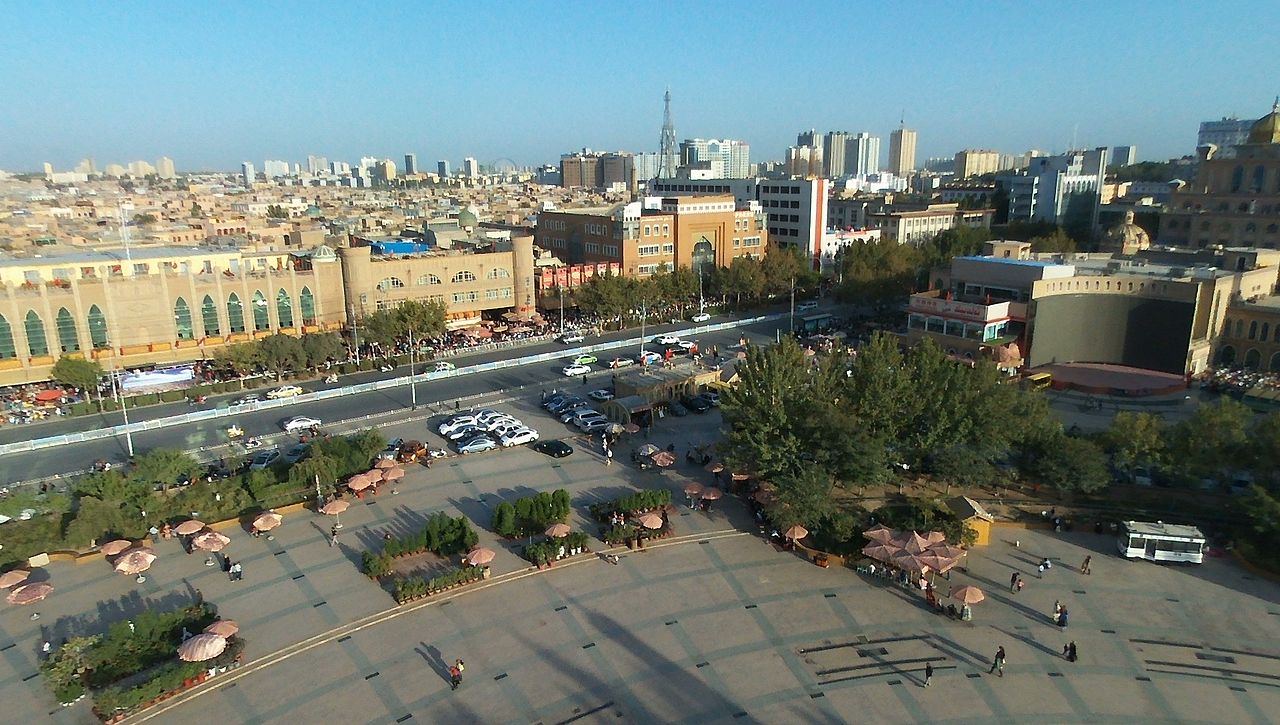
Image credit: Image: w0zny / Wikimedia Commons, CC BY-SA 3.0
China / East Asia
Use the Kashgar profile to compare affordability, livability, and economic indicators against other indexed cities in China and across East Asia, and to explore nearby nature and weekend destinations.

Image credit: Image: Synyan / Wikimedia Commons, CC BY 3.0
China / East Asia
Use the Wuxi profile to compare affordability, livability, and economic indicators against other indexed cities in China and across East Asia, and to explore nearby nature and weekend destinations.

Image credit: Image: guan / Wikimedia Commons, CC BY 3.0
China / East Asia
Use the Anyang profile to compare affordability, livability, and economic indicators against other indexed cities in China and across East Asia, and to explore nearby nature and weekend destinations.

Image credit: Image: Shujianyang / Wikimedia Commons, CC0
China / East Asia
Use the Guilin profile to compare affordability, livability, and economic indicators against other indexed cities in China and across East Asia, and to explore nearby nature and weekend destinations.

Image credit: Image: wanghongliu / Wikimedia Commons, CC BY-SA 3.0
China / East Asia
Use the Shantou profile to compare affordability, livability, and economic indicators against other indexed cities in China and across East Asia, and to explore nearby nature and weekend destinations.

Image credit: Image: Huihermit / Wikimedia Commons, CC0
China / East Asia
Use the Fuyang profile to compare affordability, livability, and economic indicators against other indexed cities in China and across East Asia, and to explore nearby nature and weekend destinations.

Image credit: Image: serapio / Wikimedia Commons, CC BY-SA 2.0
China / East Asia
Use the Shaoxing profile to compare affordability, livability, and economic indicators against other indexed cities in China and across East Asia, and to explore nearby nature and weekend destinations.

Image credit: Image: 时皓天 / Wikimedia Commons, CC BY 3.0
China / East Asia
Use the Tangshan profile to compare affordability, livability, and economic indicators against other indexed cities in China and across East Asia, and to explore nearby nature and weekend destinations.

Image credit: Image: 侠正 / Wikimedia Commons, CC BY-SA 3.0
China / East Asia
Use the Zibo profile to compare affordability, livability, and economic indicators against other indexed cities in China and across East Asia, and to explore nearby nature and weekend destinations.

Image credit: Image: Pascal3012 / Wikimedia Commons, CC BY-SA 3.0
China / East Asia
Use the Wenzhou profile to compare affordability, livability, and economic indicators against other indexed cities in China and across East Asia, and to explore nearby nature and weekend destinations.

Image credit: Image: ZH.T / Wikimedia Commons, CC BY-SA 3.0
China / East Asia
Use the Zhangjiakou profile to compare affordability, livability, and economic indicators against other indexed cities in China and across East Asia, and to explore nearby nature and weekend destinations.

Image credit: Image: Windmemories / Wikimedia Commons, CC BY-SA 4.0
China / East Asia
Use the Shangqiu profile to compare affordability, livability, and economic indicators against other indexed cities in China and across East Asia, and to explore nearby nature and weekend destinations.

Image credit: Image: Windmemories / Wikimedia Commons, CC BY-SA 4.0
China / East Asia
Use the Quanzhou profile to compare affordability, livability, and economic indicators against other indexed cities in China and across East Asia, and to explore nearby nature and weekend destinations.

Image credit: Image: Ambassador Nicholas Burns / Wikimedia Commons, Public Domain
China / East Asia
Use the Lijiang profile to compare affordability, livability, and economic indicators against other indexed cities in China and across East Asia, and to explore nearby nature and weekend destinations.

Image credit: Image: 瑞丽江的河水 / Wikimedia Commons, CC BY-SA 4.0
China / East Asia
Use the Baoding profile to compare affordability, livability, and economic indicators against other indexed cities in China and across East Asia, and to explore nearby nature and weekend destinations.

Image credit: Image: Wikimedia Commons contributor / Wikimedia Commons, CC0
China / East Asia
Use the Pudong profile to compare affordability, livability, and economic indicators against other indexed cities in China and across East Asia, and to explore nearby nature and weekend destinations.

Image credit: Image: HaoLinFotos / Wikimedia Commons, CC BY-SA 4.0
China / East Asia
Use the Yantai profile to compare affordability, livability, and economic indicators against other indexed cities in China and across East Asia, and to explore nearby nature and weekend destinations.

Image credit: Image: Windmemories / Wikimedia Commons, CC BY-SA 4.0
China / East Asia
Use the Xuchang profile to compare affordability, livability, and economic indicators against other indexed cities in China and across East Asia, and to explore nearby nature and weekend destinations.

Image credit: Image: Wing1990hk / Wikimedia Commons, CC BY 3.0
China / East Asia
Use the Zhuhai profile to compare affordability, livability, and economic indicators against other indexed cities in China and across East Asia, and to explore nearby nature and weekend destinations.

Image credit: Image: NewSpeaks / Wikimedia Commons, CC BY-SA 3.0
China / East Asia
Use the Qiqihar profile to compare affordability, livability, and economic indicators against other indexed cities in China and across East Asia, and to explore nearby nature and weekend destinations.

Image credit: Image: Jakub Hałun / Wikimedia Commons, CC BY-SA 4.0
China / East Asia
Use the Changzhou profile to compare affordability, livability, and economic indicators against other indexed cities in China and across East Asia, and to explore nearby nature and weekend destinations.

Image credit: Image: 襄樊一夜 / Wikimedia Commons, CC BY-SA 3.0
China / East Asia
Use the Nanyang profile to compare affordability, livability, and economic indicators against other indexed cities in China and across East Asia, and to explore nearby nature and weekend destinations.

Image credit: Image: Historical photo of Hong Kong / Wikimedia Commons, Public Domain
China / East Asia
Use the Huizhou profile to compare affordability, livability, and economic indicators against other indexed cities in China and across East Asia, and to explore nearby nature and weekend destinations.

Image credit: Image: Zaki427 / Wikimedia Commons, CC BY-SA 3.0
China / East Asia
Use the Linfen profile to compare affordability, livability, and economic indicators against other indexed cities in China and across East Asia, and to explore nearby nature and weekend destinations.

Image credit: Image: H2v5o68z / Wikimedia Commons, CC0
China / East Asia
Use the Jilin City profile to compare affordability, livability, and economic indicators against other indexed cities in China and across East Asia, and to explore nearby nature and weekend destinations.

Image credit: Image: Limingqimonkey / Wikimedia Commons, CC BY-SA 3.0
China / East Asia
Use the Jiangmen profile to compare affordability, livability, and economic indicators against other indexed cities in China and across East Asia, and to explore nearby nature and weekend destinations.

Image credit: Image: H2v5o68z / Wikimedia Commons, CC0
China / East Asia
Use the Yan'an profile to compare affordability, livability, and economic indicators against other indexed cities in China and across East Asia, and to explore nearby nature and weekend destinations.

Image credit: Image: Qingqing Chen / Wikimedia Commons, Public Domain
China / East Asia
Use the Nantong profile to compare affordability, livability, and economic indicators against other indexed cities in China and across East Asia, and to explore nearby nature and weekend destinations.

Image credit: Image: Ngguls / Wikimedia Commons, CC BY-SA 4.0
China / East Asia
Use the Weifang profile to compare affordability, livability, and economic indicators against other indexed cities in China and across East Asia, and to explore nearby nature and weekend destinations.

Image credit: Image: kanegen / Wikimedia Commons, CC BY 2.0
China / East Asia
Use the Linyi profile to compare affordability, livability, and economic indicators against other indexed cities in China and across East Asia, and to explore nearby nature and weekend destinations.

Image credit: Image: David290 / Wikimedia Commons, CC BY-SA 4.0
China / East Asia
Use the Ganzhou profile to compare affordability, livability, and economic indicators against other indexed cities in China and across East Asia, and to explore nearby nature and weekend destinations.

Image credit: Image: 工口姬月 / Wikimedia Commons, CC BY-SA 4.0
China / East Asia
Use the Zhongshan profile to compare affordability, livability, and economic indicators against other indexed cities in China and across East Asia, and to explore nearby nature and weekend destinations.
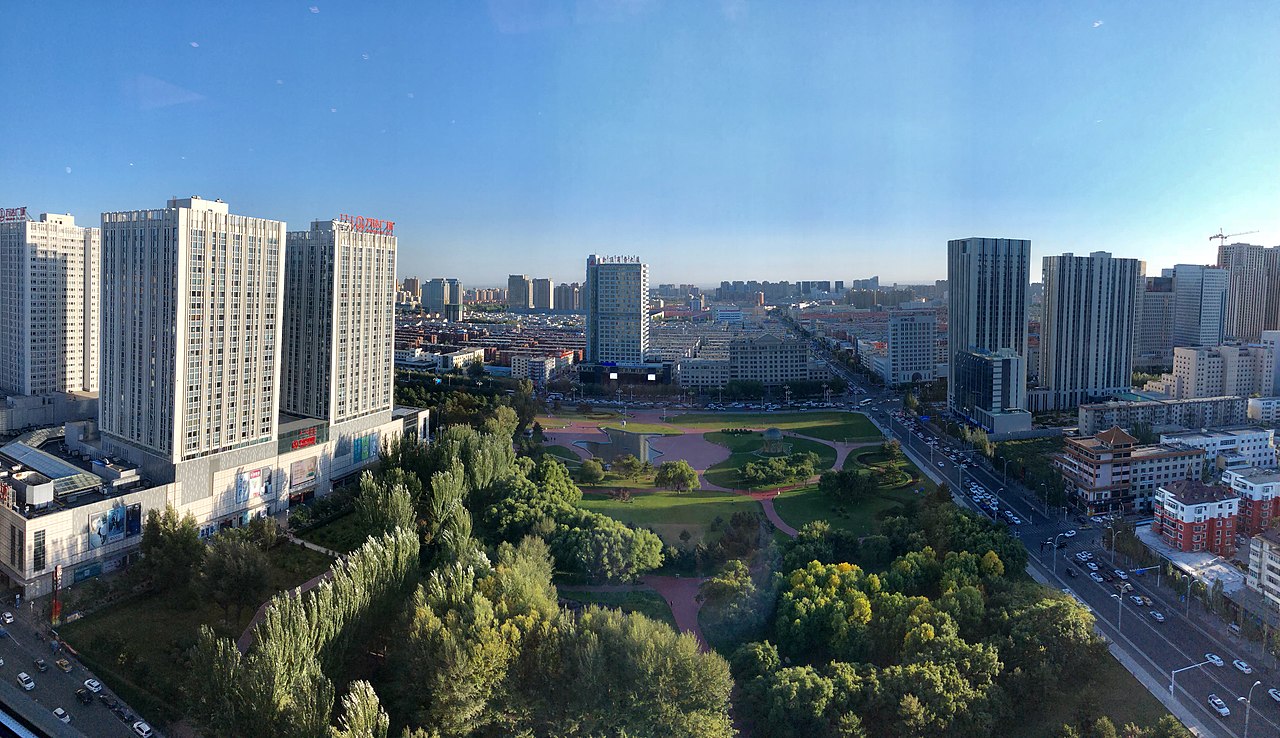
Image credit: Image: Nickm57 / Wikimedia Commons, CC BY-SA 4.0
China / East Asia
Use the Baotou profile to compare affordability, livability, and economic indicators against other indexed cities in China and across East Asia, and to explore nearby nature and weekend destinations.
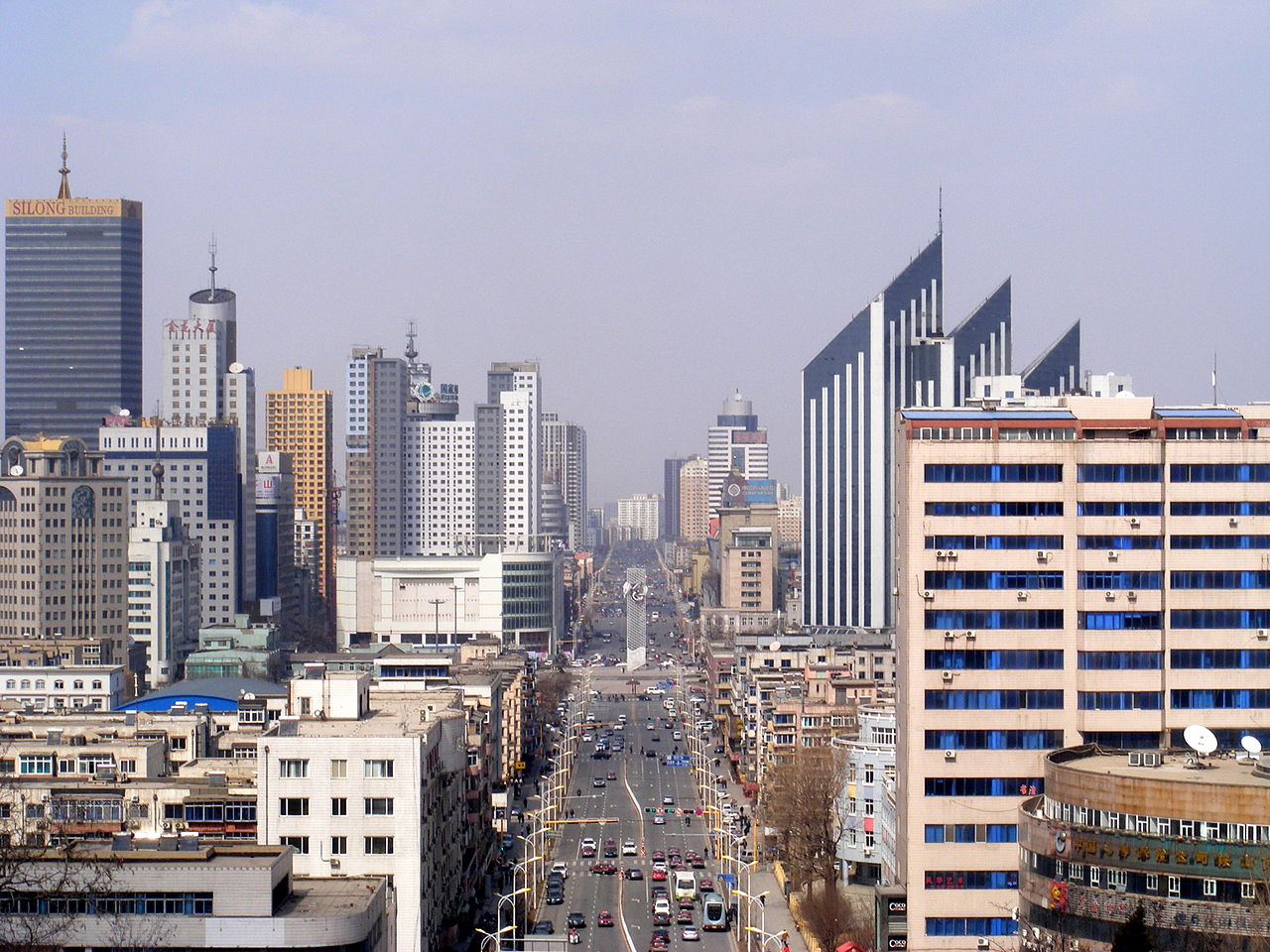
Image credit: Image: Rincewind42 / Wikimedia Commons, CC BY-SA 3.0
China / East Asia
Use the Anshan profile to compare affordability, livability, and economic indicators against other indexed cities in China and across East Asia, and to explore nearby nature and weekend destinations.

Image credit: Image: EditQ / Wikimedia Commons, CC BY-SA 4.0
China / East Asia
Use the Liuzhou profile to compare affordability, livability, and economic indicators against other indexed cities in China and across East Asia, and to explore nearby nature and weekend destinations.

Image credit: Image: wfeiden / Wikimedia Commons, CC BY-SA 2.0
China / East Asia
Use the Maoming profile to compare affordability, livability, and economic indicators against other indexed cities in China and across East Asia, and to explore nearby nature and weekend destinations.

Image credit: Image: Charlie fong / Wikimedia Commons, CC BY-SA 4.0
China / East Asia
Use the Datong profile to compare affordability, livability, and economic indicators against other indexed cities in China and across East Asia, and to explore nearby nature and weekend destinations.

Image credit: Image: Elmschrat / Wikimedia Commons, CC BY-SA 3.0
China / East Asia
Use the Zhangye profile to compare affordability, livability, and economic indicators against other indexed cities in China and across East Asia, and to explore nearby nature and weekend destinations.

Image credit: Image: Windmemories / Wikimedia Commons, CC BY-SA 4.0
China / East Asia
Use the Zhangzhou profile to compare affordability, livability, and economic indicators against other indexed cities in China and across East Asia, and to explore nearby nature and weekend destinations.

Image credit: Image: Raki_Man / Wikimedia Commons, CC BY 3.0
China / East Asia
Use the Jining profile to compare affordability, livability, and economic indicators against other indexed cities in China and across East Asia, and to explore nearby nature and weekend destinations.

Image credit: Image: MNXANL / Wikimedia Commons, CC BY-SA 4.0
China / East Asia
Use the Hengyang profile to compare affordability, livability, and economic indicators against other indexed cities in China and across East Asia, and to explore nearby nature and weekend destinations.

Image credit: Image: Jacky Lee / Wikimedia Commons, CC BY 3.0
China / East Asia
Use the Dandong profile to compare affordability, livability, and economic indicators against other indexed cities in China and across East Asia, and to explore nearby nature and weekend destinations.

Image credit: Image: rheins / Wikimedia Commons, CC BY 3.0
China / East Asia
Use the Anqing profile to compare affordability, livability, and economic indicators against other indexed cities in China and across East Asia, and to explore nearby nature and weekend destinations.
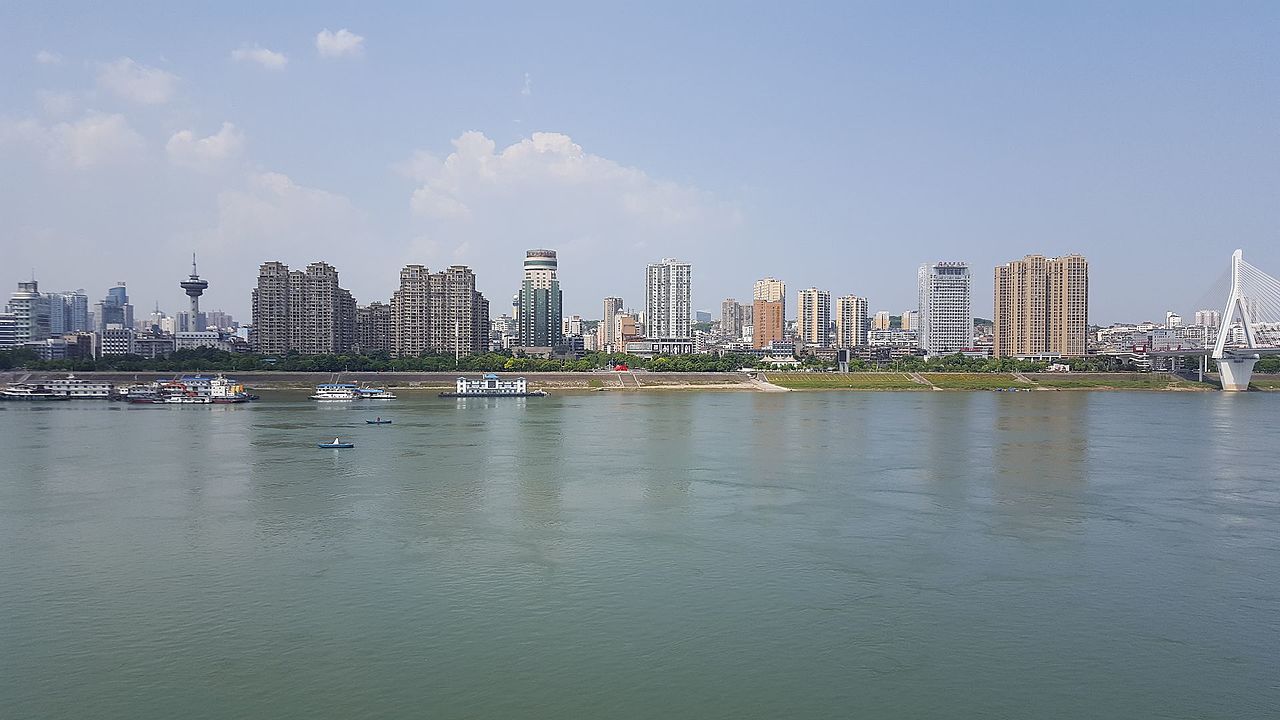
Image credit: Image: Fxqf / Wikimedia Commons, CC BY-SA 4.0
China / East Asia
Use the Yichang profile to compare affordability, livability, and economic indicators against other indexed cities in China and across East Asia, and to explore nearby nature and weekend destinations.

Image credit: Image: Fxqf / Wikimedia Commons, CC BY-SA 4.0
China / East Asia
Use the Xiangyang profile to compare affordability, livability, and economic indicators against other indexed cities in China and across East Asia, and to explore nearby nature and weekend destinations.

Image credit: Image: Wu Shan / Wikimedia Commons, CC BY-SA 4.0
China / East Asia
Use the Wuhu profile to compare affordability, livability, and economic indicators against other indexed cities in China and across East Asia, and to explore nearby nature and weekend destinations.
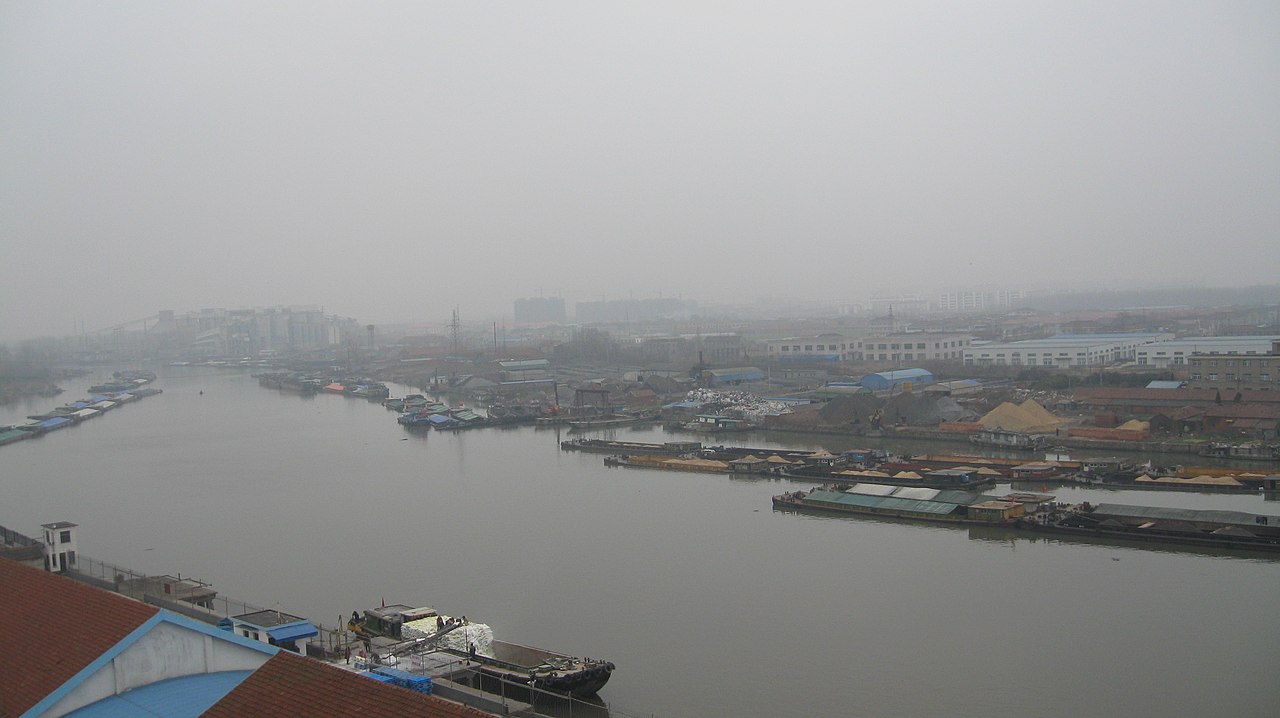
Image credit: Image: 柳少阳 / Wikimedia Commons, CC BY-SA 3.0
China / East Asia
Use the Yancheng profile to compare affordability, livability, and economic indicators against other indexed cities in China and across East Asia, and to explore nearby nature and weekend destinations.

Image credit: Image: 代彦彬 / Wikimedia Commons, CC BY-SA 3.0
China / East Asia
Use the Cangzhou profile to compare affordability, livability, and economic indicators against other indexed cities in China and across East Asia, and to explore nearby nature and weekend destinations.

Image credit: Image: Peter in s / Wikimedia Commons, CC BY-SA 3.0
China / East Asia
Use the Taizhou profile to compare affordability, livability, and economic indicators against other indexed cities in China and across East Asia, and to explore nearby nature and weekend destinations.

Image credit: Image: Swiscrevolve / Wikimedia Commons, CC BY-SA 3.0
China / East Asia
Use the Zhaoqing profile to compare affordability, livability, and economic indicators against other indexed cities in China and across East Asia, and to explore nearby nature and weekend destinations.

Image credit: Image: Zzhilin / Wikimedia Commons, CC BY 3.0
China / East Asia
Use the Huanggang profile to compare affordability, livability, and economic indicators against other indexed cities in China and across East Asia, and to explore nearby nature and weekend destinations.

Image credit: Image: Steve Webel from Yueyang (??), Hunan (??), China (??) / Wikimedia Commons, CC BY 2.0
China / East Asia
Use the Yueyang profile to compare affordability, livability, and economic indicators against other indexed cities in China and across East Asia, and to explore nearby nature and weekend destinations.

Image credit: Image: Popolon / Wikimedia Commons, CC BY-SA 3.0
China / East Asia
Use the Jingzhou profile to compare affordability, livability, and economic indicators against other indexed cities in China and across East Asia, and to explore nearby nature and weekend destinations.

Image credit: Image: YubYub41 / Wikimedia Commons, CC BY-SA 3.0
China / East Asia
Use the Zunyi profile to compare affordability, livability, and economic indicators against other indexed cities in China and across East Asia, and to explore nearby nature and weekend destinations.

Image credit: Image: WFan / Wikimedia Commons, CC BY-SA 4.0
China / East Asia
Use the Tai'an profile to compare affordability, livability, and economic indicators against other indexed cities in China and across East Asia, and to explore nearby nature and weekend destinations.

Image credit: Image: Huangchinhai / Wikimedia Commons, CC BY-SA 4.0
China / East Asia
Use the Xingtai profile to compare affordability, livability, and economic indicators against other indexed cities in China and across East Asia, and to explore nearby nature and weekend destinations.

Image credit: Image: Polar1 / Wikimedia Commons, CC BY-SA 3.0
China / East Asia
Use the Chaozhou profile to compare affordability, livability, and economic indicators against other indexed cities in China and across East Asia, and to explore nearby nature and weekend destinations.

Image credit: Image: H2v5o68z / Wikimedia Commons, CC0
China / East Asia
Use the Fushun profile to compare affordability, livability, and economic indicators against other indexed cities in China and across East Asia, and to explore nearby nature and weekend destinations.

Image credit: Image: 涔水影人 / Wikimedia Commons, CC BY 3.0
China / East Asia
Use the Changde profile to compare affordability, livability, and economic indicators against other indexed cities in China and across East Asia, and to explore nearby nature and weekend destinations.

Image credit: Image: 飞帆陈 / Wikimedia Commons, CC BY-SA 3.0
China / East Asia
Use the Xinyang profile to compare affordability, livability, and economic indicators against other indexed cities in China and across East Asia, and to explore nearby nature and weekend destinations.

Image credit: Image: Anthony Hartman from Meizhou, China / Wikimedia Commons, CC BY 2.0
China / East Asia
Use the Meizhou profile to compare affordability, livability, and economic indicators against other indexed cities in China and across East Asia, and to explore nearby nature and weekend destinations.

Image credit: Image: luchangjiang~鲁昌江 / Wikimedia Commons, CC BY-SA 3.0
China / East Asia
Use the Huainan profile to compare affordability, livability, and economic indicators against other indexed cities in China and across East Asia, and to explore nearby nature and weekend destinations.
Source-attributed country-level indicators for China, drawn from the World Bank Development Indicators. Use the cards and table together to compare scale, unit, and data year for each metric.
Country-level, not city-level
Indicators describe national context. Pair them with city profiles, comparisons, and verified utility layers (emergency, healthcare, transport) for local detail.
Source-attributed where available
Values come from the World Bank Development Indicators. Where no verified record exists, the platform shows a transparent fallback rather than a guessed number.
Different indicators, different years
Each record carries its own data year because publishers refresh indicators on their own cadence. The card and table both display the year alongside the value.
Context, not a ranking
Treat indicators as orientation, not as a leaderboard. The platform never claims any country is best, safest, cleanest, richest, healthiest, or most connected.
Read alongside city intelligence
Country indicators are most useful when combined with the city profiles in the country, the public-safety, healthcare, and transport sections, and the methodology and data-sources pages.
For full construction details, read the methodology page and the data sources registry.
National-level economic signals to read alongside city-level cost and services pages.
GDP per capita
VerifiedEconomic context only — not a cost-of-living score or a household-income measure.
Data year 2024 updated 2026-09-08
Unemployment rate
VerifiedModeled ILO labor-market context — not a guarantee of job availability for any specific worker.
Data year 2025 updated 2026-04-08
National scale and urbanisation context; pair with city profiles for local detail.
Population
VerifiedNational scale only — not a city population value or a measure of urban density.
Data year 2024 updated 2026-04-08
Urban population share
VerifiedShare of population living in urban areas — not a quality-of-life or urban-form measure.
Data year 2024 updated 2026-04-08
Connectivity context drawn from World Bank usage and subscription indicators.
Internet usage
VerifiedShare of population that uses the internet — not a measure of connection speed or quality.
Data year 2025 updated 2026-04-08
Fixed broadband subscriptions
VerifiedFixed broadband subscriptions per 100 people — not a measure of overall internet quality or speed.
Data year 2024 updated 2026-04-08
National health-system context; not a substitute for verified city-level healthcare layers.
Life expectancy
VerifiedNational health-context indicator — not individual health guidance.
Data year 2024 updated 2026-04-08
Health expenditure per capita
VerifiedPer-capita spending context — not a measure of healthcare quality or access for any individual.
Data year 2023 updated 2026-04-08
National emissions context; read separately from city-level air-quality data.
CO₂ emissions per capita
VerifiedNational emissions context — not a city-level air-quality measurement.
Data year 2024 updated 2026-04-08
| Indicator | Value | Unit | Data year | Status |
|---|---|---|---|---|
| Population | 1,408,975,000 | people | 2024 | Verified |
| Internet usage | 91.6 | percent | 2025 | Verified |
| Urban population share | 65.89 | percent | 2024 | Verified |
| GDP per capita | 13,293.12 | current US$ | 2024 | Verified |
| Life expectancy | 78.02 | years | 2024 | Verified |
| Health expenditure per capita | 763.38 | current US$ | 2023 | Verified |
| Unemployment rate | 4.62 | percent | 2025 | Verified |
| CO₂ emissions per capita | 9.32 | metric tons per capita | 2024 | Verified |
| Fixed broadband subscriptions | 47.19 | per 100 people | 2024 | Verified |
Global City Intelligence — country indicators dataset
VerifiedCountry indicator values appear in this section only after they are sourced from accepted publishers and validated at build time. Malformed records cannot ship to production.
Verified emergency contacts for China, drawn from official emergency services and government publishers. Use these as a starting point and confirm current details with local authorities before traveling or relocating.
Methodology and the wider source registry are documented on the scoring methodology and data sources pages.
Verified national healthcare information for China, drawn from official government and public health publishers. This is informational only and does not provide medical advice.
Related sections: emergency and public safety, scoring methodology, and data sources.
Verified national transport context for China, attributed to official transport ministries, national operators, and aviation authorities. This is informational only; routes, fares, and schedules change frequently — check the linked authorities for current details.
Related sections: emergency and public safety, healthcare and hospitals, cities directory, countries directory, scoring methodology, data sources.
Curated city-vs-city comparisons that include at least one city from China. Each link opens a comparison page with structured indicators across cost, safety, healthcare, transport, and country context.
Asia · Global hub comparison
Guangzhou vs Shenzhen: Cost, Safety, Healthcare & Transport
Pair Guangzhou and Shenzhen for a Pearl-River-Delta comparison across cost framing, transport access, and country-level intelligence.
Asia · Regional alternative
Chengdu vs Guangzhou: Cost, Safety, Healthcare & Transport
Pair Chengdu and Guangzhou for an inland-versus-coastal Chinese comparison across cost framing, transport access, and country-level intelligence.
Asia · Regional alternative
Wuhan vs Chengdu: Cost, Safety, Healthcare & Transport
Compare Wuhan and Chengdu across cost framing, transport access, and country-level context for inland-China relocation review.
Curated city collections that include at least one China city. Each collection is a comparison-oriented shortlist, not an official ranking.
No curated city collections currently reference China cities. Browse the Best Cities collections index for related shortlists.
Explore rankings where supported China city profiles appear. Use rankings as directional city intelligence, not an official government ranking.
Ranking
A balanced ranking of cities across affordability, air quality, clean-energy readiness, and resilience.
106 cities from China appears in this ranking
Ranking
Cities that combine strong services, mobility, safety, clean air, and resilience into a healthy day-to-day profile.
106 cities from China appears in this ranking
Ranking
Cities that combine fast connectivity, safety, healthy day-to-day life, and a manageable cost-of-living balance for remote and hybrid workers.
106 cities from China appears in this ranking
Ranking
A health-oriented comparison of city air-quality scores using WHO-centered pollutant interpretation.
106 cities from China appears in this ranking
Ranking
Cities ranked by cost-of-living score, weighing housing pressure, essential spending, and household offsets across global metros.
106 cities from China appears in this ranking
Ranking
Cities ranked by internet speed, mobile coverage, and digital-readiness depth for residents, businesses, and remote workers.
106 cities from China appears in this ranking
Ranking
A ranking of city energy-transition readiness, grid resilience, clean-resource potential, and adaptation capacity.
106 cities from China appears in this ranking
Ranking
A practical affordability ranking that weighs housing pressure against transport access, services, and opportunity density.
106 cities from China appears in this ranking
See the full rankings directory for every available structured ranking.
Across 106 indexed cities, Shanghai leads at 80/100 and Zunyi sits at 62/100. Use the country page as a parent context layer; module-level detail lives on each city profile. Data year 2025; last updated 2026-05-16. Drawn from 5 institutional references.
Structured indicators on this hub are directional and intended for orientation. Verified utility layers — emergency, healthcare, transport — are attributed to official publishers where available and use transparent fallback states where verified country-level data is not yet integrated.
Structured indicators on this page are directional and intended for orientation. Verified datasets are being integrated; official sources should be used for critical decisions.
5 institutional references inform this view, listed below with reliability notes. Structured indicators on this page are directional and intended for orientation; verified datasets are being integrated and official sources should be used for critical decisions.
Used as a policy and methodology reference for urban exposure and resilience signals.
Used as an energy-resource and weather-normalization reference.
Used to normalize air-quality indicators toward health-protective benchmarks.
Used to explain urban climate vulnerability and adaptation scoring logic.
Used to ground energy-readiness scoring in international transition guidance.