Supported cities
104
City profiles indexed for Brazil.
Latin America
Brazil's profile combines globally significant cultural and economic centers, strong renewable electricity led by hydropower, and meaningful work on safety and inequality. Brazil is indexed at the country level in Latin America, with 104 city profiles linked below.

Image credit: Image: The original uploader was Captain Blood at English Wikipedia. / Wikimedia Commons, CC BY-SA 3.0
Additional verified imagery for Brazil. Each photo is sourced from Wikimedia Commons with full attribution and a permissive license.

Christ the Redeemer (statue)
Image credit: Image: Arne Müseler / Wikimedia Commons, CC BY-SA 3.0 de
Snapshot of structured Brazil city intelligence and which verified utility layers are available on this hub.
Supported cities
104
City profiles indexed for Brazil.
Emergency profile
Fallback
Verified emergency data is not available; fallback context is shown.
Healthcare profile
Fallback
Verified healthcare data is not available; fallback context is shown.
Transport profile
Fallback
Verified transport data is not available; fallback context is shown.
Related comparisons
1
Curated city-vs-city comparison pages that reference this country.
Related collections
0
Best Cities collections that include at least one city from this country.
Data year
2025
Reference year for the country intelligence dataset.
Last updated
2026-05-16
Most recent platform-side review of the country hub.
Renewable-heavy
Hydropower supports a comparatively low-carbon electricity baseline.
Very high
Music, sport, and creative ecosystems shape global recognition.
Wide
Resident experience varies sharply across districts and metro areas.
Country pages group cities into crawlable clusters and give national context without replacing city-level comparisons.
| Metric | Value | Context |
|---|---|---|
| Region | Latin America | Used for geographic clustering and regional comparisons. |
| Indexed cities | 104 | São Paulo, Rio de Janeiro, Curitiba, Brasilia, Belo Horizonte, Manaus, Fortaleza, Recife, Porto Alegre, Belém, Goiânia, Natal, São Luís, Florianópolis, Campo Grande, Cuiabá, Teresina, Aracaju, João Pessoa, Rio Branco, Porto Velho, Vitória, Boa Vista, Macapá, Campinas, Santos, Olinda, Niterói, Palmas, Guarulhos, Catalão, Nova Iguaçu, Santo André, São Bernardo do Campo, Ribeirão Preto, Sorocaba, São Carlos, Petrópolis, Uberlândia, São José dos Campos, São Gonçalo, Duque de Caxias, Caxias do Sul, Joinville, Londrina, Americana, Juiz de Fora, Mogi das Cruzes, Feira de Santana, São José do Rio Preto, Blumenau, Coronel Fabriciano, Anápolis, Jaboatão dos Guararapes, Pelotas, Vila Velha, Maringá, Bauru, Marabá, Taubaté, Contagem, Foz do Iguaçu, Jundiaí, Aparecida de Goiânia, Piracicaba, Campina Grande, Santa Maria, Ananindeua, Campos dos Goytacazes, Guarujá, Uberaba, Canoas, Ponta Grossa, São Vicente, Caruaru, Vitória da Conquista, Cascavel, Franca, Barueri, Santarém, Bagé, Petrolina, Itaquaquecetuba, Belford Roxo, Novo Hamburgo, Diadema, Mauá, Betim, Juazeiro, Ilhéus, Governador Valadares, Trindade, Serra, Volta Redonda, Carapicuíba, Limeira, São João de Meriti, Montes Claros, Imperatriz, São José dos Pinhais, São Leopoldo, Dourados, Porto Seguro, Presidente Prudente |
| Energy mix | Renewable-heavy | Hydropower supports a comparatively low-carbon electricity baseline. |
| Cultural depth | Very high | Music, sport, and creative ecosystems shape global recognition. |
| Urban variation | Wide | Resident experience varies sharply across districts and metro areas. |
Each linked city page includes its own metadata, data table, source block, module links, and any verified utility layers.
104 cities, A–Z

Image credit: Image: Thomas Hobbs / Wikimedia Commons, CC BY-SA 2.0
Brazil / Latin America
São Paulo is most useful for users comparing economic depth, cultural amenity, and connectivity progress against affordability variation and traffic-related challenges.

Image credit: Image: Rafael Rabello de Barros / Wikimedia Commons, CC BY-SA 3.0
Brazil / Latin America
Read Rio as a vibrant coastal capital where cultural amenity and renewable electricity balance climate exposure and district-level safety variation.

Image credit: Image: mariordo59 from Santo Domingo, Dominican Republic / Wikimedia Commons, CC BY-SA 2.0
Brazil / Latin America
Use the Curitiba profile to compare cost framing, mobility, and urban-planning signals alongside São Paulo and other Brazilian metros.

Image credit: Image: Arturdiasr / Wikimedia Commons, CC BY-SA 4.0
Brazil / Latin America
Use the Brasilia profile to compare cost framing, mobility, and public-services signals alongside other Brazilian metros.

Image credit: Image: copagov / Wikimedia Commons, CC BY-SA 2.0
Brazil / South America
Use the Belo Horizonte profile to compare affordability, livability, and economic indicators against other indexed cities in Brazil and across South America, and to explore nearby nature and weekend destinations.

Image credit: Image: Prefeitura de Manaus from Manaus, Brasil / Wikimedia Commons, CC0
Brazil / South America
Use the Manaus profile to compare affordability, livability, and economic indicators against other indexed cities in Brazil and across South America, and to explore nearby nature and weekend destinations.

Image credit: Image: Rafael Ramos e David Andrade / Wikimedia Commons, CC BY-SA 3.0
Brazil / South America
Use the Fortaleza profile to compare affordability, livability, and economic indicators against other indexed cities in Brazil and across South America, and to explore nearby nature and weekend destinations.

Image credit: Image: Portal da Copa/ME / Wikimedia Commons, CC BY 3.0
Brazil / South America
Use the Recife profile to compare affordability, livability, and economic indicators against other indexed cities in Brazil and across South America, and to explore nearby nature and weekend destinations.

Image credit: Image: Palácio do Planalto from Brasilia, Brasil / Wikimedia Commons, CC BY 2.0
Brazil / South America
Use the Porto Alegre profile to compare affordability, livability, and economic indicators against other indexed cities in Brazil and across South America, and to explore nearby nature and weekend destinations.

Image credit: Image: Romerito Pontes from São Carlos / Wikimedia Commons, CC BY 2.0
Brazil / South America
Use the Belém profile to compare affordability, livability, and economic indicators against other indexed cities in Brazil and across South America, and to explore nearby nature and weekend destinations.

Image credit: Image: Boaventuravinicius / Wikimedia Commons, CC BY-SA 3.0
Brazil / South America
Use the Goiânia profile to compare affordability, livability, and economic indicators against other indexed cities in Brazil and across South America, and to explore nearby nature and weekend destinations.

Image credit: Image: Darlene Lilian / Wikimedia Commons, CC BY 4.0
Brazil / South America
Use the Natal profile to compare affordability, livability, and economic indicators against other indexed cities in Brazil and across South America, and to explore nearby nature and weekend destinations.

Image credit: Image: Andrew Comings from Same, USA / Wikimedia Commons, CC BY 2.0
Brazil / South America
Use the São Luís profile to compare affordability, livability, and economic indicators against other indexed cities in Brazil and across South America, and to explore nearby nature and weekend destinations.

Image credit: Image: Herr stahlhoefer / Wikimedia Commons, Public Domain
Brazil / South America
Use the Florianópolis profile to compare affordability, livability, and economic indicators against other indexed cities in Brazil and across South America, and to explore nearby nature and weekend destinations.

Image credit: Image: Rodrigo_Santos / Wikimedia Commons, CC BY 3.0
Brazil / South America
Use the Campo Grande profile to compare affordability, livability, and economic indicators against other indexed cities in Brazil and across South America, and to explore nearby nature and weekend destinations.

Image credit: Image: Mateus Hidalgo / Wikimedia Commons, CC BY-SA 2.5
Brazil / South America
Use the Cuiabá profile to compare affordability, livability, and economic indicators against other indexed cities in Brazil and across South America, and to explore nearby nature and weekend destinations.

Image credit: Image: Olavomm / Wikimedia Commons, Public Domain
Brazil / South America
Use the Teresina profile to compare affordability, livability, and economic indicators against other indexed cities in Brazil and across South America, and to explore nearby nature and weekend destinations.

Image credit: Image: Paulo JC Nogueira / Wikimedia Commons, CC BY-SA 3.0
Brazil / South America
Use the Aracaju profile to compare affordability, livability, and economic indicators against other indexed cities in Brazil and across South America, and to explore nearby nature and weekend destinations.

Image credit: Image: Heitor Carvalho Jorge (compilation) / Wikimedia Commons, CC BY-SA 3.0
Brazil / South America
Use the João Pessoa profile to compare affordability, livability, and economic indicators against other indexed cities in Brazil and across South America, and to explore nearby nature and weekend destinations.

Image credit: Image: MTur Destinos / Wikimedia Commons, Public Domain
Brazil / South America
Use the Rio Branco profile to compare affordability, livability, and economic indicators against other indexed cities in Brazil and across South America, and to explore nearby nature and weekend destinations.
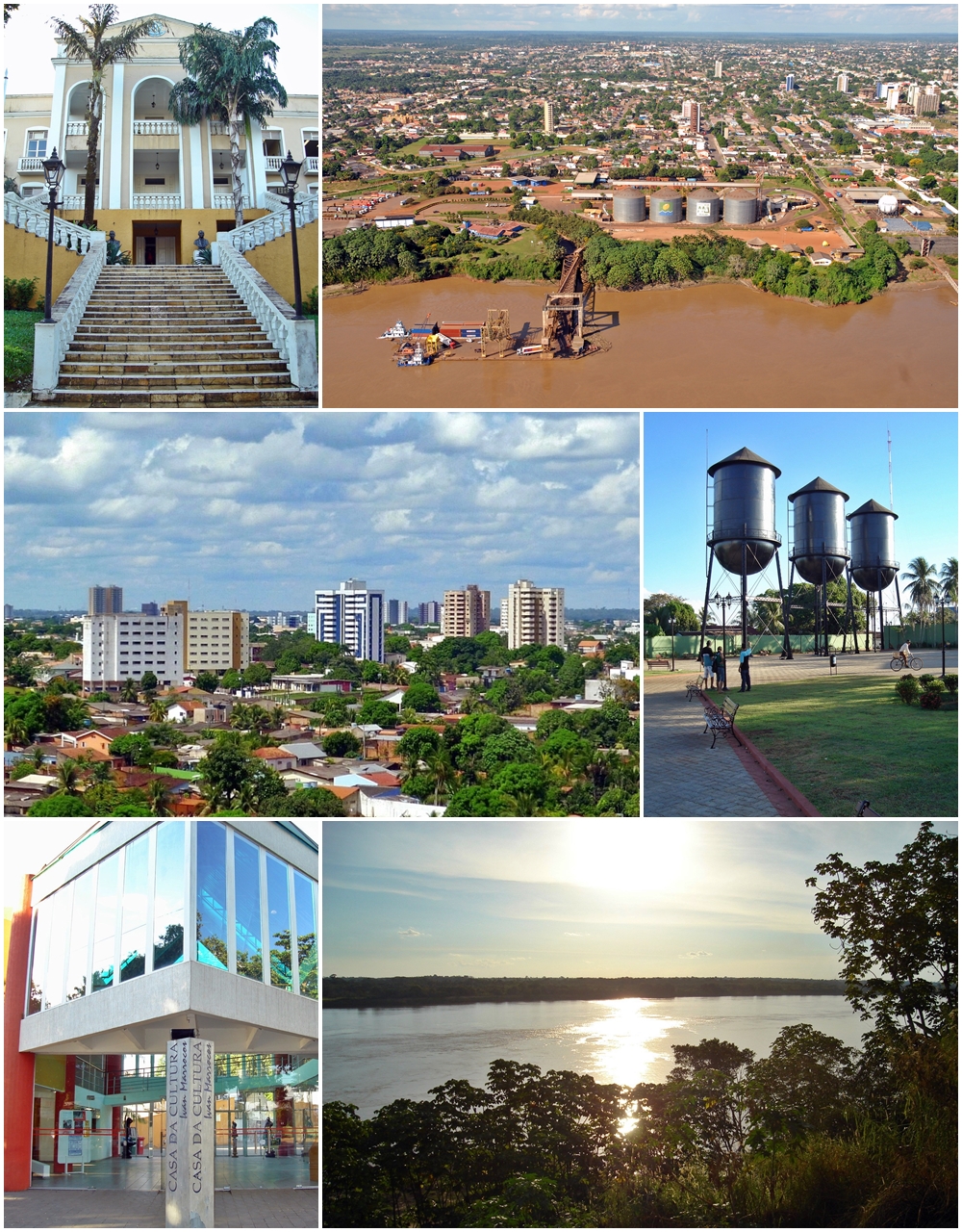
Image credit: Image: Heitor Carvalho Jorge / Wikimedia Commons, CC BY 3.0
Brazil / South America
Use the Porto Velho profile to compare affordability, livability, and economic indicators against other indexed cities in Brazil and across South America, and to explore nearby nature and weekend destinations.

Image credit: Image: Rafael Deminicis / Wikimedia Commons, CC BY-SA 4.0
Brazil / South America
Use the Vitória profile to compare affordability, livability, and economic indicators against other indexed cities in Brazil and across South America, and to explore nearby nature and weekend destinations.

Image credit: Image: Allice Hunter (compilation) / Wikimedia Commons, CC BY-SA 3.0
Brazil / South America
Use the Boa Vista profile to compare affordability, livability, and economic indicators against other indexed cities in Brazil and across South America, and to explore nearby nature and weekend destinations.

Image credit: Image: jose donizetti dias / Wikimedia Commons, CC BY-SA 3.0
Brazil / South America
Use the Macapá profile to compare affordability, livability, and economic indicators against other indexed cities in Brazil and across South America, and to explore nearby nature and weekend destinations.

Image credit: Image: Raphael Henrique Figueira / Wikimedia Commons, CC BY-SA 4.0
Brazil / South America
Use the Campinas profile to compare affordability, livability, and economic indicators against other indexed cities in Brazil and across South America, and to explore nearby nature and weekend destinations.

Image credit: Image: Diego Silvestre / Wikimedia Commons, CC BY 2.0
Brazil / South America
Use the Santos profile to compare affordability, livability, and economic indicators against other indexed cities in Brazil and across South America, and to explore nearby nature and weekend destinations.

Image credit: Image: Allice Hunter / Wikimedia Commons, CC BY-SA 4.0
Brazil / South America
Use the Olinda profile to compare affordability, livability, and economic indicators against other indexed cities in Brazil and across South America, and to explore nearby nature and weekend destinations.

Image credit: Image: DiMonteiro / Wikimedia Commons, Public Domain
Brazil / South America
Use the Niterói profile to compare affordability, livability, and economic indicators against other indexed cities in Brazil and across South America, and to explore nearby nature and weekend destinations.
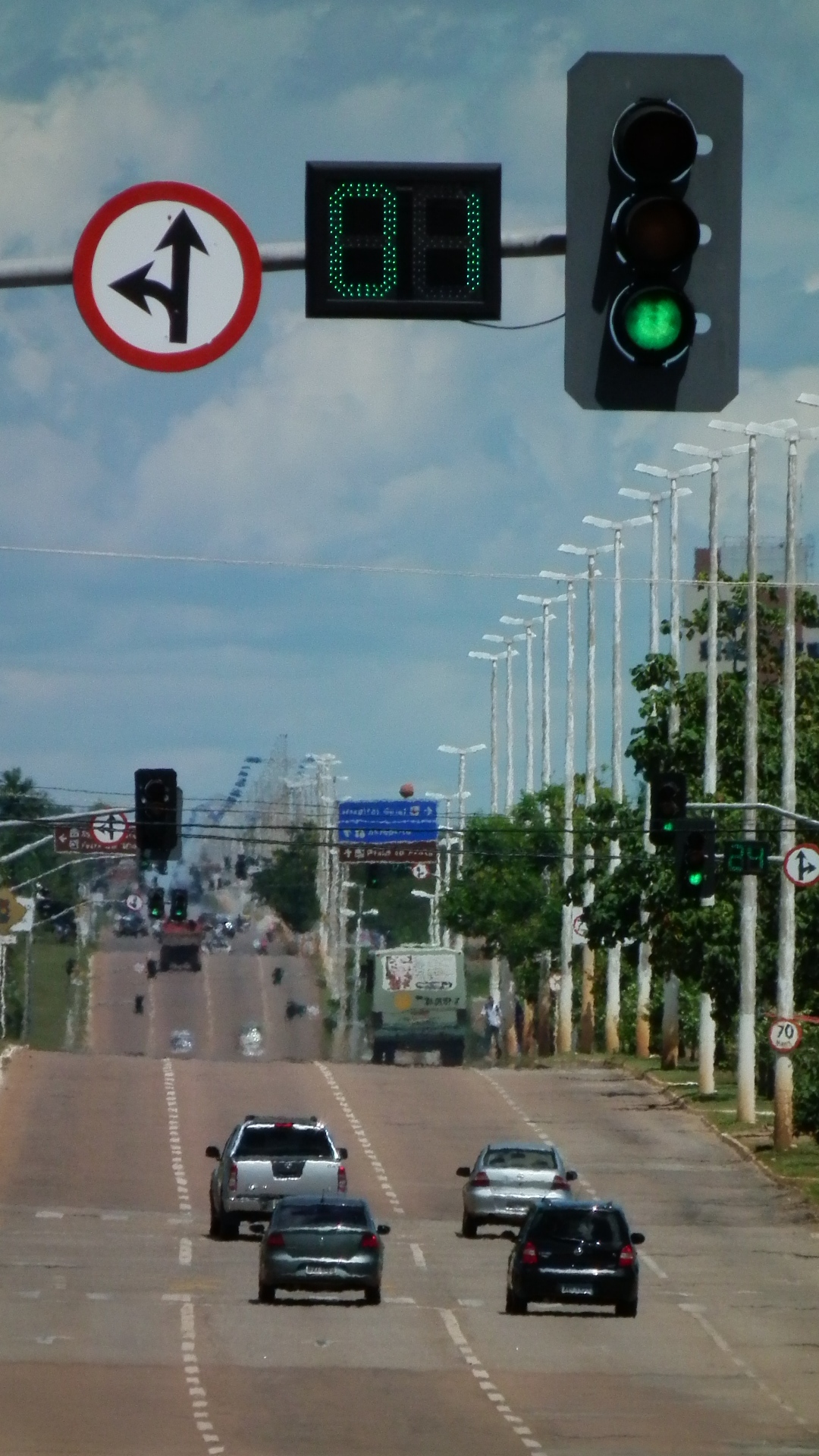
Image credit: Image: Eduardo Rolim / Wikimedia Commons, CC BY-SA 2.0
Brazil / South America
Use the Palmas profile to compare affordability, livability, and economic indicators against other indexed cities in Brazil and across South America, and to explore nearby nature and weekend destinations.

Image credit: Image: Humanoo / Wikimedia Commons, Public Domain
Brazil / South America
Use the Guarulhos profile to compare affordability, livability, and economic indicators against other indexed cities in Brazil and across South America, and to explore nearby nature and weekend destinations.

Image credit: Image: Tiago Firmino Boaven… / Wikimedia Commons, CC BY 3.0
Brazil / South America
Use the Catalão profile to compare affordability, livability, and economic indicators against other indexed cities in Brazil and across South America, and to explore nearby nature and weekend destinations.

Image credit: Image: JasonVogel1970 / Wikimedia Commons, CC BY-SA 4.0
Brazil / South America
Use the Nova Iguaçu profile to compare affordability, livability, and economic indicators against other indexed cities in Brazil and across South America, and to explore nearby nature and weekend destinations.

Image credit: Image: Ramon S. Lopes / Wikimedia Commons, CC BY-SA 4.0
Brazil / South America
Use the Santo André profile to compare affordability, livability, and economic indicators against other indexed cities in Brazil and across South America, and to explore nearby nature and weekend destinations.
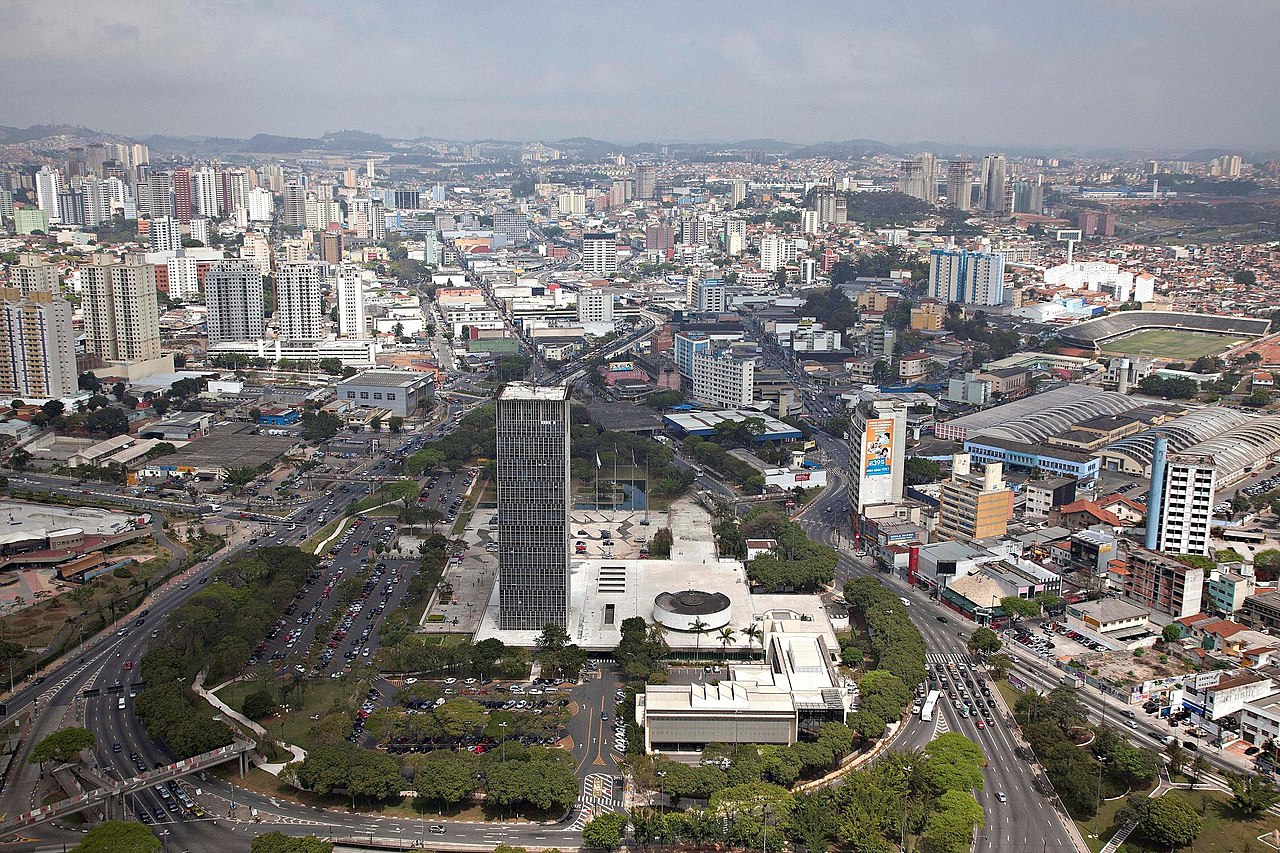
Image credit: Image: Jhlimones / Wikimedia Commons, CC BY-SA 4.0
Brazil / South America
Use the São Bernardo do Campo profile to compare affordability, livability, and economic indicators against other indexed cities in Brazil and across South America, and to explore nearby nature and weekend destinations.

Image credit: Image: Elmschrat / Wikimedia Commons, CC BY-SA 3.0
Brazil / South America
Use the Ribeirão Preto profile to compare affordability, livability, and economic indicators against other indexed cities in Brazil and across South America, and to explore nearby nature and weekend destinations.

Image credit: Image: RobSabino / Wikimedia Commons, CC BY 2.0
Brazil / South America
Use the Sorocaba profile to compare affordability, livability, and economic indicators against other indexed cities in Brazil and across South America, and to explore nearby nature and weekend destinations.

Image credit: Image: Béria Lima de Rodríguez / Wikimedia Commons, CC BY-SA 3.0
Brazil / South America
Use the São Carlos profile to compare affordability, livability, and economic indicators against other indexed cities in Brazil and across South America, and to explore nearby nature and weekend destinations.

Image credit: Image: Eugenio Hansen, OFS / Wikimedia Commons, CC BY-SA 3.0
Brazil / South America
Use the Petrópolis profile to compare affordability, livability, and economic indicators against other indexed cities in Brazil and across South America, and to explore nearby nature and weekend destinations.
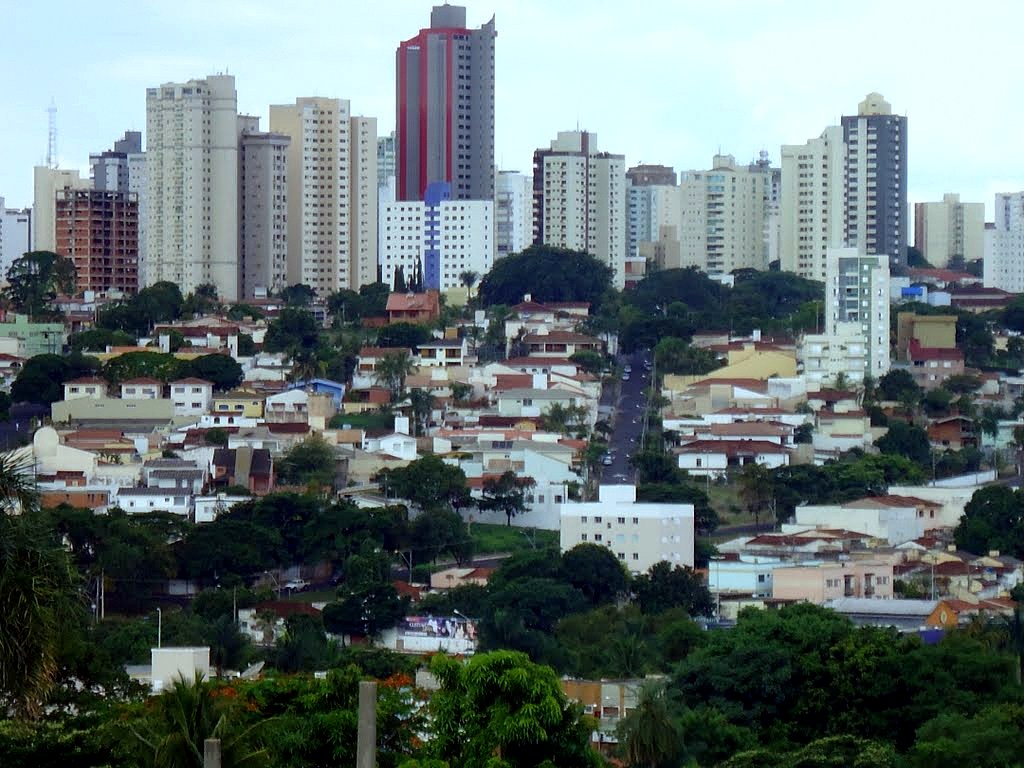
Image credit: Image: will7 / Wikimedia Commons, CC BY-SA 3.0
Brazil / South America
Use the Uberlândia profile to compare affordability, livability, and economic indicators against other indexed cities in Brazil and across South America, and to explore nearby nature and weekend destinations.

Image credit: Image: Mirian Menezes de Oliveira / Wikimedia Commons, CC BY-SA 4.0
Brazil / South America
Use the São José dos Campos profile to compare affordability, livability, and economic indicators against other indexed cities in Brazil and across South America, and to explore nearby nature and weekend destinations.

Image credit: Image: RIB.ptg / Wikimedia Commons, CC BY-SA 4.0
Brazil / South America
Use the São Gonçalo profile to compare affordability, livability, and economic indicators against other indexed cities in Brazil and across South America, and to explore nearby nature and weekend destinations.

Image credit: Image: Luiz Antonio Silva / Wikimedia Commons, CC BY 3.0
Brazil / South America
Use the Duque de Caxias profile to compare affordability, livability, and economic indicators against other indexed cities in Brazil and across South America, and to explore nearby nature and weekend destinations.

Image credit: Image: Tetraktys / Wikimedia Commons, CC BY 3.0
Brazil / South America
Use the Caxias do Sul profile to compare affordability, livability, and economic indicators against other indexed cities in Brazil and across South America, and to explore nearby nature and weekend destinations.

Image credit: Image: Ahlan F. Dias / Wikimedia Commons, CC BY-SA 3.0
Brazil / South America
Use the Joinville profile to compare affordability, livability, and economic indicators against other indexed cities in Brazil and across South America, and to explore nearby nature and weekend destinations.

Image credit: Image: Allice Hunter / Wikimedia Commons, CC BY-SA 4.0
Brazil / South America
Use the Londrina profile to compare affordability, livability, and economic indicators against other indexed cities in Brazil and across South America, and to explore nearby nature and weekend destinations.

Image credit: Image: Mário L. Cavicchiolli / Wikimedia Commons, CC BY-SA 4.0
Brazil / South America
Use the Americana profile to compare affordability, livability, and economic indicators against other indexed cities in Brazil and across South America, and to explore nearby nature and weekend destinations.

Image credit: Image: Rcandre / Wikimedia Commons, CC BY-SA 4.0
Brazil / South America
Use the Juiz de Fora profile to compare affordability, livability, and economic indicators against other indexed cities in Brazil and across South America, and to explore nearby nature and weekend destinations.

Image credit: Image: Henrique Boney / Wikimedia Commons, CC BY-SA 3.0
Brazil / South America
Use the Mogi das Cruzes profile to compare affordability, livability, and economic indicators against other indexed cities in Brazil and across South America, and to explore nearby nature and weekend destinations.

Image credit: Image: Dee Mercês / Wikimedia Commons, CC BY-SA 4.0
Brazil / South America
Use the Feira de Santana profile to compare affordability, livability, and economic indicators against other indexed cities in Brazil and across South America, and to explore nearby nature and weekend destinations.

Image credit: Image: Creedence / Wikimedia Commons, CC BY-SA 4.0
Brazil / South America
Use the São José do Rio Preto profile to compare affordability, livability, and economic indicators against other indexed cities in Brazil and across South America, and to explore nearby nature and weekend destinations.

Image credit: Image: charles242 / Wikimedia Commons, CC BY 3.0
Brazil / South America
Use the Blumenau profile to compare affordability, livability, and economic indicators against other indexed cities in Brazil and across South America, and to explore nearby nature and weekend destinations.

Image credit: Image: HVL / Wikimedia Commons, CC BY 4.0
Brazil / South America
Use the Coronel Fabriciano profile to compare affordability, livability, and economic indicators against other indexed cities in Brazil and across South America, and to explore nearby nature and weekend destinations.

Image credit: Image: RMPalhares / Wikimedia Commons, CC BY-SA 3.0
Brazil / South America
Use the Anápolis profile to compare affordability, livability, and economic indicators against other indexed cities in Brazil and across South America, and to explore nearby nature and weekend destinations.
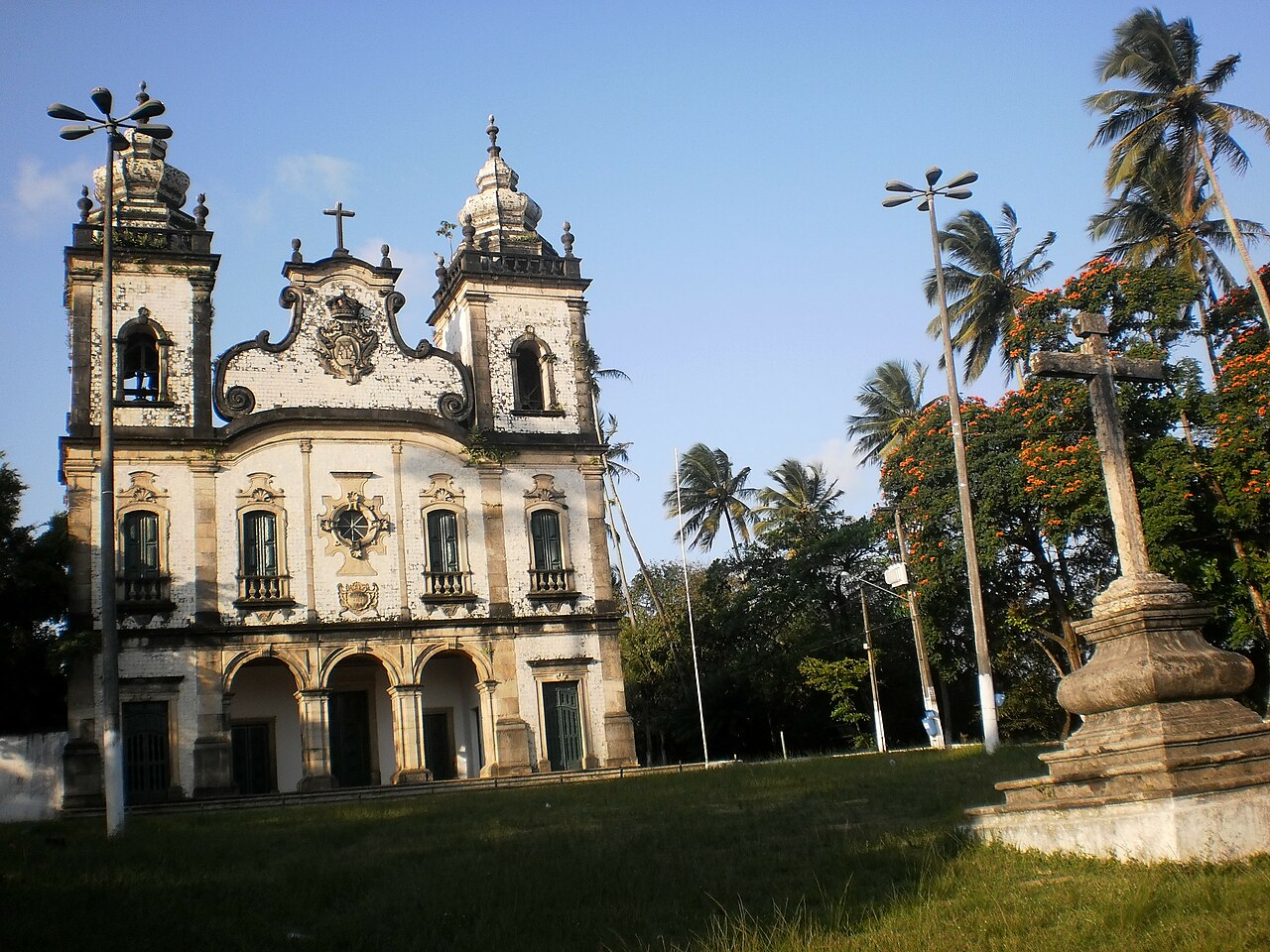
Image credit: Image: Josuel21 / Wikimedia Commons, CC BY-SA 3.0
Brazil / South America
Use the Jaboatão dos Guararapes profile to compare affordability, livability, and economic indicators against other indexed cities in Brazil and across South America, and to explore nearby nature and weekend destinations.

Image credit: Image: Foto: Arquivo/Ascom / Wikimedia Commons, CC BY-SA 4.0
Brazil / South America
Use the Pelotas profile to compare affordability, livability, and economic indicators against other indexed cities in Brazil and across South America, and to explore nearby nature and weekend destinations.

Image credit: Image: HVL / Wikimedia Commons, CC BY 4.0
Brazil / South America
Use the Vila Velha profile to compare affordability, livability, and economic indicators against other indexed cities in Brazil and across South America, and to explore nearby nature and weekend destinations.

Image credit: Image: Allice Hunter / Wikimedia Commons, CC BY-SA 4.0
Brazil / South America
Use the Maringá profile to compare affordability, livability, and economic indicators against other indexed cities in Brazil and across South America, and to explore nearby nature and weekend destinations.
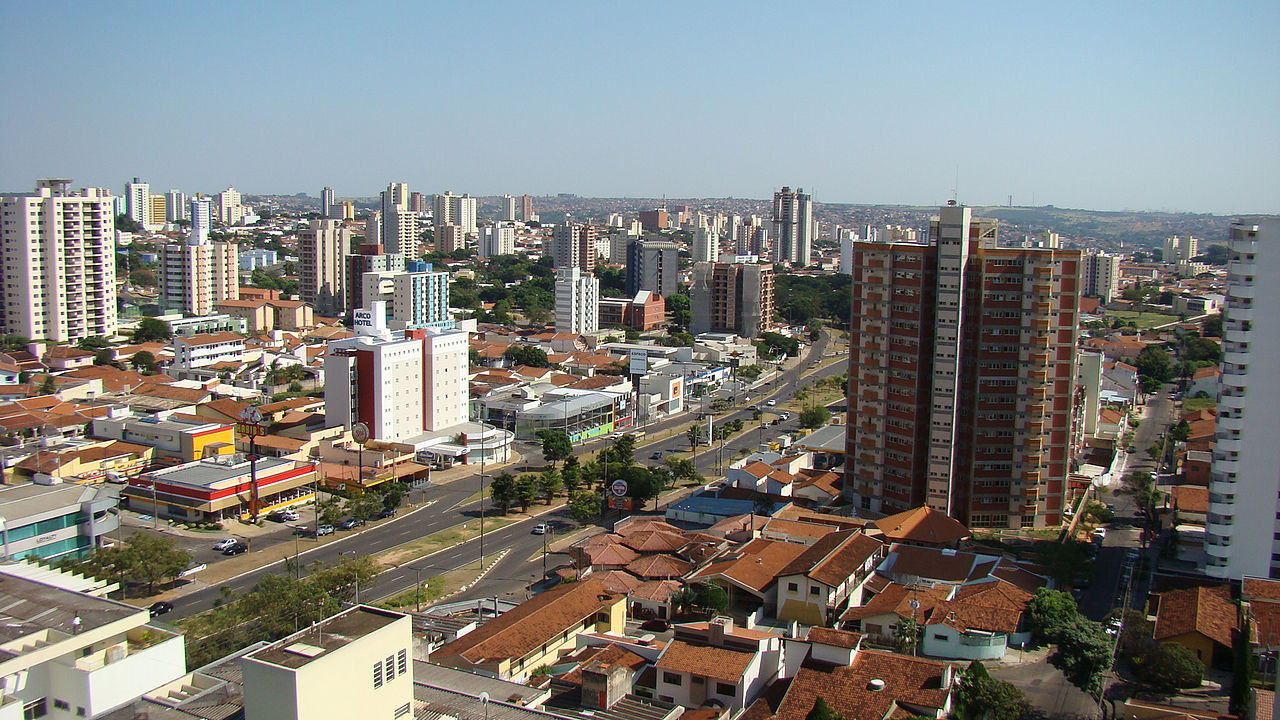
Image credit: Image: Marco Senche / Marco Antônio / Wikimedia Commons, CC BY-SA 2.0
Brazil / South America
Use the Bauru profile to compare affordability, livability, and economic indicators against other indexed cities in Brazil and across South America, and to explore nearby nature and weekend destinations.
Image credit: Image: Hallel / Wikimedia Commons, CC BY-SA 4.0
Brazil / South America
Use the Marabá profile to compare affordability, livability, and economic indicators against other indexed cities in Brazil and across South America, and to explore nearby nature and weekend destinations.

Image credit: Image: Intruso / Wikimedia Commons, CC0
Brazil / South America
Use the Taubaté profile to compare affordability, livability, and economic indicators against other indexed cities in Brazil and across South America, and to explore nearby nature and weekend destinations.

Image credit: Image: Lula Oficial / Wikimedia Commons, CC BY-SA 2.0
Brazil / South America
Use the Contagem profile to compare affordability, livability, and economic indicators against other indexed cities in Brazil and across South America, and to explore nearby nature and weekend destinations.

Image credit: Image: SamirNosteb / Wikimedia Commons, CC BY 3.0
Brazil / South America
Use the Foz do Iguaçu profile to compare affordability, livability, and economic indicators against other indexed cities in Brazil and across South America, and to explore nearby nature and weekend destinations.

Image credit: Image: Daniel Pavan e Silva / Wikimedia Commons, CC BY-SA 3.0
Brazil / South America
Use the Jundiaí profile to compare affordability, livability, and economic indicators against other indexed cities in Brazil and across South America, and to explore nearby nature and weekend destinations.
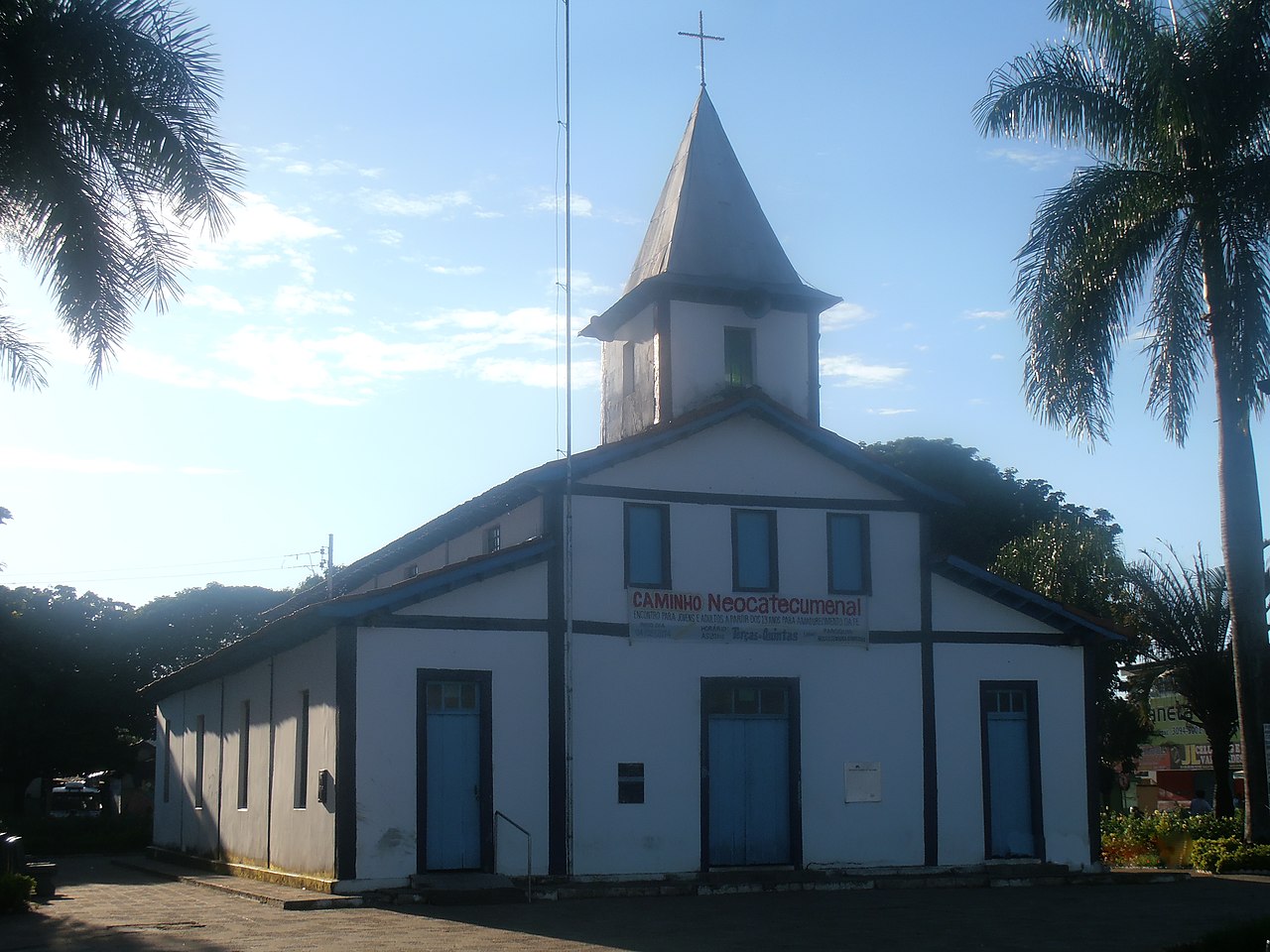
Image credit: Image: Josue Marinho / Wikimedia Commons, CC BY 3.0
Brazil / South America
Use the Aparecida de Goiânia profile to compare affordability, livability, and economic indicators against other indexed cities in Brazil and across South America, and to explore nearby nature and weekend destinations.

Image credit: Image: Ana Paula Hirama / Wikimedia Commons, CC BY-SA 3.0
Brazil / South America
Use the Piracicaba profile to compare affordability, livability, and economic indicators against other indexed cities in Brazil and across South America, and to explore nearby nature and weekend destinations.

Image credit: Image: MTur Destinos / Wikimedia Commons, Public Domain
Brazil / South America
Use the Campina Grande profile to compare affordability, livability, and economic indicators against other indexed cities in Brazil and across South America, and to explore nearby nature and weekend destinations.
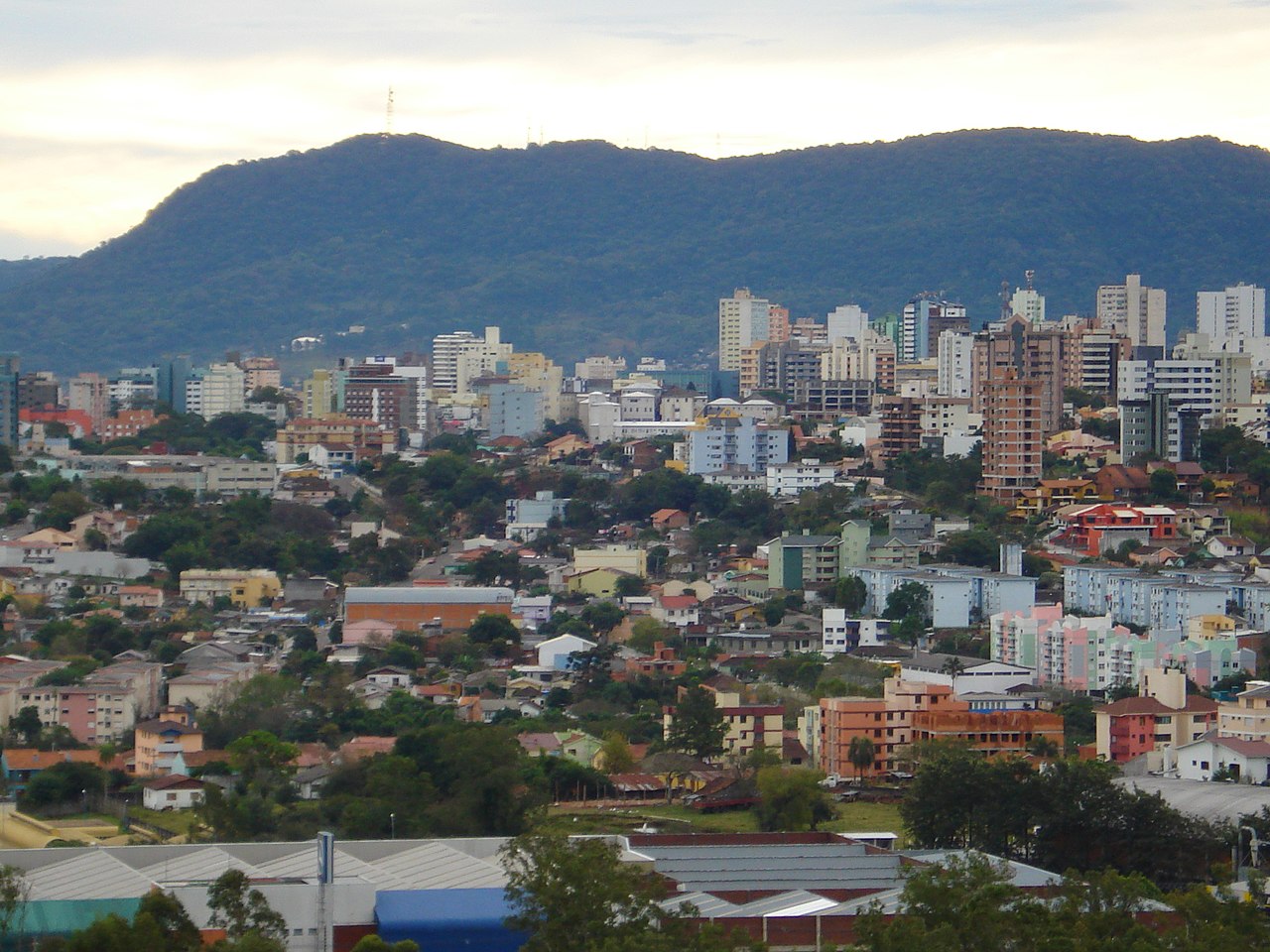
Image credit: Image: CLUBE TREKKING SANTA MARIA RS BRASIL / Wikimedia Commons, CC BY 2.0
Brazil / South America
Use the Santa Maria profile to compare affordability, livability, and economic indicators against other indexed cities in Brazil and across South America, and to explore nearby nature and weekend destinations.

Image credit: Image: Tribunal de Justica do Estado do Pará / Wikimedia Commons, Public Domain
Brazil / South America
Use the Ananindeua profile to compare affordability, livability, and economic indicators against other indexed cities in Brazil and across South America, and to explore nearby nature and weekend destinations.

Image credit: Image: Vladhillrj / Wikimedia Commons, CC BY-SA 3.0
Brazil / South America
Use the Campos dos Goytacazes profile to compare affordability, livability, and economic indicators against other indexed cities in Brazil and across South America, and to explore nearby nature and weekend destinations.

Image credit: Image: Photograph by Mike Peel ( www.mikepeel.net ). / Wikimedia Commons, CC BY-SA 4.0
Brazil / South America
Use the Guarujá profile to compare affordability, livability, and economic indicators against other indexed cities in Brazil and across South America, and to explore nearby nature and weekend destinations.

Image credit: Image: Davi Leandro / Wikimedia Commons, CC BY 3.0
Brazil / South America
Use the Uberaba profile to compare affordability, livability, and economic indicators against other indexed cities in Brazil and across South America, and to explore nearby nature and weekend destinations.

Image credit: Image: Bravotata / Wikimedia Commons, CC BY-SA 3.0
Brazil / South America
Use the Canoas profile to compare affordability, livability, and economic indicators against other indexed cities in Brazil and across South America, and to explore nearby nature and weekend destinations.

Image credit: Image: Jefo1234 / Wikimedia Commons, CC BY-SA 3.0
Brazil / South America
Use the Ponta Grossa profile to compare affordability, livability, and economic indicators against other indexed cities in Brazil and across South America, and to explore nearby nature and weekend destinations.

Image credit: Image: Diego Torres Silvestre / Wikimedia Commons, CC BY 2.0
Brazil / South America
Use the São Vicente profile to compare affordability, livability, and economic indicators against other indexed cities in Brazil and across South America, and to explore nearby nature and weekend destinations.

Image credit: Image: Juniorpetjua (compilation) / Wikimedia Commons, CC BY-SA 3.0
Brazil / South America
Use the Caruaru profile to compare affordability, livability, and economic indicators against other indexed cities in Brazil and across South America, and to explore nearby nature and weekend destinations.

Image credit: Image: Agência Heromax / Wikimedia Commons, CC BY-SA 4.0
Brazil / South America
Use the Vitória da Conquista profile to compare affordability, livability, and economic indicators against other indexed cities in Brazil and across South America, and to explore nearby nature and weekend destinations.

Image credit: Image: Leonardo.stabile / Wikimedia Commons, Public Domain
Brazil / South America
Use the Cascavel profile to compare affordability, livability, and economic indicators against other indexed cities in Brazil and across South America, and to explore nearby nature and weekend destinations.

Image credit: Image: José Roberto Nascimento Freitas / Wikimedia Commons, CC BY-SA 4.0
Brazil / South America
Use the Franca profile to compare affordability, livability, and economic indicators against other indexed cities in Brazil and across South America, and to explore nearby nature and weekend destinations.
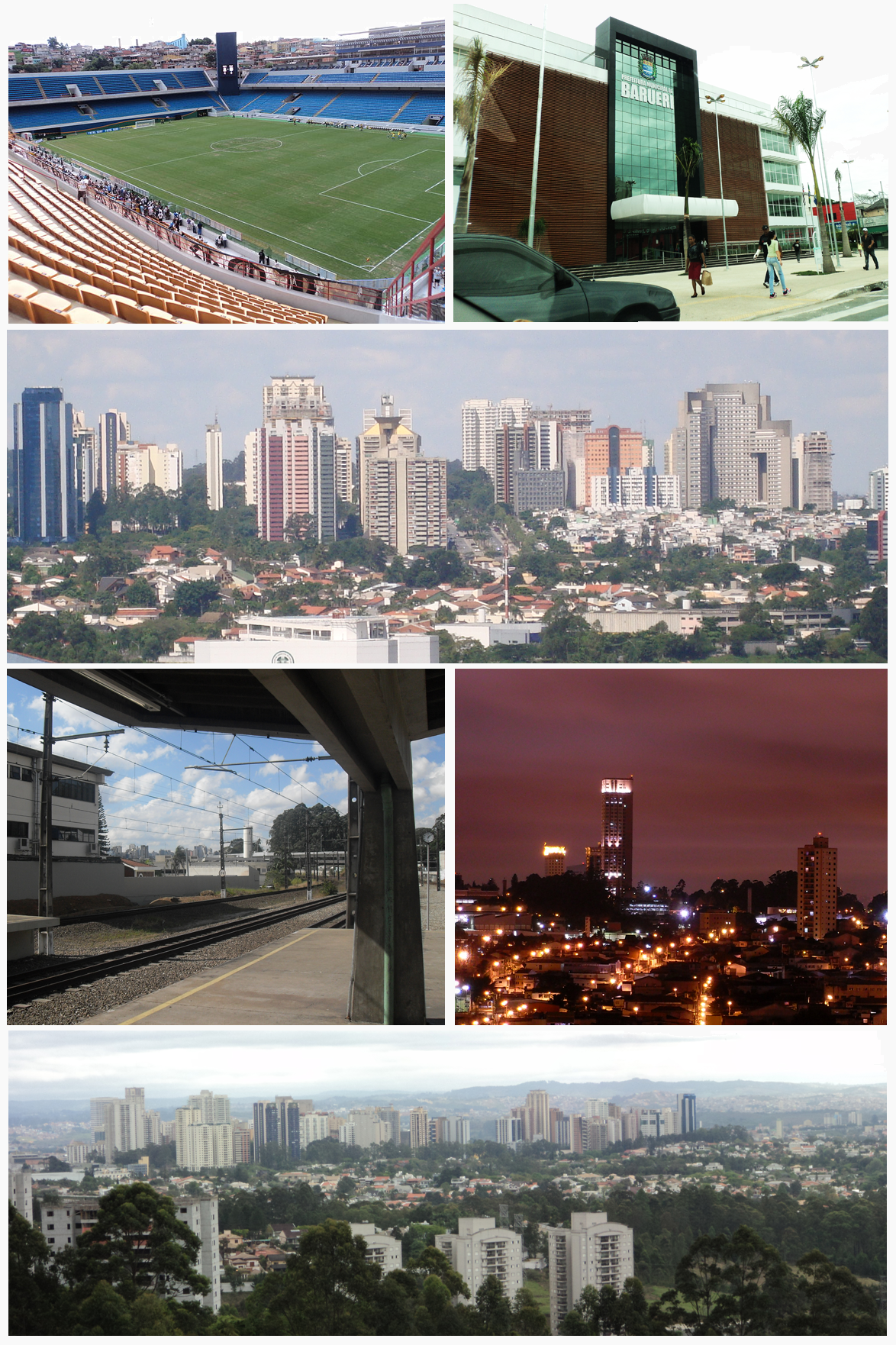
Image credit: Image: Lucas gc / Wikimedia Commons, Public Domain
Brazil / South America
Use the Barueri profile to compare affordability, livability, and economic indicators against other indexed cities in Brazil and across South America, and to explore nearby nature and weekend destinations.

Image credit: Image: Lopmed / Wikimedia Commons, Public Domain
Brazil / South America
Use the Santarém profile to compare affordability, livability, and economic indicators against other indexed cities in Brazil and across South America, and to explore nearby nature and weekend destinations.

Image credit: Image: Bageense_ / Wikimedia Commons, CC BY-SA 2.0
Brazil / South America
Use the Bagé profile to compare affordability, livability, and economic indicators against other indexed cities in Brazil and across South America, and to explore nearby nature and weekend destinations.

Image credit: Image: Abdias Jr / Wikimedia Commons, CC BY 2.0
Brazil / South America
Use the Petrolina profile to compare affordability, livability, and economic indicators against other indexed cities in Brazil and across South America, and to explore nearby nature and weekend destinations.

Image credit: Image: GESP / Wikimedia Commons, CC BY 2.0
Brazil / South America
Use the Itaquaquecetuba profile to compare affordability, livability, and economic indicators against other indexed cities in Brazil and across South America, and to explore nearby nature and weekend destinations.
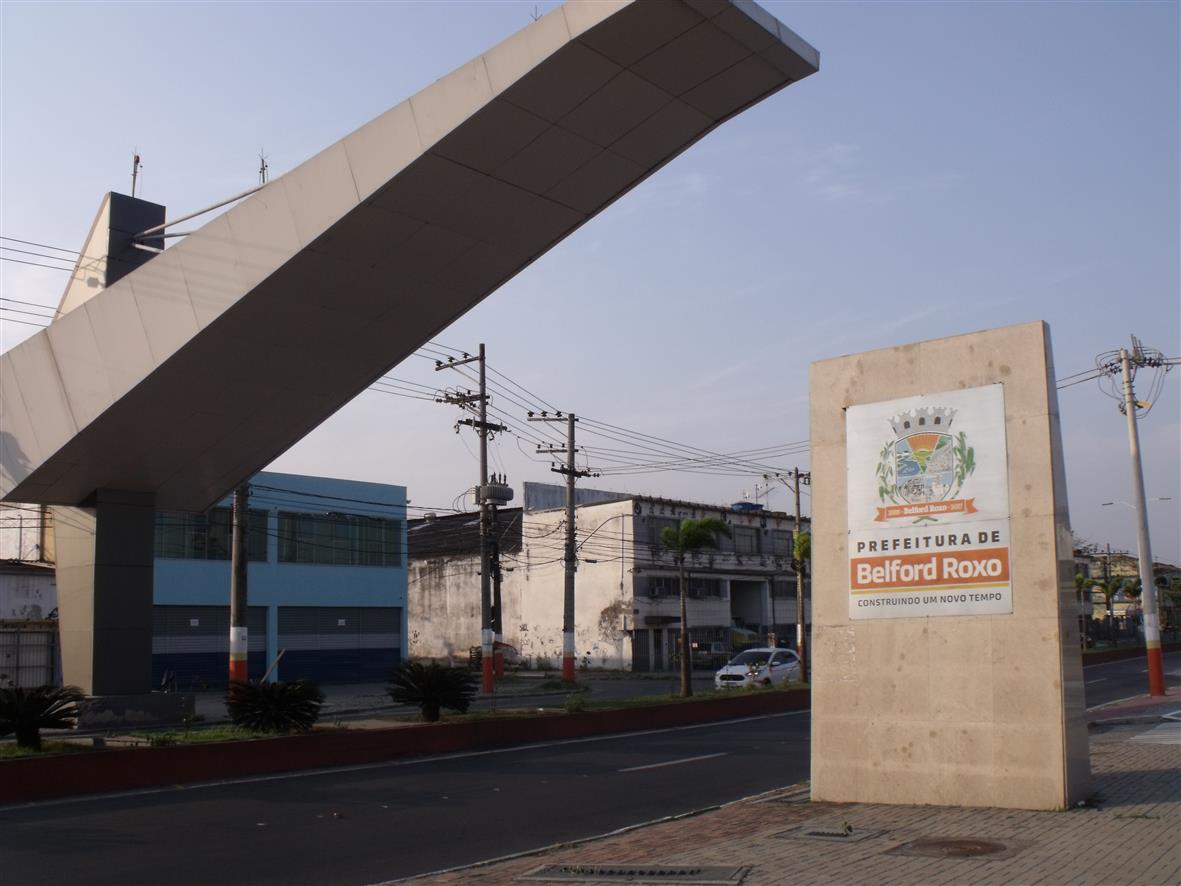
Image credit: Image: Sir Velpertex di Crantx / Wikimedia Commons, CC BY-SA 4.0
Brazil / South America
Use the Belford Roxo profile to compare affordability, livability, and economic indicators against other indexed cities in Brazil and across South America, and to explore nearby nature and weekend destinations.
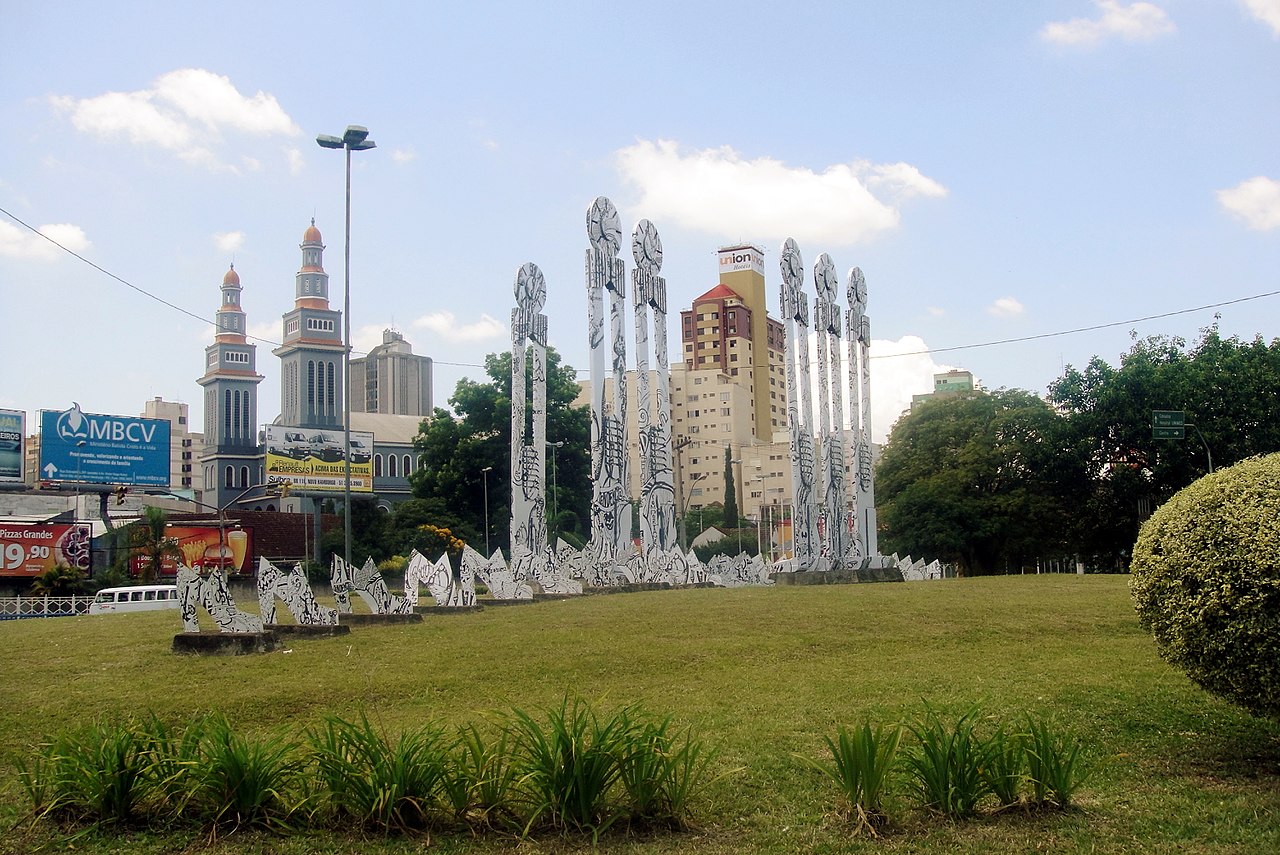
Image credit: Image: Claitonmedina / Wikimedia Commons, CC0
Brazil / South America
Use the Novo Hamburgo profile to compare affordability, livability, and economic indicators against other indexed cities in Brazil and across South America, and to explore nearby nature and weekend destinations.

Image credit: Image: UmCriadorDiferente1648 / Wikimedia Commons, CC BY 4.0
Brazil / South America
Use the Diadema profile to compare affordability, livability, and economic indicators against other indexed cities in Brazil and across South America, and to explore nearby nature and weekend destinations.

Image credit: Image: Lialll / Wikimedia Commons, CC BY-SA 4.0
Brazil / South America
Use the Mauá profile to compare affordability, livability, and economic indicators against other indexed cities in Brazil and across South America, and to explore nearby nature and weekend destinations.

Image credit: Image: Helder Felipe / Wikimedia Commons, CC BY-SA 4.0
Brazil / South America
Use the Betim profile to compare affordability, livability, and economic indicators against other indexed cities in Brazil and across South America, and to explore nearby nature and weekend destinations.

Image credit: Image: ricardobc / Wikimedia Commons, CC BY 3.0
Brazil / South America
Use the Juazeiro profile to compare affordability, livability, and economic indicators against other indexed cities in Brazil and across South America, and to explore nearby nature and weekend destinations.

Image credit: Image: Bunks / Wikimedia Commons, Public Domain
Brazil / South America
Use the Ilhéus profile to compare affordability, livability, and economic indicators against other indexed cities in Brazil and across South America, and to explore nearby nature and weekend destinations.

Image credit: Image: Adilson Fagundes / Wikimedia Commons, CC BY 3.0
Brazil / South America
Use the Governador Valadares profile to compare affordability, livability, and economic indicators against other indexed cities in Brazil and across South America, and to explore nearby nature and weekend destinations.

Image credit: Image: diversidadedeolhar / Wikimedia Commons, CC BY 2.0
Brazil / South America
Use the Trindade profile to compare affordability, livability, and economic indicators against other indexed cities in Brazil and across South America, and to explore nearby nature and weekend destinations.

Image credit: Image: Denis Rizzoli / Wikimedia Commons, CC BY-SA 3.0
Brazil / South America
Use the Serra profile to compare affordability, livability, and economic indicators against other indexed cities in Brazil and across South America, and to explore nearby nature and weekend destinations.

Image credit: Image: Alexandre Amorim Caa… / Wikimedia Commons, CC BY-SA 3.0
Brazil / South America
Use the Volta Redonda profile to compare affordability, livability, and economic indicators against other indexed cities in Brazil and across South America, and to explore nearby nature and weekend destinations.
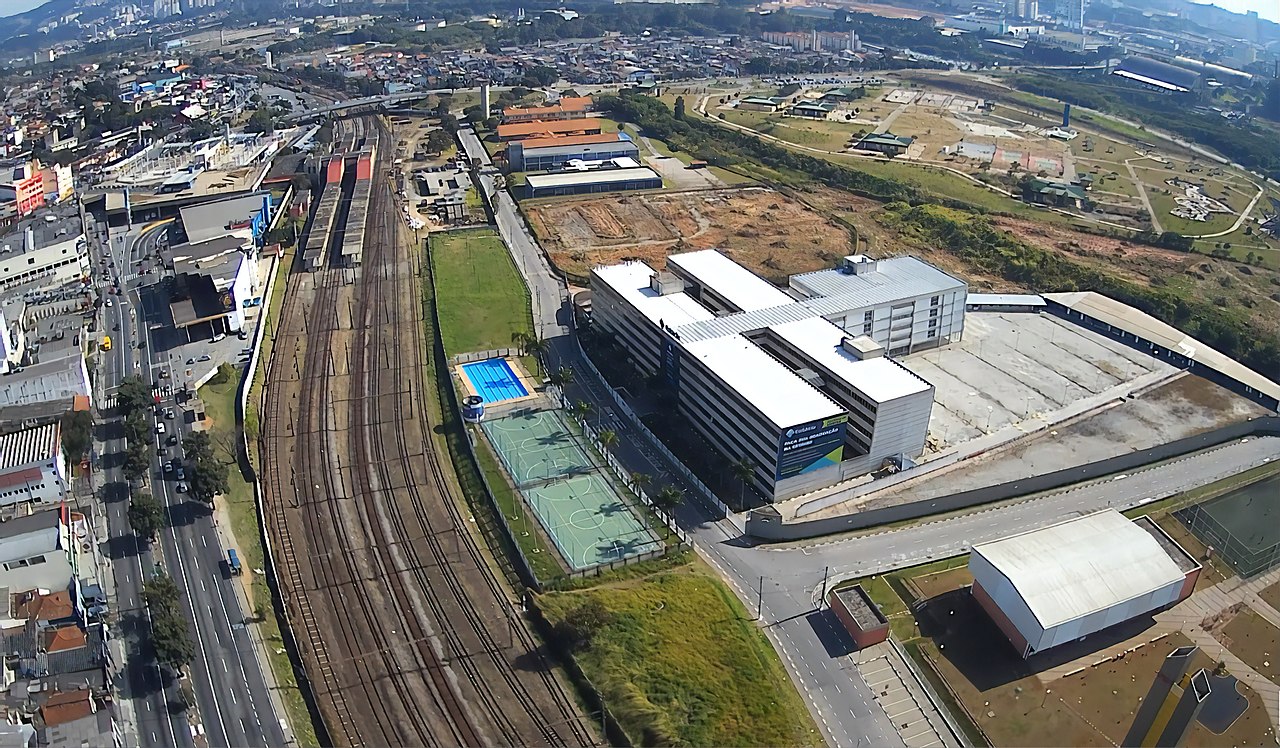
Image credit: Image: Teuz Wiki / Wikimedia Commons, CC BY-SA 4.0
Brazil / South America
Use the Carapicuíba profile to compare affordability, livability, and economic indicators against other indexed cities in Brazil and across South America, and to explore nearby nature and weekend destinations.

Image credit: Image: Nonotosko / Wikimedia Commons, CC BY-SA 3.0
Brazil / South America
Use the Limeira profile to compare affordability, livability, and economic indicators against other indexed cities in Brazil and across South America, and to explore nearby nature and weekend destinations.

Image credit: Image: Junius / Wikimedia Commons, Public Domain
Brazil / South America
Use the São João de Meriti profile to compare affordability, livability, and economic indicators against other indexed cities in Brazil and across South America, and to explore nearby nature and weekend destinations.

Image credit: Image: Lula Oficial / Wikimedia Commons, CC BY-SA 4.0
Brazil / South America
Use the Montes Claros profile to compare affordability, livability, and economic indicators against other indexed cities in Brazil and across South America, and to explore nearby nature and weekend destinations.

Image credit: Image: Fernando Santos Cunha Filho / Wikimedia Commons, CC BY 3.0
Brazil / South America
Use the Imperatriz profile to compare affordability, livability, and economic indicators against other indexed cities in Brazil and across South America, and to explore nearby nature and weekend destinations.

Image credit: Image: Deyvid Setti e Eloy Olindo Setti / Wikimedia Commons, Public Domain
Brazil / South America
Use the São José dos Pinhais profile to compare affordability, livability, and economic indicators against other indexed cities in Brazil and across South America, and to explore nearby nature and weekend destinations.

Image credit: Image: Achim Berg / Wikimedia Commons, CC BY 4.0
Brazil / South America
Use the São Leopoldo profile to compare affordability, livability, and economic indicators against other indexed cities in Brazil and across South America, and to explore nearby nature and weekend destinations.

Image credit: Image: Jerônimo Freitas Rodrigues de Carvalho / Wikimedia Commons, Public Domain
Brazil / South America
Use the Dourados profile to compare affordability, livability, and economic indicators against other indexed cities in Brazil and across South America, and to explore nearby nature and weekend destinations.
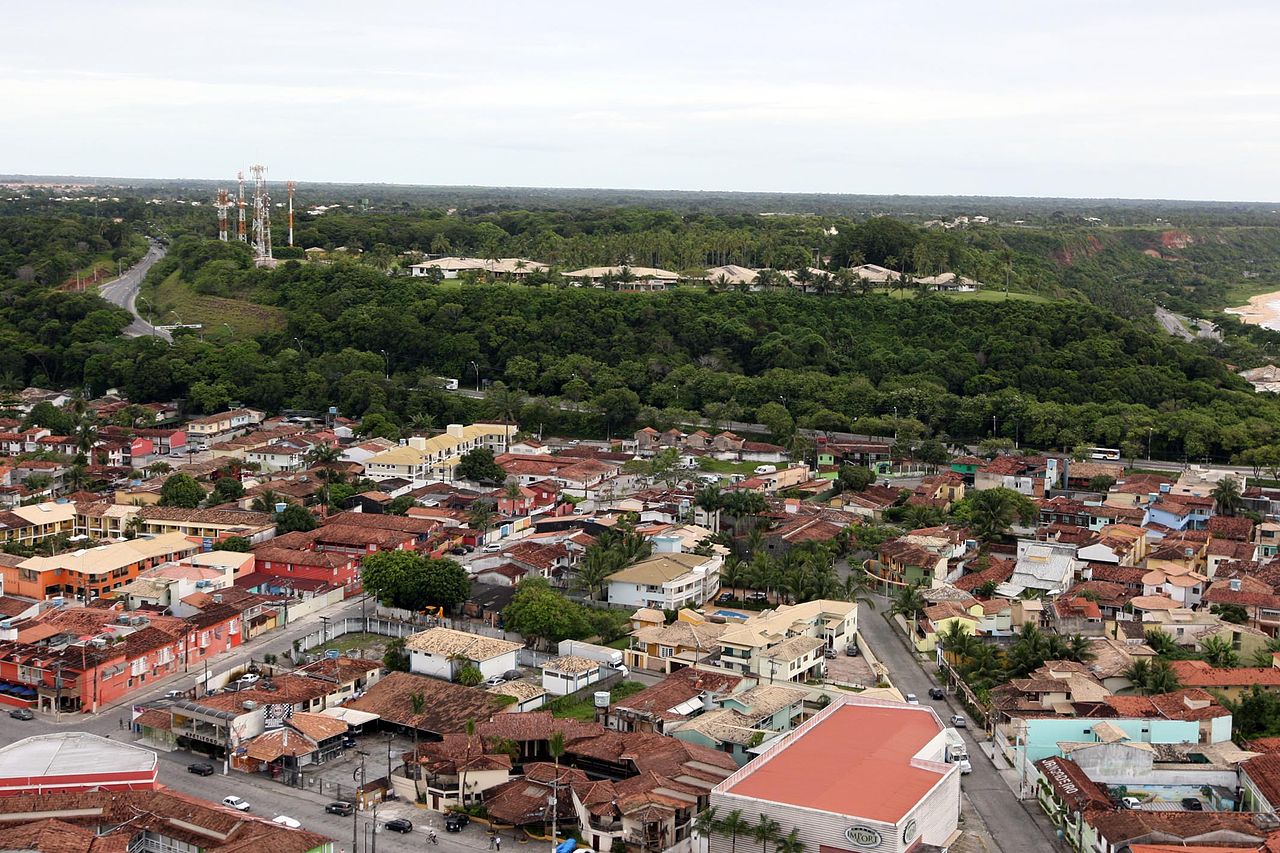
Image credit: Image: Fotos GOVBA from Bahia/Brasil / Wikimedia Commons, CC BY 2.0
Brazil / South America
Use the Porto Seguro profile to compare affordability, livability, and economic indicators against other indexed cities in Brazil and across South America, and to explore nearby nature and weekend destinations.

Image credit: Image: Zekialves / Wikimedia Commons, CC BY-SA 3.0
Brazil / South America
Use the Presidente Prudente profile to compare affordability, livability, and economic indicators against other indexed cities in Brazil and across South America, and to explore nearby nature and weekend destinations.
Source-attributed country-level indicators for Brazil, drawn from the World Bank Development Indicators. Use the cards and table together to compare scale, unit, and data year for each metric.
Country-level, not city-level
Indicators describe national context. Pair them with city profiles, comparisons, and verified utility layers (emergency, healthcare, transport) for local detail.
Source-attributed where available
Values come from the World Bank Development Indicators. Where no verified record exists, the platform shows a transparent fallback rather than a guessed number.
Different indicators, different years
Each record carries its own data year because publishers refresh indicators on their own cadence. The card and table both display the year alongside the value.
Context, not a ranking
Treat indicators as orientation, not as a leaderboard. The platform never claims any country is best, safest, cleanest, richest, healthiest, or most connected.
Read alongside city intelligence
Country indicators are most useful when combined with the city profiles in the country, the public-safety, healthcare, and transport sections, and the methodology and data-sources pages.
For full construction details, read the methodology page and the data sources registry.
National-level economic signals to read alongside city-level cost and services pages.
GDP per capita
VerifiedEconomic context only — not a cost-of-living score or a household-income measure.
Data year 2024 updated 2026-09-08
Unemployment rate
VerifiedModeled ILO labor-market context — not a guarantee of job availability for any specific worker.
Data year 2025 updated 2026-04-08
National scale and urbanisation context; pair with city profiles for local detail.
Population
VerifiedNational scale only — not a city population value or a measure of urban density.
Data year 2024 updated 2026-04-08
Urban population share
VerifiedShare of population living in urban areas — not a quality-of-life or urban-form measure.
Data year 2024 updated 2026-04-08
Connectivity context drawn from World Bank usage and subscription indicators.
Internet usage
VerifiedShare of population that uses the internet — not a measure of connection speed or quality.
Data year 2024 updated 2026-04-08
Fixed broadband subscriptions
VerifiedFixed broadband subscriptions per 100 people — not a measure of overall internet quality or speed.
Data year 2024 updated 2026-04-08
National health-system context; not a substitute for verified city-level healthcare layers.
Life expectancy
VerifiedNational health-context indicator — not individual health guidance.
Data year 2024 updated 2026-04-08
Health expenditure per capita
VerifiedPer-capita spending context — not a measure of healthcare quality or access for any individual.
Data year 2023 updated 2026-04-08
National emissions context; read separately from city-level air-quality data.
CO₂ emissions per capita
VerifiedNational emissions context — not a city-level air-quality measurement.
Data year 2024 updated 2026-04-08
| Indicator | Value | Unit | Data year | Status |
|---|---|---|---|---|
| Population | 211,998,573 | people | 2024 | Verified |
| Internet usage | 84.46 | percent | 2024 | Verified |
| Urban population share | 87.9 | percent | 2024 | Verified |
| GDP per capita | 10,310.55 | current US$ | 2024 | Verified |
| Life expectancy | 76.02 | years | 2024 | Verified |
| Health expenditure per capita | 1,009.84 | current US$ | 2023 | Verified |
| Unemployment rate | 5.97 | percent | 2025 | Verified |
| CO₂ emissions per capita | 2.32 | metric tons per capita | 2024 | Verified |
| Fixed broadband subscriptions | 24.08 | per 100 people | 2024 | Verified |
Global City Intelligence — country indicators dataset
VerifiedCountry indicator values appear in this section only after they are sourced from accepted publishers and validated at build time. Malformed records cannot ship to production.
Verified emergency contacts for Brazil, drawn from official emergency services and government publishers. Use these as a starting point and confirm current details with local authorities before traveling or relocating.
Methodology and the wider source registry are documented on the scoring methodology and data sources pages.
Verified national healthcare information for Brazil, drawn from official government and public health publishers. This is informational only and does not provide medical advice.
Related sections: emergency and public safety, scoring methodology, and data sources.
Verified national transport context for Brazil, attributed to official transport ministries, national operators, and aviation authorities. This is informational only; routes, fares, and schedules change frequently — check the linked authorities for current details.
Related sections: emergency and public safety, healthcare and hospitals, cities directory, countries directory, scoring methodology, data sources.
Curated city-vs-city comparisons that include at least one city from Brazil. Each link opens a comparison page with structured indicators across cost, safety, healthcare, transport, and country context.
Curated city collections that include at least one Brazil city. Each collection is a comparison-oriented shortlist, not an official ranking.
No curated city collections currently reference Brazil cities. Browse the Best Cities collections index for related shortlists.
Explore rankings where supported Brazil city profiles appear. Use rankings as directional city intelligence, not an official government ranking.
Ranking
A balanced ranking of cities across affordability, air quality, clean-energy readiness, and resilience.
104 cities from Brazil appears in this ranking
Ranking
Cities that combine strong services, mobility, safety, clean air, and resilience into a healthy day-to-day profile.
104 cities from Brazil appears in this ranking
Ranking
Cities that combine fast connectivity, safety, healthy day-to-day life, and a manageable cost-of-living balance for remote and hybrid workers.
104 cities from Brazil appears in this ranking
Ranking
A health-oriented comparison of city air-quality scores using WHO-centered pollutant interpretation.
104 cities from Brazil appears in this ranking
Ranking
Cities ranked by cost-of-living score, weighing housing pressure, essential spending, and household offsets across global metros.
104 cities from Brazil appears in this ranking
Ranking
Cities ranked by internet speed, mobile coverage, and digital-readiness depth for residents, businesses, and remote workers.
104 cities from Brazil appears in this ranking
Ranking
A ranking of city energy-transition readiness, grid resilience, clean-resource potential, and adaptation capacity.
104 cities from Brazil appears in this ranking
Ranking
A practical affordability ranking that weighs housing pressure against transport access, services, and opportunity density.
104 cities from Brazil appears in this ranking
See the full rankings directory for every available structured ranking.
Across 104 indexed cities, São Paulo leads at 76/100 and São Vicente sits at 62/100. Use the country page as a parent context layer; module-level detail lives on each city profile. Data year 2025; last updated 2026-05-16. Drawn from 5 institutional references.
Structured indicators on this hub are directional and intended for orientation. Verified utility layers — emergency, healthcare, transport — are attributed to official publishers where available and use transparent fallback states where verified country-level data is not yet integrated.
Structured indicators on this page are directional and intended for orientation. Verified datasets are being integrated; official sources should be used for critical decisions.
5 institutional references inform this view, listed below with reliability notes. Structured indicators on this page are directional and intended for orientation; verified datasets are being integrated and official sources should be used for critical decisions.
Used as a policy and methodology reference for urban exposure and resilience signals.
Used as an energy-resource and weather-normalization reference.
Used to normalize air-quality indicators toward health-protective benchmarks.
Used to explain urban climate vulnerability and adaptation scoring logic.
Used to ground energy-readiness scoring in international transition guidance.